6 Childhood Breakfasts Boomers Will Remember All Too Well
Remember waking up to the smell of bacon frying in the kitchen or watching butter slowly melt into a warm slice of toast? For many Baby Boomers, breakfast wasn’t just about eating before school. It was part of the morning routine, filled with familiar sounds, comforting smells, and little family traditions.
Long before breakfast sandwiches became a drive-thru staple, families were enjoying everything from homemade pancakes to simple bowls of cereal. Some meals required time at the stove, while others were ready in minutes.
Of course, not every American household ate the same things. Family budgets, regional traditions, and personal preferences shaped what appeared on the breakfast table.
Still, these six old fashioned breakfasts might bring back memories of childhood mornings, Grandma’s kitchen, and the days when a simple meal could become a lasting family tradition.
Cream of Wheat With Butter and Sugar
There was something special about sitting down to a warm bowl of Cream of Wheat on a chilly morning. Its smooth texture and mild flavor made it easy for families to customize with whatever toppings they enjoyed.
Some preferred a little butter melting into the cereal, while others stirred in sugar or added milk. The result was a simple breakfast that could taste slightly different from one household to another.
Cream of Wheat has been around much longer than the Baby Boomer generation. According to the University of North Dakota’s historical archives, the cereal originated at the Diamond Flour Mill in Grand Forks, North Dakota, in 1893.
What began as a wheat-based porridge eventually became a nationally distributed breakfast product. By the mid-twentieth century, Cream of Wheat was already an established choice among America’s hot cereals.
Unlike grits, which are traditionally made from corn, Cream of Wheat comes from wheat farina. Its smooth consistency made it especially recognizable.
For anyone who remembers stirring a warm bowl while waiting for the sugar to disappear, this breakfast may bring back memories of a much simpler morning routine.
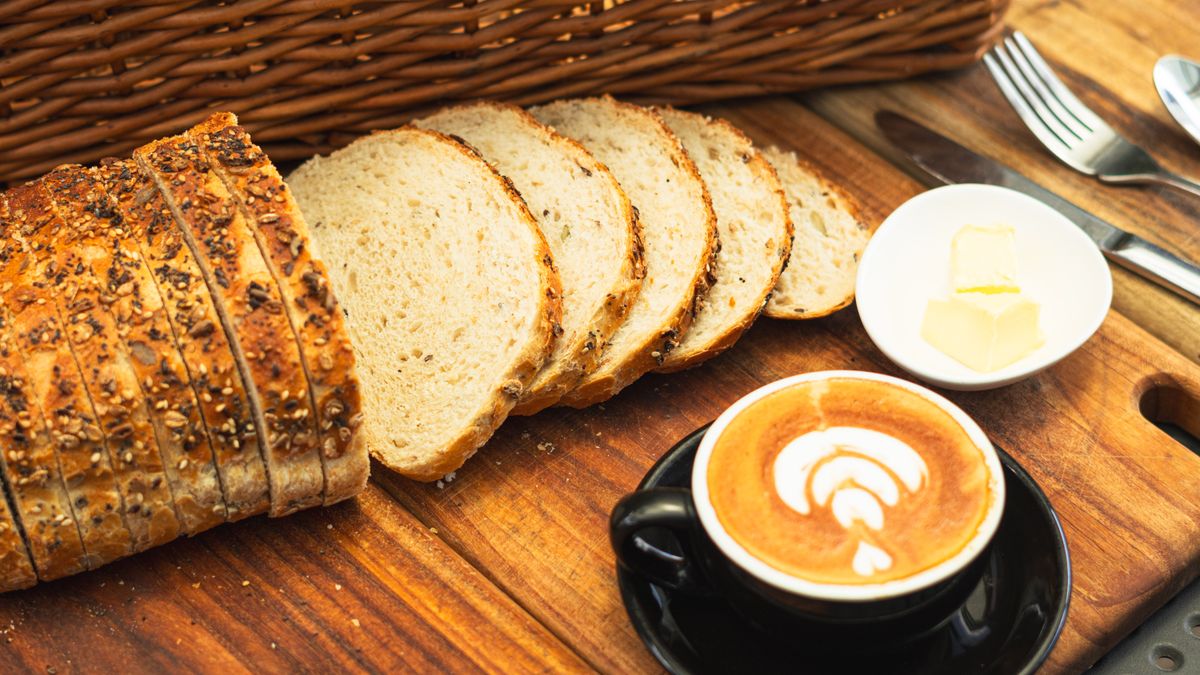
Cinnamon Sugar Toast Made With Just Four Ingredients
Sometimes the most memorable childhood breakfasts were also the easiest to prepare.
Cinnamon sugar toast required little more than bread, butter, cinnamon, and sugar. Yet those basic ingredients could turn an ordinary slice of toast into something worth looking forward to.
The preparation was straightforward. Spread butter on freshly toasted bread and sprinkle with cinnamon sugar. Some families finished the toast under a broiler, while others served it immediately.
The butter helped the sweet mixture settle into the warm bread, creating crisp edges and a soft, buttery center.
Cinnamon toast wasn’t a new invention during the 1950s or 1960s. A recipe appeared in The Cook Book of Left-Overs in 1920, demonstrating that families had enjoyed versions of this breakfast for decades.
One particularly charming memory comes from food writer Ann Fulton, who recalled her mother’s cinnamon sugar being kept in a Cinderella-and-Prince-Charming melamine bowl with a small spoon.
Those small details make childhood breakfasts unforgettable.
Perhaps your family kept a jar of cinnamon sugar beside the stove, or maybe someone always made an extra slice when you asked. Either way, this simple breakfast proves that memorable food doesn’t need an elaborate recipe.
Pancakes With Butter and Syrup
Few childhood breakfast memories are quite as recognizable as pancakes sizzling on a hot griddle.
There was the sound of batter hitting the pan, the little bubbles forming across each pancake, and the anticipation of seeing the finished stack land on a plate.
Add a little butter and syrup, and breakfast suddenly felt like a special occasion.
While some families mixed pancake batter entirely from scratch, others relied on convenient packaged mixes. One familiar example was Bisquick, which General Mills introduced in 1931.
By the 1960s, the brand was already helping home cooks prepare pancakes and other baked favorites.
A reproduced Bisquick advertisement from 1964 included a pancake recipe using the mix, milk, and an egg. The instructions even recommended using a rotary beater and flipping the pancakes when bubbles appeared.
That detail might sound familiar to anyone who remembers watching a parent or grandparent prepare breakfast with an old-fashioned kitchen tool.
Of course, not every household used the same pancake recipe. Some preferred thinner pancakes, while others enjoyed thick stacks with plenty of syrup.
What mattered most was often the experience surrounding the meal.
Whether pancakes were reserved for weekends or appeared regularly at the breakfast table, they remain a childhood favorite that can bring back a flood of memories.
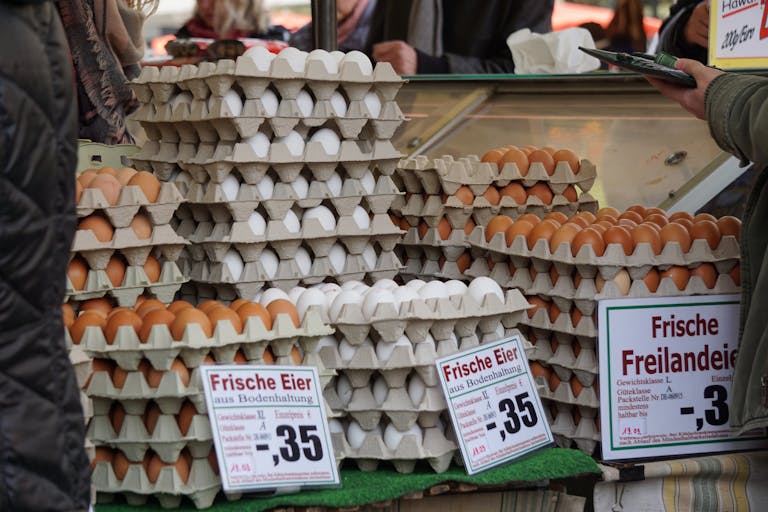
Bacon, Eggs, and Toast
For families who preferred something savory, bacon and eggs with toast offered a completely different breakfast experience.
Picture bacon sizzling in a skillet, eggs cooking nearby, and slices of bread waiting in the toaster.
It was a familiar combination in many American households, especially during the middle of the twentieth century.
A Taste of Home retrospective on 1950s foods identifies bacon, eggs, and toast as a recognizable breakfast of the period, including on weekdays.
However, bacon and eggs were popular even earlier.
During the 1920s, public relations pioneer Edward Bernays ran a campaign for Beech-Nut that promoted eating a heavier breakfast, reinforcing the association between bacon, eggs, and the American morning meal.
By the time many Boomers were growing up, the combination had already become part of the country’s breakfast culture.
Naturally, families had their own preferences.
Some liked their eggs scrambled, others preferred them fried, and there was always the question of whether bacon should be crispy or slightly chewy.
Toast often completed the plate, ready for butter or for scooping up the last bits of egg.
Not every household could afford or wanted this breakfast every day, but for those who remember it, the sounds and smells of the kitchen may be just as memorable as the food itself.
Cold Cereal With Milk
Not every Boomer childhood breakfast involved someone cooking at the stove.
Sometimes, breakfast was as simple as opening a colorful cardboard box, pouring cereal into a bowl, and adding milk.
Cold cereal was already a major part of American breakfast culture during the 1950s, when television advertising helped introduce popular brands to younger audiences.
According to Smithsonian Magazine, the growth of sweetened breakfast cereals during this period was closely connected to advertising aimed at children.
Cereal companies understood the power of memorable characters, catchy messages, and television programs.
Rice Krispies, for example, had its famous Snap, Crackle, and Pop characters, who were associated with The Howdy Doody Show from 1948 into the mid-1950s.
Interestingly, Smithsonian also documented a short-lived fourth Rice Krispies character named Pow, who appeared in television advertising during the 1950s.
For many children, the cereal box itself was part of the entertainment.
Bright illustrations, familiar mascots, and the excitement of choosing which cereal to pour made it all the more fun.
Some enjoyed the crackling sound of Rice Krispies meeting milk, while others preferred different textures and flavors.
This breakfast also reminds us that convenience foods were already common during Boomer childhood. Not every memorable family meal required an hour of cooking.
Warm Biscuits With Butter and Homemade Preserves
Few breakfast foods capture the feeling of an old-fashioned family kitchen quite like warm biscuits.
Fresh from the oven, biscuits could be split open and topped with butter, jam, or fruit preserves.
The combination was simple, but the preparation often reflected family traditions passed down over generations.
Some home cooks prepared biscuits by rolling out dough and cutting it into neat rounds. Others preferred drop biscuits, placing spoonfuls of dough directly onto a baking sheet.
A reproduced 1964 Bisquick advertisement featured both approaches, showing that different methods were already familiar during the Boomer years.
For some families, homemade biscuits were an everyday breakfast choice. For others, they were reserved for weekends or visits to relatives.
A historical account published by Minnesota’s Timberjay described mining families in Soudan enjoying breakfasts that could include hot cereal and homemade baking-powder biscuits served with butter and jam.
Biscuit-making also carries a strong connection to family memories, particularly in communities where recipes were handed down through generations.
Sometimes the instructions weren’t written down at all. A grandmother might know exactly how much flour or liquid to use simply by looking at the dough.
For anyone who grew up watching biscuits being prepared in a family kitchen, the smell of fresh baking might still bring back memories decades later.
Breakfast Has Changed, but the Memories Haven’t
Breakfast options continued expanding throughout the Baby Boomer years. Eggo frozen waffles appeared in stores in 1953, Pop-Tarts arrived in 1964, and McDonald’s expanded the Egg McMuffin nationwide in 1975.
These products introduced new ways to prepare or purchase breakfast, although traditional homemade meals continued to have a place at family tables.
Today, grabbing breakfast on the way to work or school may seem perfectly ordinary. But for many people, the meals they remember most are the ones connected to childhood routines and familiar faces.
Perhaps it was Grandma’s biscuits, Dad’s weekend pancakes, or a bowl of cereal enjoyed while watching morning television.
The ingredients may have been simple, but the memories surrounding them often lasted a lifetime.