9 Things Grandma Always Kept in Her Kitchen That Young Cooks Have Never Heard Of
Grandma’s kitchen was a place of wonder. There were tins on the counter, jars in the pantry, and strange little tools in the drawers that she used without a second thought. She could whip up a meal from almost nothing, thanks to a collection of ingredients and supplies that many younger cooks would not even recognize.
Many of these kitchen staples came from a time when nothing went to waste and shopping trips were less frequent. Grandmothers who lived through the Great Depression and World War II learned to keep their kitchens stocked with items that could stretch a meal or save a recipe. Those habits stuck with them for life.
Today, many of these items have faded from modern kitchens. Some are still sold, but young cooks may have never used them or even heard of them. Here are nine things Grandma always kept in her kitchen that many young cooks have never heard of.
1. A Bacon Grease Jar
Almost every grandmother kept a jar or coffee can of bacon grease next to the stove. Every time she cooked bacon, she poured the leftover fat through a strainer into the jar. That grease was then used to fry eggs, season vegetables, and grease cornbread pans.
Many young cooks pour bacon grease down the drain or throw it away. Grandma would have been horrified. That jar of grease added flavor to countless meals, and it saved money in an era when nothing was wasted.
2. Lard
Before vegetable oil and shortening became the norm, lard was the fat of choice in many American kitchens. Grandma used it for frying chicken, making flaky pie crusts, and baking biscuits. A tub of lard was a pantry essential.
Lard fell out of favor in the second half of the twentieth century because of health concerns. Today, many young cooks have never bought it. However, some bakers are rediscovering lard because it makes incredibly flaky pie crusts, just like Grandma’s.
3. Evaporated Milk
Cans of evaporated milk were a staple in Grandma’s pantry. This shelf-stable milk had about half its water removed, giving it a rich, creamy texture. It was used in pumpkin pie, fudge, mashed potatoes, and coffee.
Evaporated milk was especially valuable in homes without reliable refrigeration. It could last for months in the pantry. While it is still sold today, many young cooks only buy it once a year for Thanksgiving pumpkin pie, if at all.
4. Oleo
Many grandmothers called margarine “oleo,” short for oleomargarine. During World War II and in the years that followed, margarine became popular because butter was rationed and expensive. In some states, margarine was sold as a white block with a packet of yellow coloring that families mixed in by hand.
Young cooks may have never heard the word oleo, though their grandparents used it all the time. The coloring packets are a forgotten piece of kitchen history. Today, many people have switched back to butter.
5. A Sifter
A flour sifter was an essential tool in Grandma’s kitchen. She used it to remove lumps from flour and to aerate it for lighter cakes and biscuits. Many sifters had a hand crank that made a distinctive clicking sound.
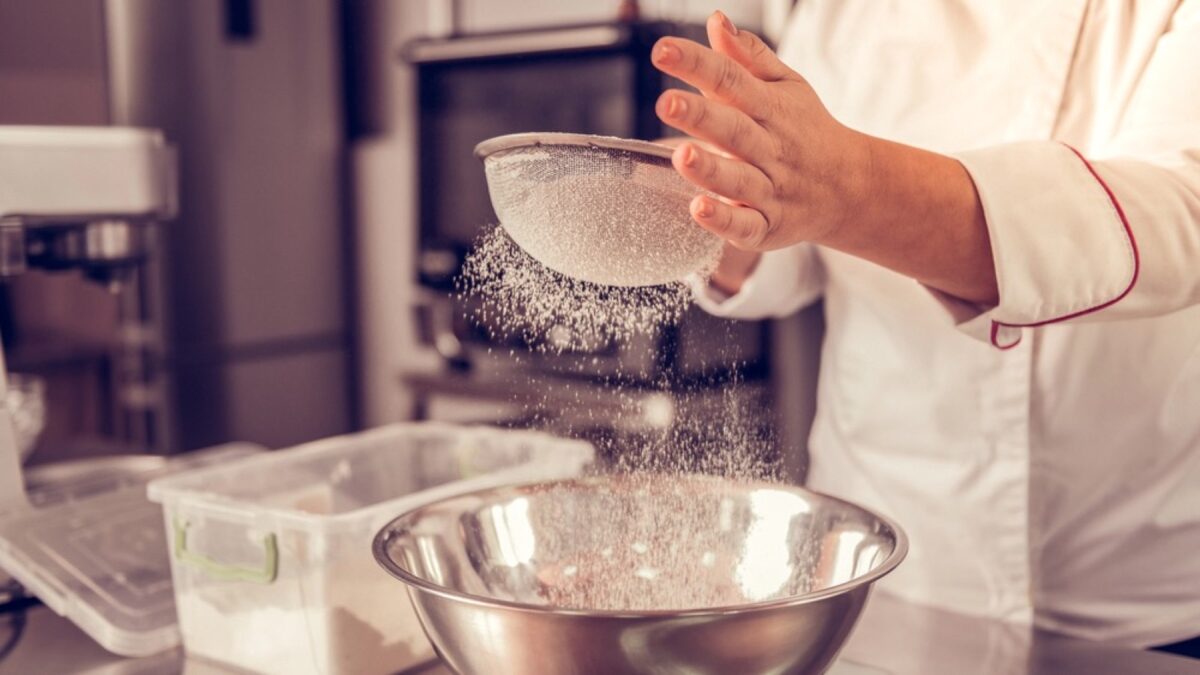
Modern flour is processed more finely, so many recipes no longer call for sifting. Many young cooks have never owned a sifter. But for Grandma, sifting flour was an important step in making perfect baked goods.
6. Cream of Tartar
Cream of tartar was a mysterious white powder in Grandma’s spice cabinet. She used it to stabilize egg whites for meringues and angel food cakes. It was also an ingredient in snickerdoodle cookies.
Many young cooks have no idea what cream of tartar is or what to do with it. It is a byproduct of winemaking, and it has been used in baking for generations. Grandma knew exactly when to reach for it.
7. Bread Crumbs From Stale Bread
Grandma never bought bread crumbs. Instead, she saved stale bread, dried it out, and crushed it into crumbs. She used them for breading chicken, topping casseroles, and stretching meatloaf.
Many young cooks buy bread crumbs in a canister or throw away stale bread. Grandma’s homemade crumbs were not only free but often tasted better. It was another way she made sure nothing went to waste.
8. A Pressure Canner and Mason Jars
Many grandmothers spent summer and fall canning fruits and vegetables from their gardens. Rows of Mason jars filled with tomatoes, green beans, peaches, and jams lined the pantry shelves. A pressure canner was an important tool for safely preserving low-acid foods.
Home canning has become less common as grocery stores offer fresh produce year-round. Many young cooks have never canned anything. However, the hobby has been gaining popularity again among people who want to preserve their own food.
9. Gelatin and Molds
Grandma’s cabinets often held boxes of gelatin and a collection of decorative molds. She used them to make colorful Jell-O salads, aspics, and desserts for family gatherings. Some molds were shaped like rings, fish, or flowers.
Gelatin salads were a big part of mid-century cooking, but they have fallen out of fashion. Many young cooks have never made a molded salad. Grandma, on the other hand, could create a masterpiece with a box of Jell-O and a can of fruit cocktail.
Why Grandma’s Pantry Worked So Well
Grandma’s kitchen was built around flexibility. With flour, lard, evaporated milk, and a few spices, she could make biscuits, pie crust, gravy, or a cake without a special trip to the store. Her pantry was designed to handle whatever the week brought, whether that was unexpected guests or a tight budget.
Some of her habits came from rules and shortages of her time. Margarine, for example, was once sold white in many states, and families had to mix in yellow coloring themselves, a strange chapter of food history the Smithsonian has written about. Rationing during World War II also taught women to make the most of every ingredient.
Many young cooks are rediscovering these skills today. They are saving bacon grease, learning to can vegetables, and baking with lard for flakier crusts. Grandma had a gift for finding a second use for almost everything, and many of her methods sound a lot like today’s most popular kitchen tricks.
The Wisdom of Grandma’s Kitchen
Grandma’s kitchen staples reflected a lifetime of experience, frugality, and creativity. She knew how to make the most of what she had, and she rarely wasted anything. Many of her habits are worth bringing back today.
Take a page from Grandma’s book and stock your pantry with a few of her staples. You may be surprised by how often you reach for them.