8 Grocery Items Boomers Remember Buying for Under a Dollar
There was a time when a single dollar bill could fill a paper sack. A child sent to the corner store with a dollar came home with bread, milk, and change in their pocket. Mothers fed a family of six on a weekly grocery budget that would barely cover a pizza today.
Boomers remember those prices clearly. They remember the hand-lettered signs in the butcher’s window and the cashier punching numbers into a heavy register. Most of all, they remember how far the money went.
Wages were much lower then, so the comparison is not perfectly fair. Even so, the numbers are startling. These eight grocery items once cost less than a dollar, and seeing the old prices is enough to make anyone sigh.

1. A Gallon of Milk
In the early 1960s, a gallon of milk cost roughly 50 cents in most of the country, and often about a dollar by the end of the decade. Many families did not even buy it at the store. The milkman left glass bottles on the doorstep and collected the empties.
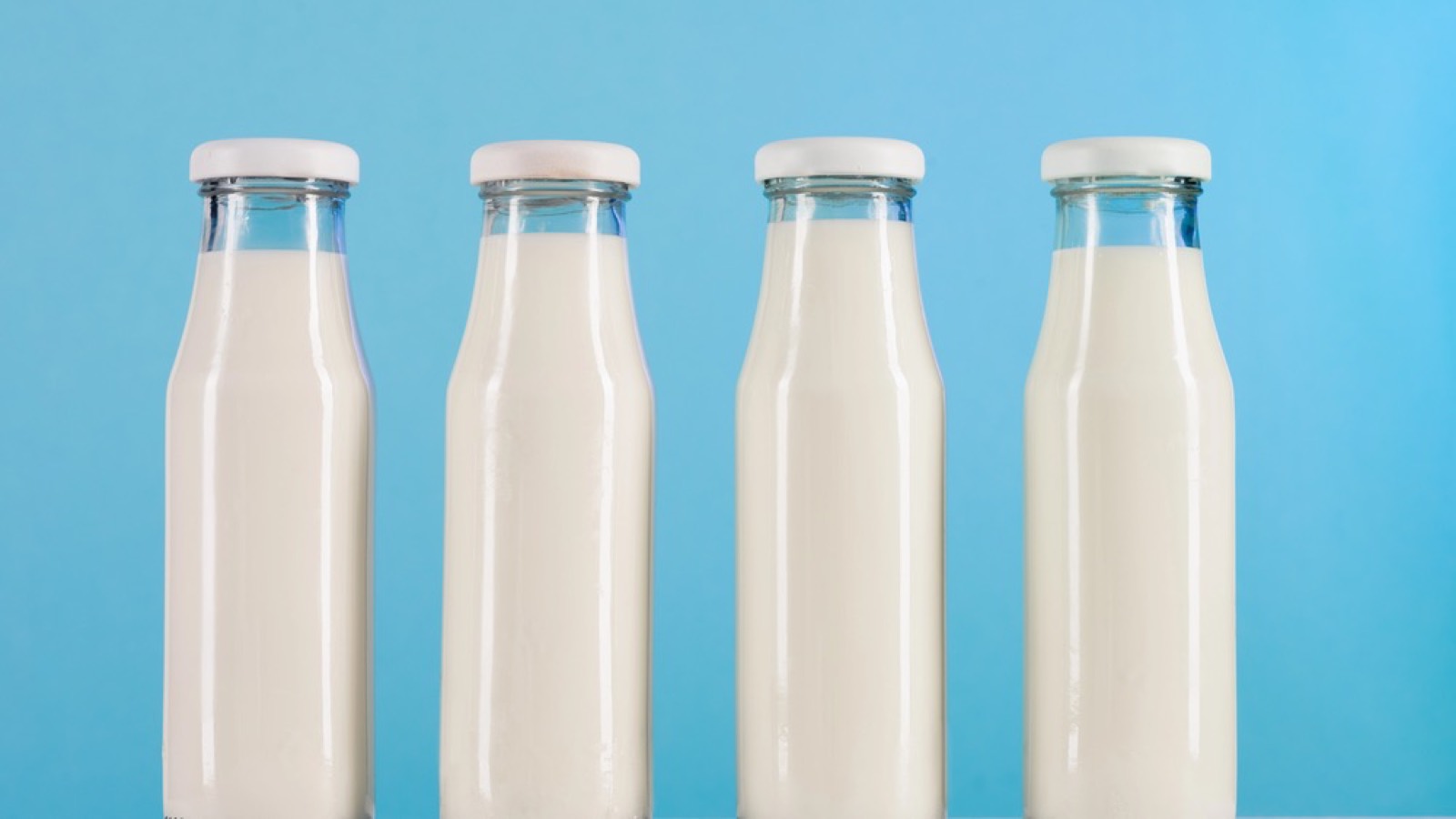
Milk was served with every meal, and a large family could go through a gallon a day. Today the same gallon costs several times as much. Home delivery, once ordinary, has become a rare luxury, as Food Dive has noted.
2. A Loaf of Bread
A loaf of white sandwich bread sold for about 20 to 25 cents through much of the 1960s. It came wrapped in waxed paper or a printed plastic bag, and it was soft enough to squeeze flat. Children were sent to the store for a loaf with a single quarter.
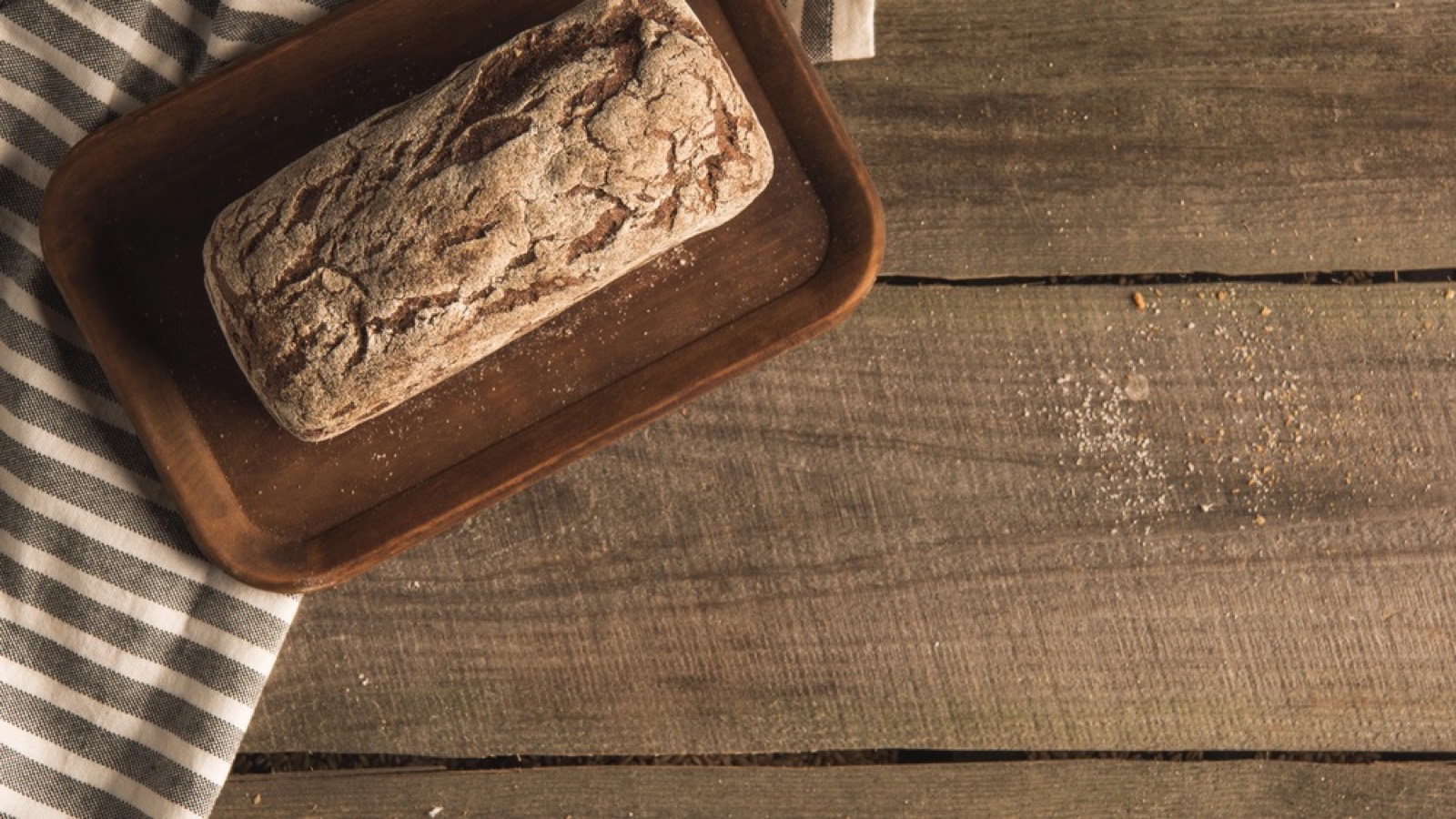
Bread was on the table at every meal. A family might use a loaf a day between toast, lunchbox sandwiches, and supper. Today a basic loaf costs several dollars, and specialty breads cost far more.
3. A Dozen Eggs
Eggs cost around 50 to 60 cents a dozen in the 1960s. Many families bought them straight from a nearby farm for even less. They were the cheapest protein in the kitchen.
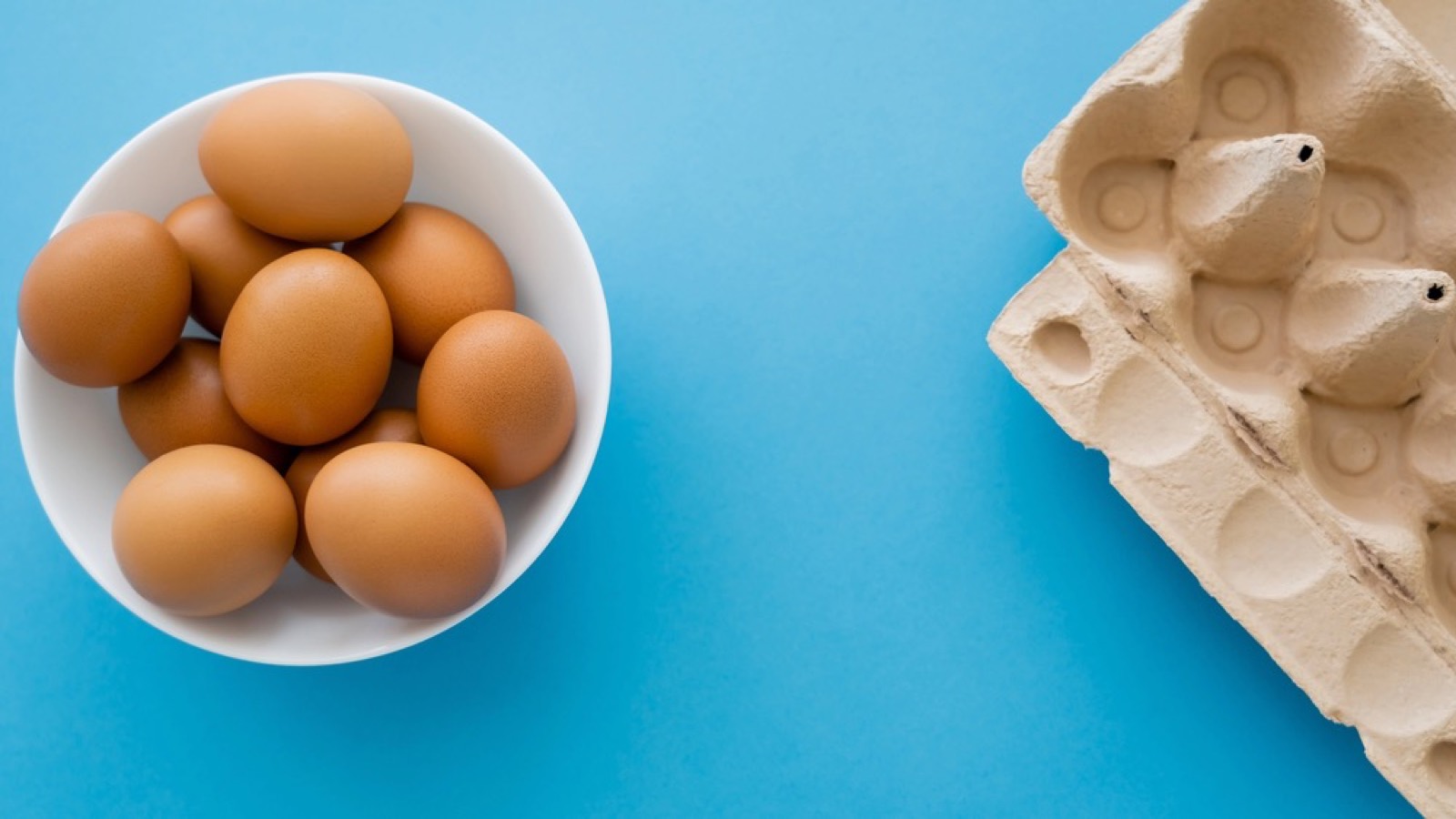
Eggs were breakfast nearly every morning, and they went into every cake and casserole. In recent years, egg prices have swung wildly and at times climbed past anything boomers could have imagined. Few foods show the change in grocery costs so clearly.
4. A Pound of Ground Beef
Hamburger meat sold for around 40 to 50 cents a pound in the early 1960s. It was the backbone of the family menu, turning up as meatloaf, burgers, chili, and casseroles. A pound could feed the whole table with the help of bread crumbs and a can of soup.
The butcher ground it fresh and wrapped it in white paper. Today, ground beef costs many times that amount, and families think twice before buying it. It is one of several grocery prices that surprise Americans now.
5. A Pound of Coffee
A one-pound can of coffee cost around 60 to 90 cents in the 1960s. It came in a metal can with a key that peeled back a strip around the top. The smell that rushed out when it was opened is something nobody forgets.
Every home had a percolator on the stove, and adults drank coffee morning, noon, and night. A pound lasted a week or two. Today’s cans are smaller than a pound and cost several times as much.
6. A Five-Pound Bag of Sugar
Sugar sold for about 10 to 12 cents a pound, so a five-pound bag came in well under a dollar. It was a true staple, used for baking, canning, and sweetening the daily pitcher of iced tea or Kool-Aid. A big family went through a bag quickly.
Women baked far more from scratch then, and sugar was bought in ten- and twenty-five-pound sacks before canning season. Today many bags have shrunk to four pounds while the price has gone up. Shoppers who remember the five-pound bag notice the difference.
7. A Pound of Butter
Butter cost around 75 cents a pound for much of the 1960s. That made it one of the more expensive items on the list, which is why many families bought margarine instead. Margarine could be had for about a quarter.
Butter was saved for baking and for company in thrifty homes. Children grew up thinking margarine was normal and butter was a treat. Today butter often costs four or five dollars a pound or more.
8. A Can of Soup
A can of condensed soup cost only about 10 to 15 cents. Shoppers could buy seven or eight cans for a dollar when it was on sale. It was lunch for the children and the secret ingredient in half of Mom’s casseroles.
Cream of mushroom, tomato, and chicken noodle were always in the pantry. Soup was so cheap that nobody thought twice about stocking up. Today the same can often costs well over a dollar, and sometimes more than two.
Were Things Really Cheaper?
The prices sound unbelievable, but they need some context. The federal minimum wage was just $1.25 an hour in the mid-1960s, and many families lived on one modest paycheck. A dollar was much harder to earn than it is today.
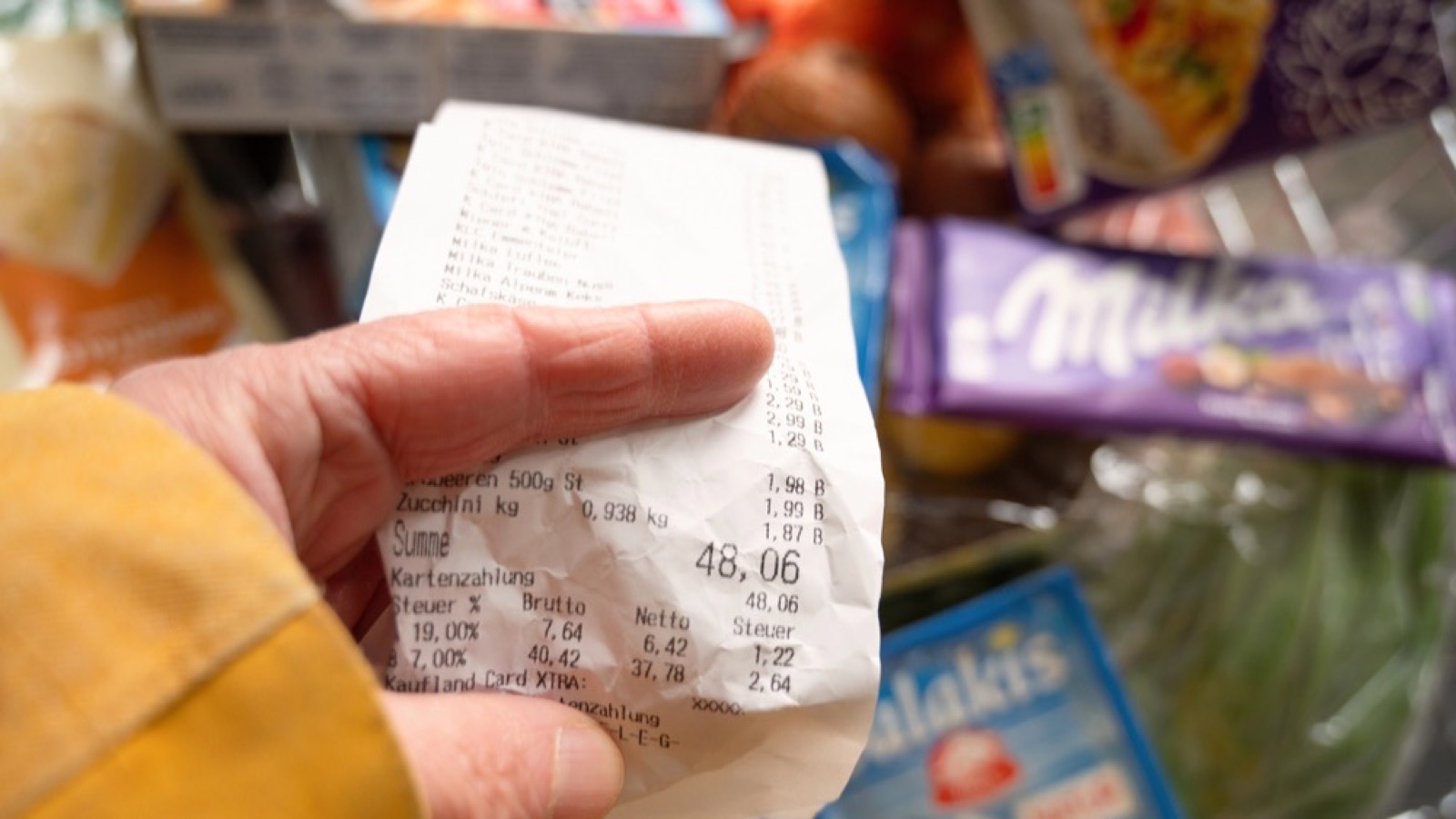
When prices are adjusted for inflation, some foods were not the bargain they appear to be. You can check any figure yourself with the inflation calculator from the Bureau of Labor Statistics. A dollar in 1965 had the buying power of roughly ten dollars today.
Even so, many shoppers feel that groceries take a bigger bite now than in the recent past. Food prices rose sharply in the early 2020s, and the USDA Economic Research Service continues to track and forecast them. Older Americans on fixed incomes feel every increase.
How Families Made It Work
Low prices did not mean easy living. Mothers planned menus around the weekly newspaper ads and clipped coupons with care. They bought in season, canned what they could, and wasted nothing.
Meat was stretched with potatoes, noodles, and bread. Leftovers appeared in a new form the next night. These were the ways Grandma made every dollar do double duty.
Shopping itself was different. Many families bought from a neighborhood grocer who knew them by name and sometimes let them run a tab until payday. Trading stamps were pasted into books and saved for a toaster or a set of dishes.
What We Can Still Learn
The old habits are useful again. Planning meals, cooking from scratch, and using leftovers can take a real bite out of today’s grocery bill. Plenty of frugal living tips that seem new are simply what our parents did every week.
Store brands, sales flyers, and a well-stocked pantry still work. So does buying whole foods instead of prepared ones. A sack of potatoes and a bag of dried beans remain among the best bargains in the store.
For boomers, these old prices are more than numbers. They bring back a mother’s handwritten grocery list, a cart with a squeaky wheel, and the pride of being trusted with a dollar. What is the lowest price you remember paying for a loaf of bread or a gallon of milk?