Barron Trump Linked SOLLOS Energy Drink Sparks $39 Price Debate and Culture War Over Premium Beverage Branding in the United States
A celebrity backed energy drink launch that quickly turned into a national conversation about price, privilege, and politics
What was meant to be a clean, youth focused beverage launch has turned into a heated online debate over money, branding, and privilege.
A new energy drink brand called SOLLOS, linked to Barron Trump, is facing widespread criticism after its $39 12 pack price tag went viral, with many consumers questioning whether the product reflects modern wellness trends or is driven by celebrity driven pricing. What started as a product drop quickly became something larger. For many Americans, it has become a conversation about how far premium branding can go at a time when everyday costs continue to rise.
SOLLOS energy drink enters the premium wellness beverage market
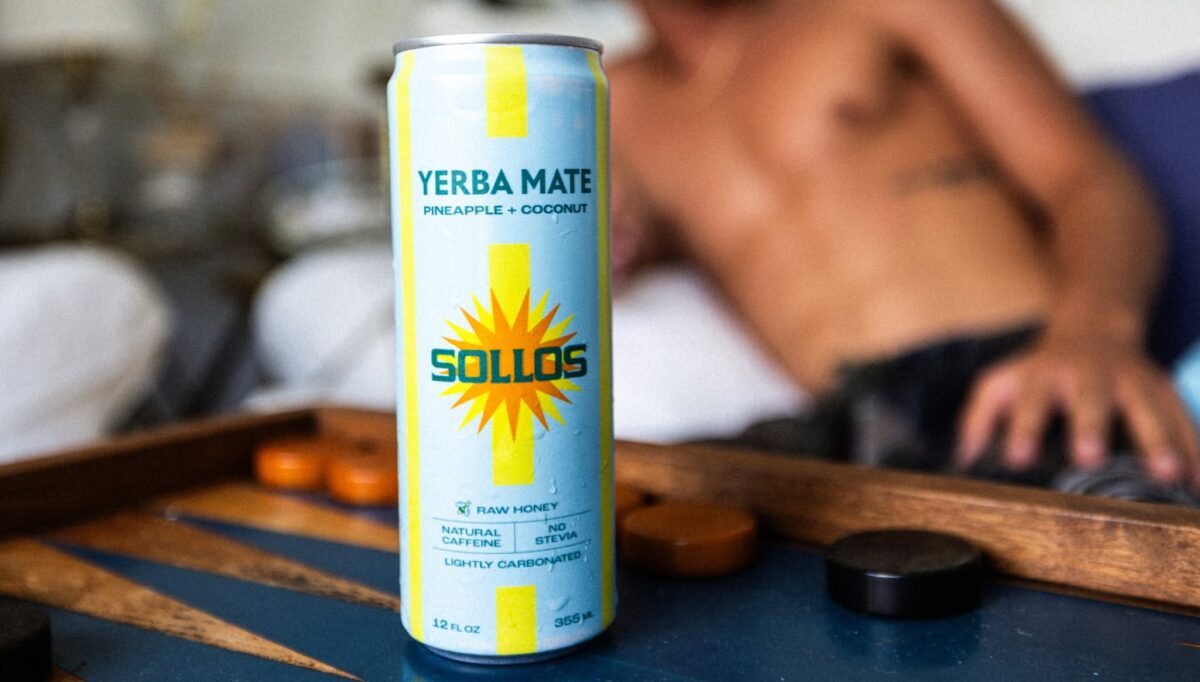
The product at the center of attention is SOLLOS, a South Florida inspired energy drink brand built around a Pineapple + Coconut flavor profile and marketed as a clean, plant based alternative to traditional energy drinks.
The beverage is made with Brazilian yerba mate, natural caffeine, and a low calorie formula designed to appeal to younger consumers who increasingly prioritize functional ingredients over traditional sugary sodas. At 120 mg of caffeine per can, SOLLOS sits within the standard range for energy beverages, competing directly with established brands in both performance and lifestyle categories. However, the price point has become the defining feature of the launch.
$39 price tag triggered widespread backlash online
We are observing a strong consumer reaction centered on affordability and perceived value. Mainstream energy drinks typically sell for significantly less in multi pack formats, often ranging from $10 to $25, depending on the brand and retailer. Against that backdrop, SOLLOS enters at a premium tier that some consumers view as excessive.
Critics online have framed the pricing as disconnected from everyday household budgets, especially at a time when U.S. consumers continue to face rising grocery costs, rent increases, and inflation pressures. Supporters of premium beverage brands argue that higher prices are not unusual in the functional drink sector, where kombucha, wellness beverages, and organic energy drinks often command higher retail value due to ingredients, branding, and positioning. Still, the reaction shows how quickly pricing becomes symbolic when tied to a high-profile family name.
Barron Trump’s connection turns a beverage launch into a political conversation.
The involvement of Barron Trump has significantly amplified attention around SOLLOS, transforming a startup product into a politically charged cultural topic. Because of his connection to the Trump family, the brand is automatically situated within broader political narratives surrounding the Trump name, making it difficult to evaluate the product purely as a commercial beverage.
We are seeing how celebrity association instantly changes product perception, especially when linked to a politically active family such as the Trump family. Even product decisions such as flavor selection, branding style, and pricing are now interpreted through a political lens rather than a purely commercial one.
Cultural branding, yerba mate, and unexpected controversy
SOLLOS uses yerba mate, a traditional South American herbal tea known for its natural caffeine content and cultural significance in countries like Argentina, Uruguay, and Brazil. While the ingredient is widely used in modern wellness beverages, its inclusion has sparked further online commentary, with some critics raising questions about cultural branding and authenticity.
Others have drawn comparisons between global ingredient sourcing and modern marketing strategies, noting that beverage companies frequently adopt international flavors to appeal to health conscious consumers. This has added another layer of debate beyond pricing alone, blending food culture, branding ethics, and political association into a single conversation.
A lifestyle brand strategy built around identity, not just energy
We are seeing that SOLLOS is positioning itself less as a traditional beverage company and more as a lifestyle brand. The marketing emphasizes South Florida outdoor culture, beach and sunshine aesthetics, youth driven entrepreneurial identity, clean energy, and active lifestyle messaging
The brand also expands beyond beverages, offering merchandise such as clothing, caps, and accessories. This approach mirrors modern direct to consumer branding strategies, in which identity and lifestyle are as important as the product itself. By expanding into apparel and accessories, SOLLOS is seeking to build brand loyalty that extends beyond repeat beverage purchases.
Merchandise strategy signals long-term branding ambitions.
The addition of apparel items such as hoodies, tote bags, and casual wear suggests that SOLLOS is not only selling a drink but building a recognizable identity ecosystem.
We are seeing a familiar pattern in modern consumer startups: Beverage becomes entry point, Lifestyle branding builds emotional connection, merchandise reinforces community identity, pricing reflects perceived exclusivity. This model has been used successfully by other premium beverage and wellness brands that rely on lifestyle appeal rather than mass market pricing.
Consumer reaction highlights widening gap in pricing expectations.
The strongest reaction to SOLLOS has centered on perceived affordability gaps between premium lifestyle beverages and everyday consumer expectations. For many households, especially in a cost sensitive economic environment, a $39 price point for a 12-pack is viewed as luxury-tier spending rather than routine consumption.
At the same time, the premium beverage market continues to expand, driven by younger consumers who are increasingly drawn to functional ingredients, aesthetic branding, and identity driven purchasing decisions. This tension between affordability and aspiration is now a defining feature of the modern beverage industry.
Market reality
We are seeing continued growth in the functional drink sector, where products like energy teas, adaptogenic beverages, and organic caffeine drinks command higher price points than traditional sodas.
Key drivers include; Health conscious consumption trends. Demand for plant based ingredients, a shift away from artificial energy drinks, and the strong influence of social media branding. SOLLOS enters this competitive environment with a high visibility advantage from its name recognition, but also faces heightened scrutiny over its pricing and political associations.
SOLLOS controversy reflects a bigger shift in consumer culture
We are seeing a broader cultural shift where product launches tied to public figures are no longer evaluated purely on taste, quality, or function.
Instead, they are immediately interpreted through Political identity, economic conditions, cultural symbolism, and Celebrity influence. In this environment, a beverage can become a cultural statement as much as a consumer product.
SOLLOS in a competitive beverage market
The long term success of SOLLOS will depend on whether early curiosity converts into repeat purchases. Initial attention driven by controversy and celebrity association does not guarantee sustained consumer demand. Future performance will likely depend on:
Taste acceptance among first buyers, Willingness of consumers to pay premium pricing, Expansion into retail distribution channels, and Ability to separate product identity from political discourse.
Why this launch matters beyond the beverage industry
We are watching a case study in how modern branding works in a hyper connected media environment. A single product launch has quickly evolved into a broader discussion about pricing psychology, political branding, cultural interpretation, and the economics of lifestyle consumer goods.
The SOLLOS energy drink is now part of a wider conversation about how identity, influence, and market positioning intersect in today’s consumer economy.