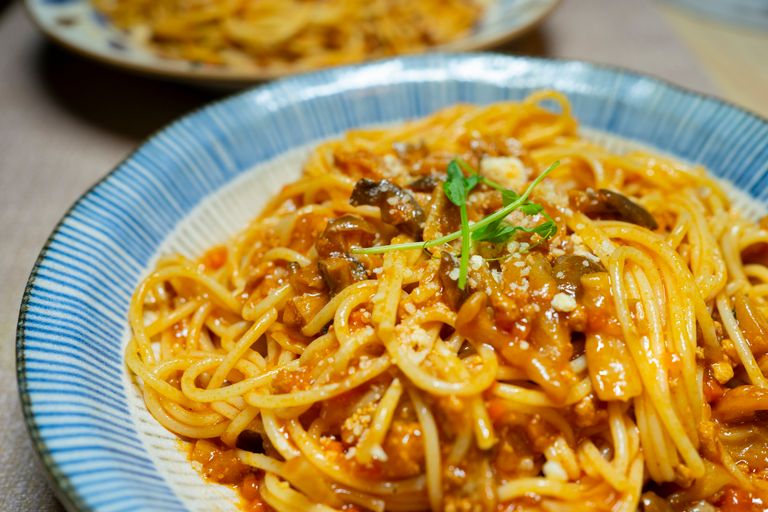
7 Popular Foods That Were Once Considered Food for the Poor
Walk into a nice restaurant today and look at the most expensive items on the menu. Lobster, oysters, brisket, and short ribs will probably be among them. Diners order them for birthdays and anniversaries and gladly pay the price.
Their great-grandparents would have been astonished. Not so long ago, many of these foods were cheap, plentiful, and looked down upon. They were what families ate when they could not afford anything better.
Over time, scarcity, clever cooking, and changing fashion turned them into luxuries. These seven popular foods were once considered food for the poor, and their stories say a lot about how taste and status change.
1. Lobster
In colonial New England, lobsters were so abundant that they washed up on beaches in piles. They were used as fertilizer and fish bait, and they were a cheap source of protein for servants, laborers, and coastal families. Eating lobster was a sign that a household had little else.
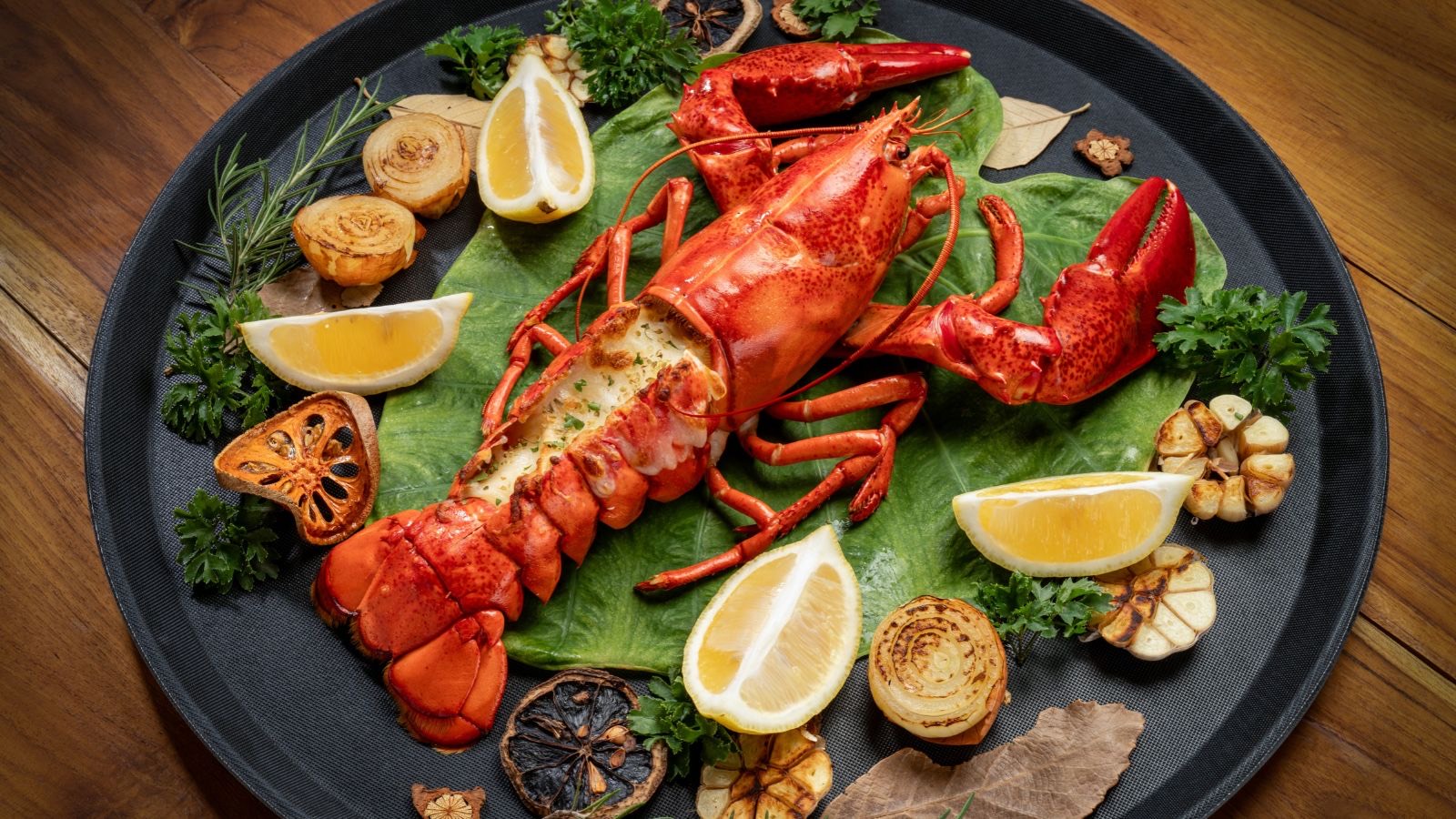
Things changed in the 1800s. Canning and railroads carried lobster inland, where diners who had never seen one considered it exotic. As supplies shrank and demand grew, prices climbed, and by the 20th century lobster had become a symbol of fine dining, as Tasting Table has described.
2. Oysters
In the 19th century, oysters were the street food of American cities. New York Harbor held vast oyster beds, and vendors sold them from carts and cellars for pennies. Working people ate them by the dozen, the way people eat hot dogs today.
Overharvesting and pollution destroyed many of those beds by the early 1900s. As oysters became scarce, they also became expensive. Today a dozen on the half shell can cost more than an entire meal did for the laborers who once lived on them.
3. Beef Brisket
Brisket comes from the chest of the cow, and it is full of tough connective tissue. For generations it was among the cheapest cuts at the butcher shop. Jewish immigrants from Eastern Europe braised it for holidays, and Texas ranch hands and butchers smoked it because no one else wanted it.
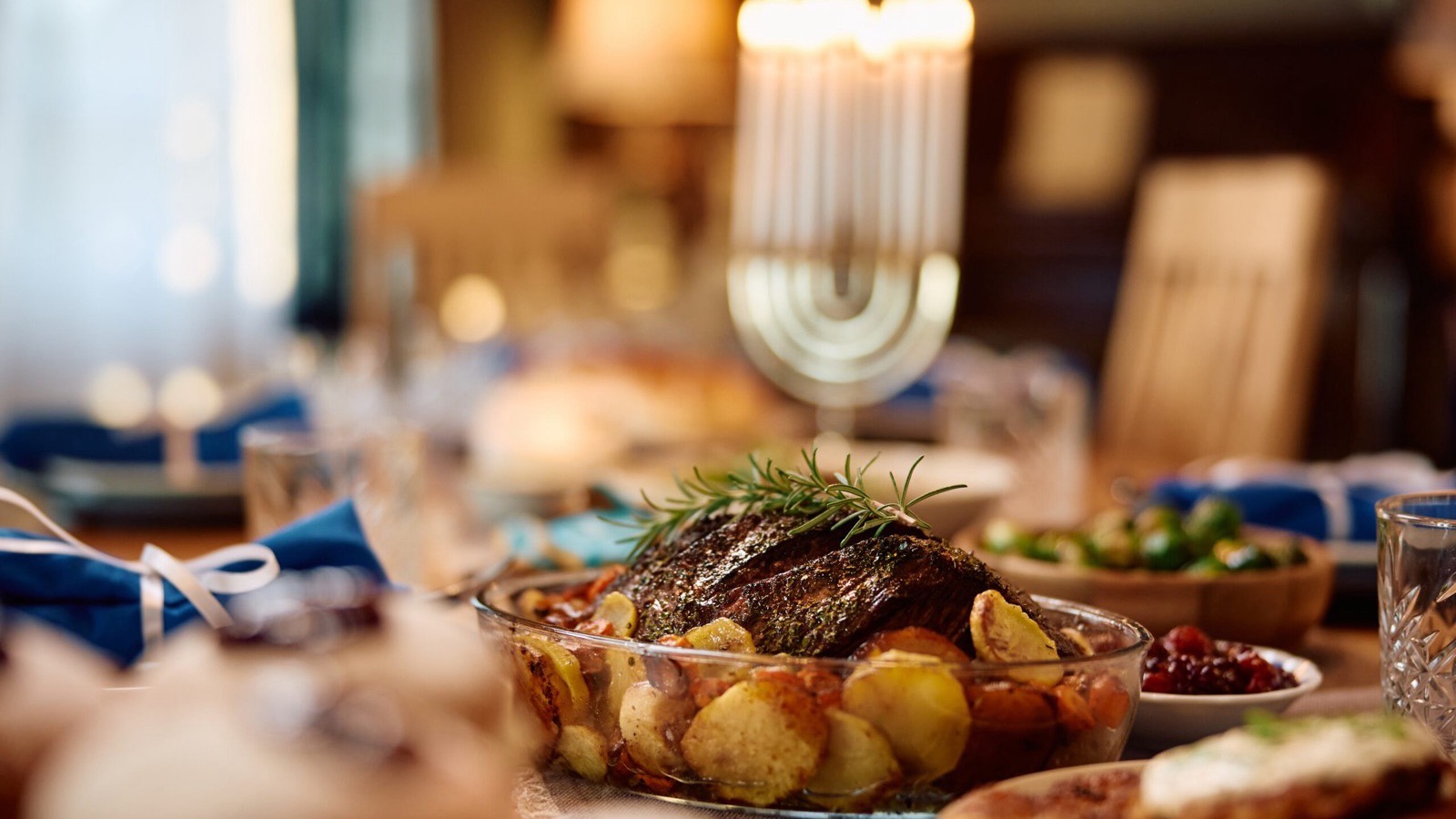
Hours of slow cooking turn that tough meat tender and rich. As Texas barbecue grew famous, demand for brisket soared. It is now a prized cut, and pitmasters pay premium prices for it.
4. Oxtail
Oxtail was once close to a throwaway part. Butchers sold it for almost nothing, and it was cooked by families who had to make use of every piece of the animal. It became central to Southern soul food, Caribbean cooking, and many other traditions.
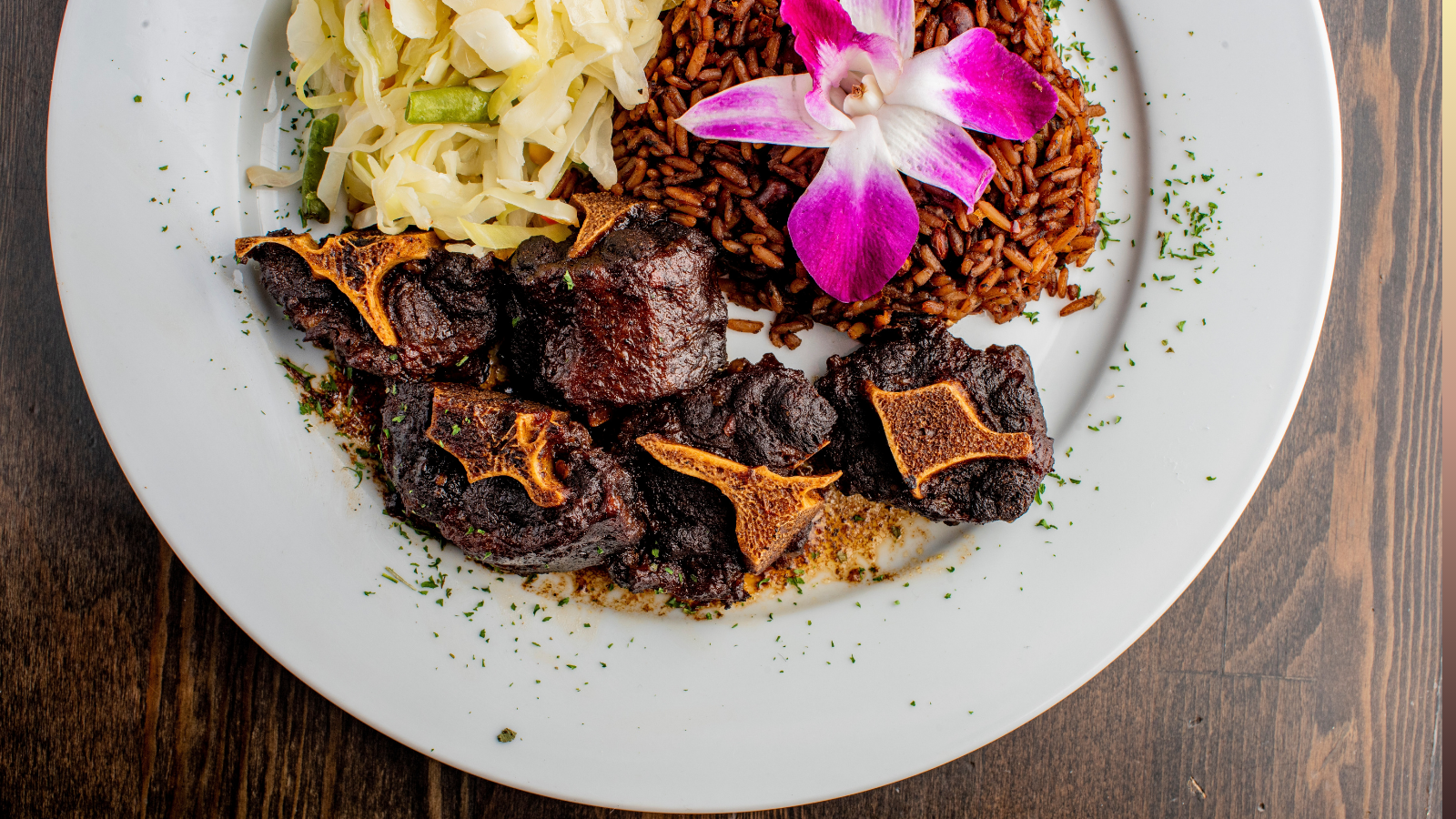
Simmered for hours, oxtail makes a deep, silky stew. Chefs and home cooks eventually discovered what those families had always known. Prices have risen so much that many people who grew up eating oxtail now find it hard to afford.
5. Shrimp and Grits
Grits are simply ground dried corn boiled into porridge. For centuries they were a basic, filling food for poor families across the South. Fishermen along the coasts of South Carolina and Georgia ate them for breakfast with small shrimp fresh from the creeks.
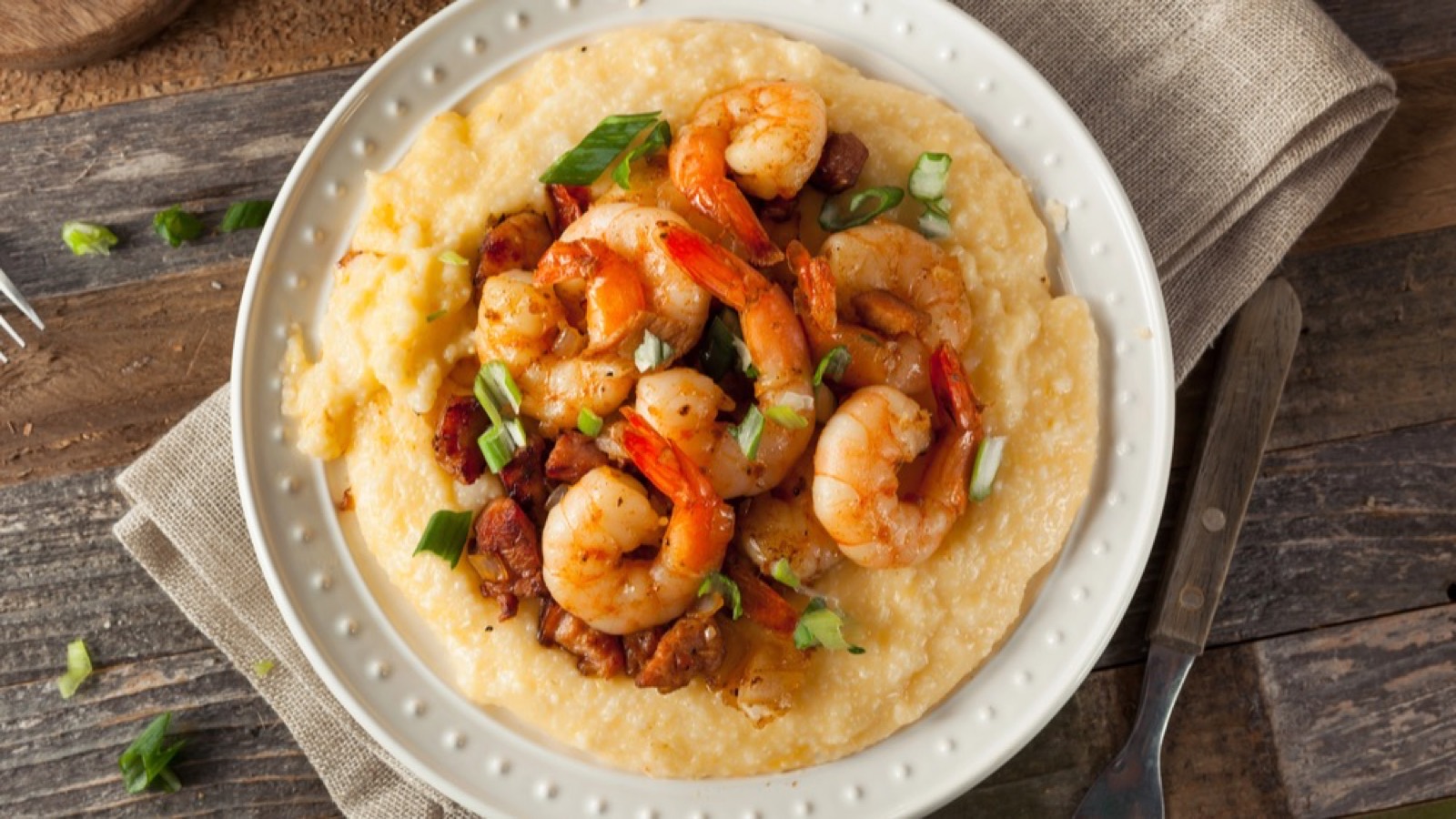
The dish stayed local until restaurant chefs began serving refined versions in the 1980s. It then spread to menus across the country. Today it ranks among the classic Southern dishes with deep roots, and it often carries a fine-dining price.
6. Skirt Steak and Fajitas
Skirt steak is a thin, chewy cut from the underside of the cow. On Texas ranches in the early 20th century, it was often given to Mexican ranch workers as part of their pay, along with other less desirable parts. They grilled it over open fires and wrapped it in tortillas.
That simple meal became the fajita. When restaurants began serving it on sizzling platters in the 1970s and 1980s, the dish exploded in popularity. The price of skirt steak rose sharply, and it is no longer the bargain cut it once was.
7. Short Ribs
Short ribs were another cut that butchers struggled to sell. They are fatty, bony, and tough unless cooked for a long time. Frugal families braised them in a heavy pot on the back of the stove for Sunday dinner.
In recent decades, braised short ribs have become a favorite on upscale menus. Chefs love their rich flavor and tender texture. A cut that Grandma bought because it was cheap now costs more per pound than many steaks.
How Poor Food Becomes Rich Food
The pattern is nearly always the same. A food is cheap because it is plentiful or because it takes time and skill to make it taste good. Poor families, who have more time than money, develop wonderful ways to cook it.
Then the wider world notices. A chef puts it on a menu, a magazine writes about it, and suddenly everyone wants it. Demand rises, supply cannot keep up, and the price follows.
Scarcity also plays a part. Lobsters and oysters were cheap when they seemed endless. Once they had been overfished, their rarity alone made them valuable.
The Skill of Humble Cooks
It is worth remembering who created these dishes. Enslaved cooks, immigrants, ranch hands, and farm wives turned unwanted scraps into meals people still crave. Their knowledge was passed down through generations.
Traditions like those of the Gullah Geechee people of the Southeastern coast, whose culture is recognized by the National Park Service, shaped much of what is now celebrated as Southern cuisine. For a long time, that contribution went without credit. Today it is more widely understood.
The same story is still unfolding. Chicken wings, pork belly, and bone broth have all made the journey from bargain bin to trendy menu. Many poor people foods are now eaten proudly by the wealthy.
The Downside of Becoming Fashionable
There is a bittersweet side to this. When a humble food becomes popular, the families who depended on it are often priced out. Oxtail and brisket are clear examples.
Older shoppers remember buying these cuts for pocket change. Now they stand at the meat counter shaking their heads. It is one of many reasons boomers say they cannot believe what groceries cost today.
Some cooks have responded by looking for the next overlooked ingredient. Beans, cabbage, chicken thighs, and canned fish are still affordable and can be delicious in the right hands. Harvard Nutrition Source notes that beans and other legumes are rich in protein and fiber, which makes them a bargain for health as well.
What Grandma Knew
Our grandmothers did not need a trend to tell them these foods were good. They cooked oxtail, short ribs, and grits because that was what the budget allowed. They made those meals with care, and their families remembered them for life.
The next time you see a $40 plate of short ribs, think of the women who simmered them on a wood stove. Their thrift became today’s luxury. Which of these foods did your family eat when it was still cheap?