10 Things Every Diner Served in the 1960s That You Rarely See on Menus Today
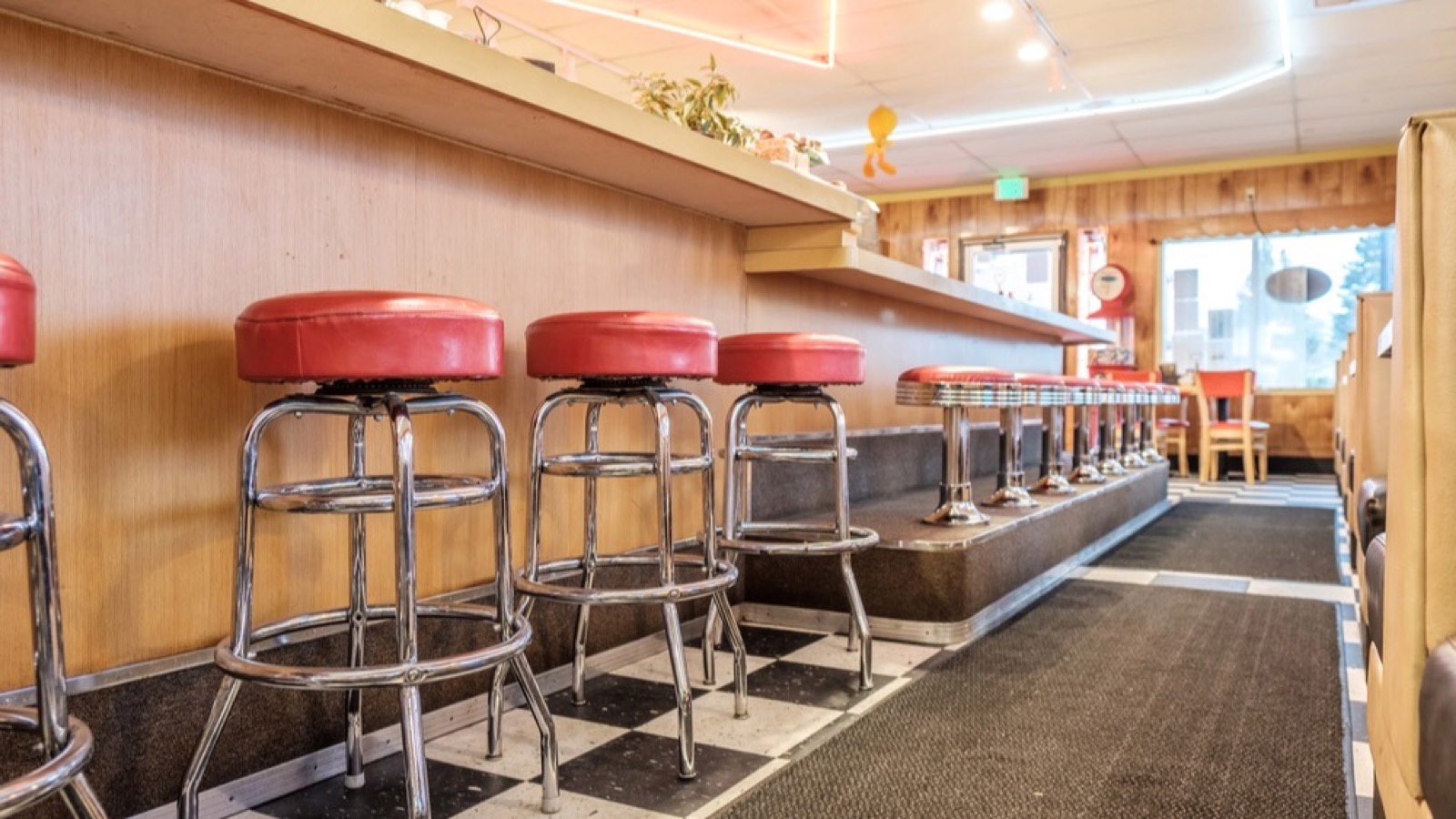
The American diner of the 1960s was a world of its own. Chrome stools lined a long counter, a pie case glowed by the register, and a waitress who knew your name poured coffee before you asked. The menu was a laminated sheet with a hundred items, and the cook could make every one of them.
Those menus were full of dishes that have nearly vanished. Some fell out of fashion, and others were replaced by faster, cheaper food. A few sound downright strange to younger diners today.
If you slid into a booth in 1965, you could have ordered any of these without a second thought. Here are ten things every diner served back then that you rarely see on a menu now.
1. Liver and Onions
Liver and onions was a standard dinner plate at nearly every diner in the country. The liver was sliced thin, fried on the flat-top, and buried under a pile of soft onions and a few strips of bacon. It came with mashed potatoes and a vegetable.
Working men ordered it because it was cheap and filling. Organ meats have since dropped out of the American diet almost completely. A handful of old-fashioned diners still serve it, mostly to their oldest regulars.
2. Hot Open-Faced Sandwiches
A hot turkey or hot roast beef sandwich was not something you picked up with your hands. Slices of meat were laid over white bread, covered in gravy, and served with mashed potatoes. You ate it with a knife and fork.
It was a full hot meal at a sandwich price. Many diners made it from the roast they had cooked that morning. Today’s menus lean toward wraps and paninis, and the gravy-soaked classic is harder to find.
3. Creamed Chipped Beef on Toast
This breakfast plate came straight from military mess halls. Thin slices of dried beef were stirred into a white cream sauce and poured over toast. Veterans had a colorful nickname for it, and they ordered it by that name with a grin.
It was salty, hearty, and very cheap to make. As the generation that served in World War II and Korea has passed, the dish has faded with them. It still appears in parts of Pennsylvania and the Mid-Atlantic.
4. The Diet Plate
Every diner had a “diet plate” or “dieter’s special.” It was usually a hamburger patty with no bun, a scoop of cottage cheese, a canned peach half, and a lettuce leaf. Sometimes a few slices of tomato were added.
This was the 1960s idea of healthy eating. Women watching their weight ordered it by the thousands. Modern menus offer salads and grain bowls instead, and the cottage cheese and peach combination has all but disappeared.
5. Jell-O and Rice Pudding
Dessert did not have to be fancy. Diners kept dishes of cubed Jell-O, rice pudding, tapioca, and baked custard lined up in the cooler. Each came with a swirl of whipped cream on top.
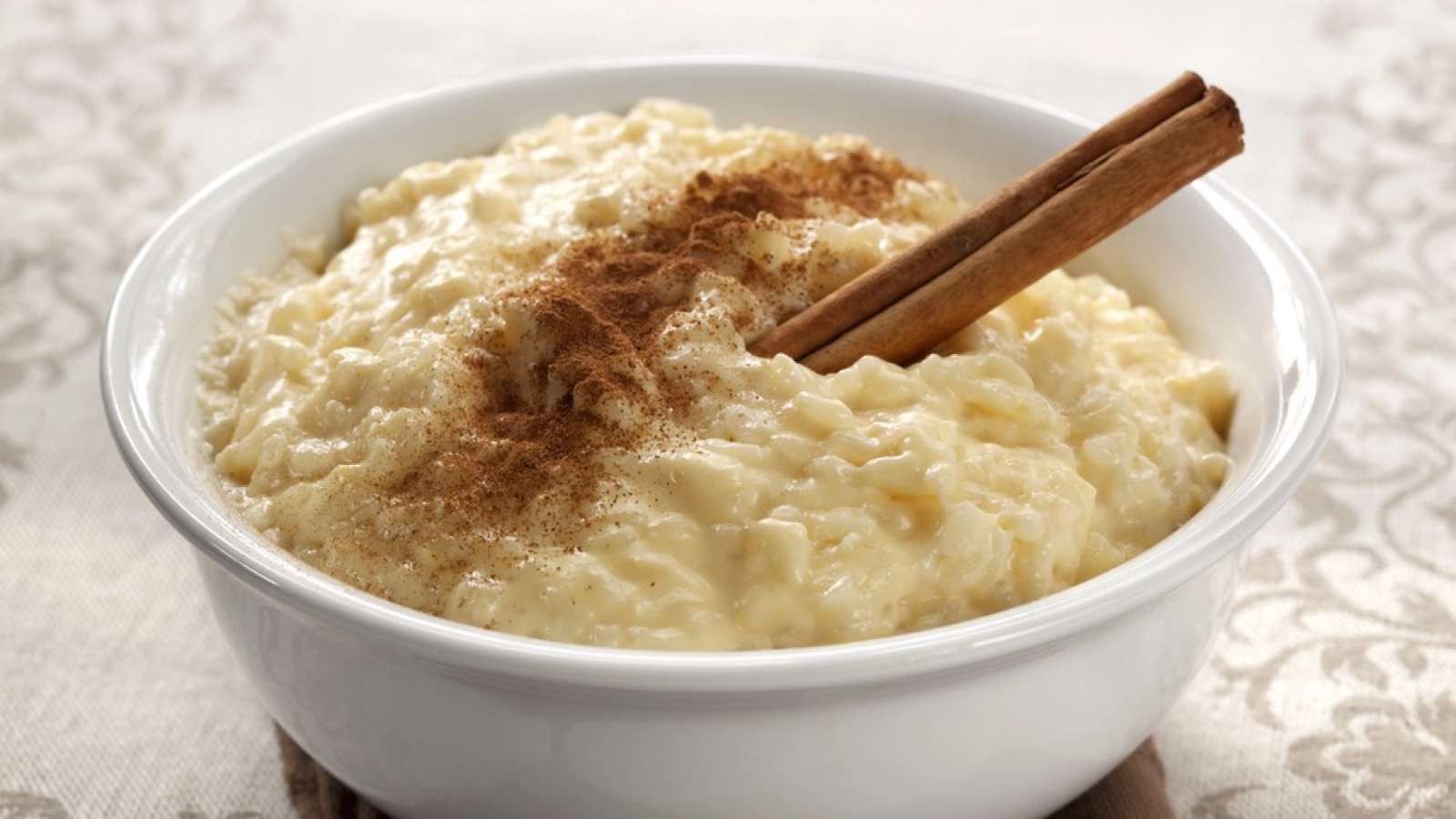
These simple desserts cost a dime or a quarter. They have mostly been replaced by oversized slices of cheesecake and brownie sundaes. Many older diners still miss a plain dish of rice pudding with cinnamon.
6. Salisbury Steak
Salisbury steak was a ground beef patty shaped into an oval and smothered in brown mushroom gravy. It came as a blue-plate special with two sides and a roll. It gave people the feeling of steak at a hamburger price.
The dish was everywhere in the 1960s, from diners to school cafeterias to TV dinners. It now survives mostly in the frozen food aisle. Restaurant menus have moved on to gourmet burgers.
7. Egg Creams and Phosphates
The soda fountain was a key part of many diners. A soda jerk mixed drinks by hand using flavored syrup and seltzer water from a tap. Egg creams, cherry phosphates, and lime rickeys were all favorites.
An egg cream, despite the name, contained neither egg nor cream. It was milk, chocolate syrup, and seltzer, stirred until it foamed. As bottled and canned soda took over, the hand-mixed fountain drink became a rare treat.
8. Stewed Prunes and Half a Grapefruit
Breakfast menus in the 1960s nearly always listed stewed prunes, prune juice, and half a grapefruit. The grapefruit came with a maraschino cherry in the center and a special serrated spoon. Tomato juice was served in a tiny glass as an appetizer.
These were considered proper starters to a morning meal. Older customers ordered them out of habit and for their health. Most modern breakfast menus skip straight to pancakes and omelets.
9. Tuna Melts and Patty Melts on the Flat-Top
Sandwiches grilled in butter on the flat-top were diner signatures. A patty melt put a burger, Swiss cheese, and fried onions between slices of rye bread. A tuna melt did the same with tuna salad and American cheese.
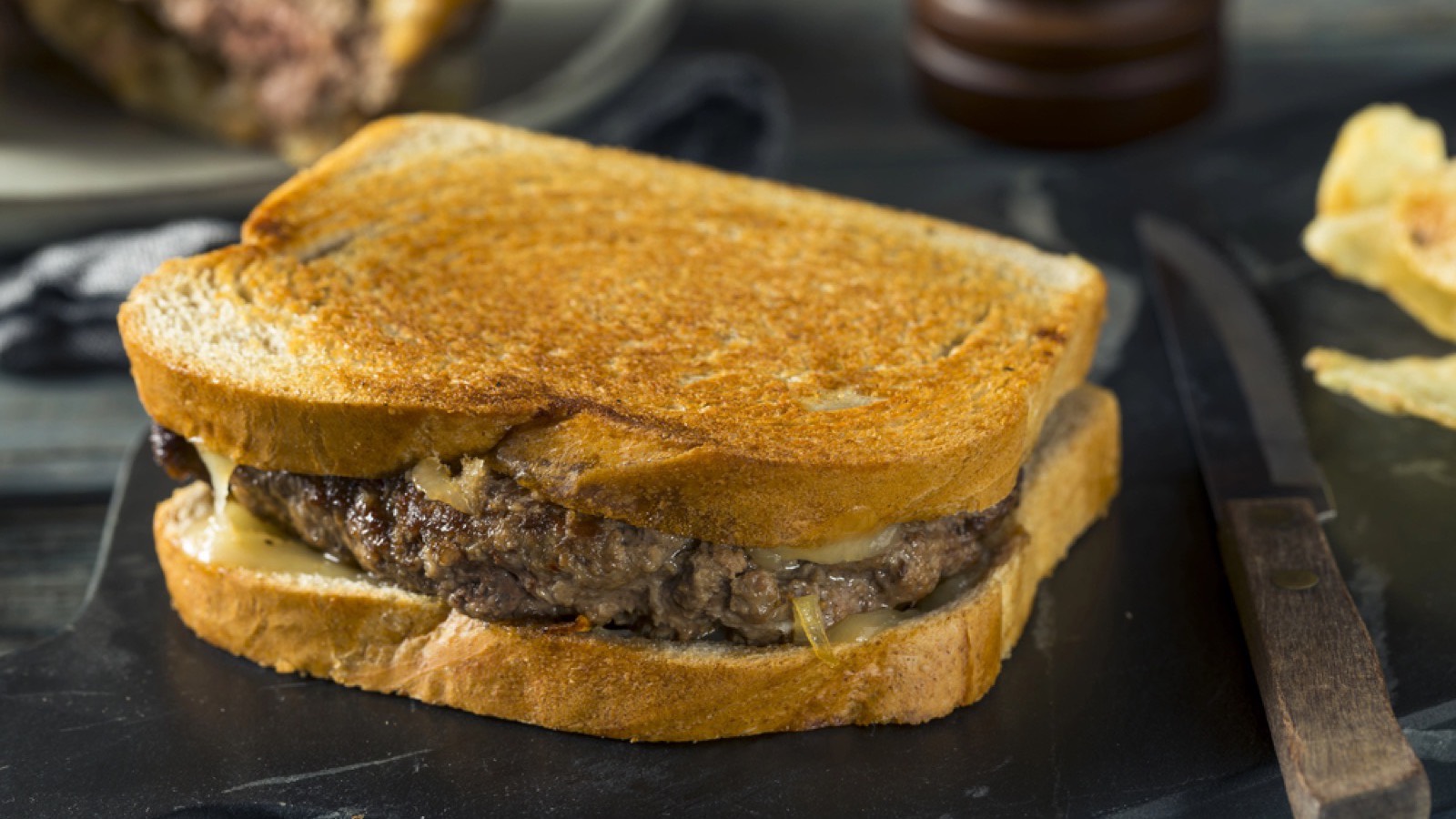
They still exist, but far fewer places make them the old way. Chains have replaced many of the independent diners that perfected them. These remain among the diner classics people order wherever they can find them.
10. The Blue-Plate Special
The blue-plate special was the heart of the diner. It was a full meal at a low fixed price, with a meat, two or three vegetables, bread, and sometimes dessert and coffee. The offering changed every day, such as meatloaf on Monday and pot roast on Thursday.
Regulars planned their week around it. No substitutions were allowed, and nobody minded. As menus grew and costs rose, the daily special at a bargain price slowly disappeared.
Why Diner Menus Changed
The classic diner faced strong competition starting in the 1960s. Fast-food chains offered burgers and fries in minutes at prices diners could not match. Families who once ate at the counter began pulling into drive-throughs instead.
Tastes changed as well. Americans grew more interested in lighter foods, international flavors, and bigger portions. Liver, prunes, and creamed beef simply could not compete with tacos, pasta, and chicken tenders.
The economics were hard too. Making a hundred items from scratch takes a skilled cook and a lot of labor. Many family-owned diners closed, though some classic American diners are still going strong after many decades.
What Made the Old Diner Special
The food was only part of it. A diner was a place where the waitress called you “hon,” the coffee cup never went empty, and a stranger at the counter might become a friend. It was open early and late, and everyone was welcome.
Prices seem unbelievable now. A full dinner could cost under two dollars, and a cup of coffee was a dime. You can see what that would be in today’s money with the government’s inflation calculator.
The few old-style diners that remain are treasured by their communities. Walking into one is like stepping back in time. What did you always order at the diner when you were young, and can you still find it anywhere today?