7 Foods Made Famous by Soldiers That Ended Up in Every American Kitchen
Some of the most familiar foods in your pantry have a surprising past. They were not dreamed up for busy mothers or hungry children. They were developed, improved, or made famous because armies needed food that could travel.
Feeding soldiers has always been a huge challenge. Food had to survive heat, cold, rough handling, and months in storage. It also had to be easy to carry and quick to eat.
The solutions that worked on the battlefield often came home with the troops. These seven foods owe their success to soldiers, and they ended up in nearly every American kitchen.
1. M&M’s
The candy-coated chocolates were born from a military problem. Chocolate melted in soldiers’ packs, especially in warm climates. A hard sugar shell kept the chocolate from making a mess.
M&M’s were introduced in 1941, just as the United States was entering World War II. During the war, they were sold to the military and packed in soldiers’ rations. When the troops came home, they kept buying them, and the candy became a national favorite.
2. Spam
Spam was created by Hormel in 1937, a few years before the war. It was a canned pork product that needed no refrigeration and kept for a very long time. That made it ideal for feeding troops overseas.
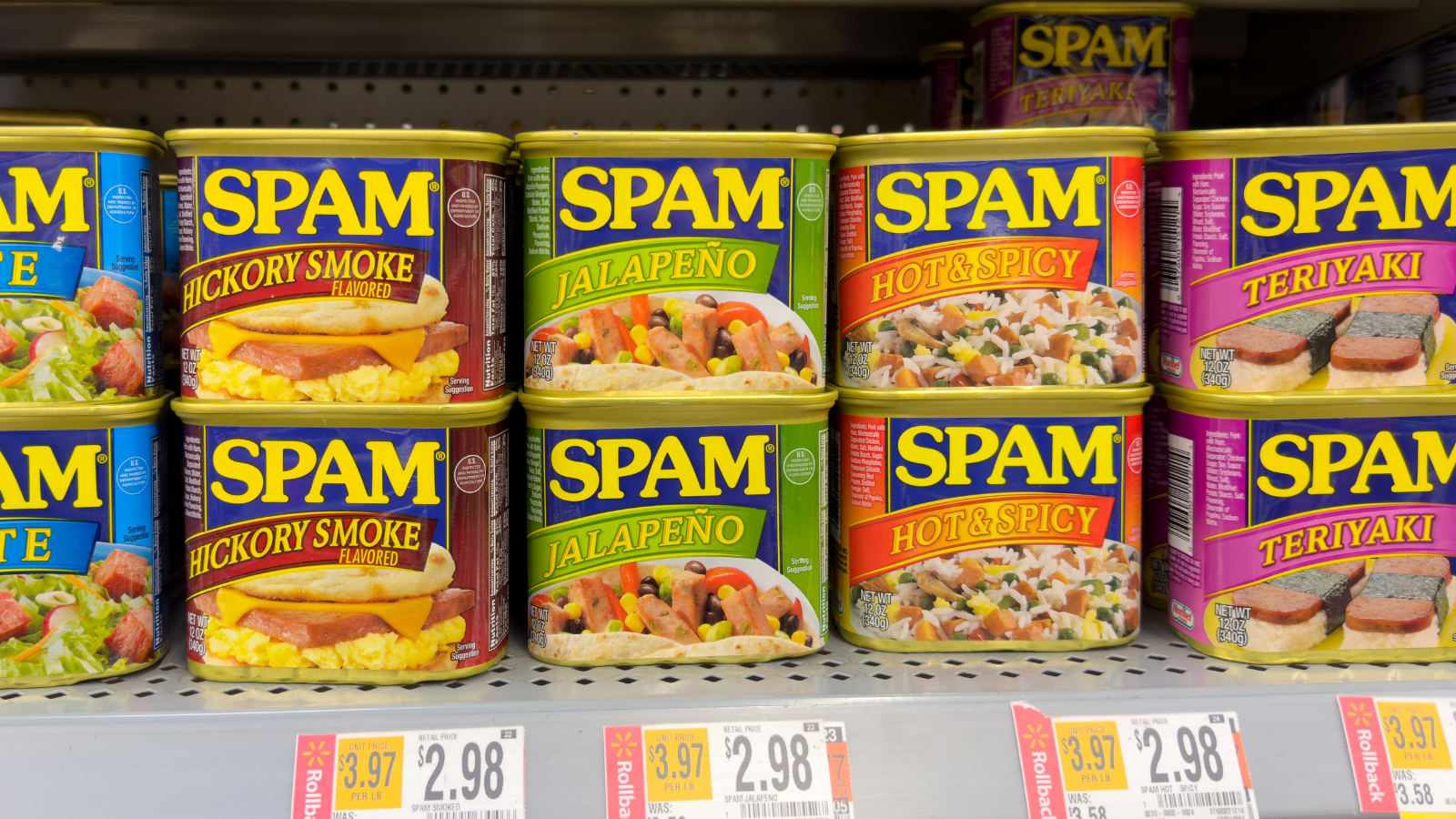
Enormous amounts were shipped to American and Allied forces during World War II. According to Britannica, Spam became a staple for soldiers and for civilians in countries where fresh meat was scarce. Soldiers joked about eating it constantly, but it stayed in American pantries for decades afterward.
3. Instant Coffee
Soluble coffee existed before the wars, but soldiers made it popular. During World War I, the U.S. military bought large quantities because it was light and could be made with just hot water. Troops in the trenches came to depend on it.
World War II repeated the pattern on a far larger scale. Instant coffee was included in ration kits, and millions of servicemen drank it daily. After the war, it became a fixture in American kitchens, especially for people in a hurry.
4. Frozen Orange Juice Concentrate
During World War II, the government wanted a way to get vitamin C to troops overseas. Scientists working in Florida developed a method for concentrating orange juice that kept much of its fresh flavor. The war ended before the product reached soldiers in large amounts.
The discovery was quickly turned to civilian use. Frozen concentrate arrived in grocery stores in the late 1940s and became a huge success. For boomers, a can of frozen orange juice stirred into a pitcher of water was part of every breakfast.
5. Chef Boyardee
Ettore Boiardi was an Italian immigrant chef who began selling his spaghetti sauce and pasta dinners in the 1920s and 1930s. His company spelled the name phonetically so Americans could pronounce it. The products sold well, but the war changed everything.
During World War II, his factory ran around the clock producing canned rations for American troops. The company grew enormously to meet the demand. After the war, canned pasta became a quick, cheap meal that mothers served to children across the country.
6. Cheese Powder
The bright orange powder on cheese puffs and in boxed macaroni and cheese has military roots too. During World War II, researchers worked on dehydrating cheese so it would be lighter and last longer in the field. The result was a shelf-stable cheese powder.
After the war, food companies found many uses for it. It flavored snack foods and turned up in convenience meals of every kind. Countless convenience foods that filled mid-century American kitchens relied on wartime technology like this.
7. Canned Food Itself
The tin can may be the greatest military food invention of all. In the early 1800s, the French government offered a prize for a way to preserve food for Napoleon’s armies. A cook named Nicolas Appert won it by sealing food in glass jars and heating them.
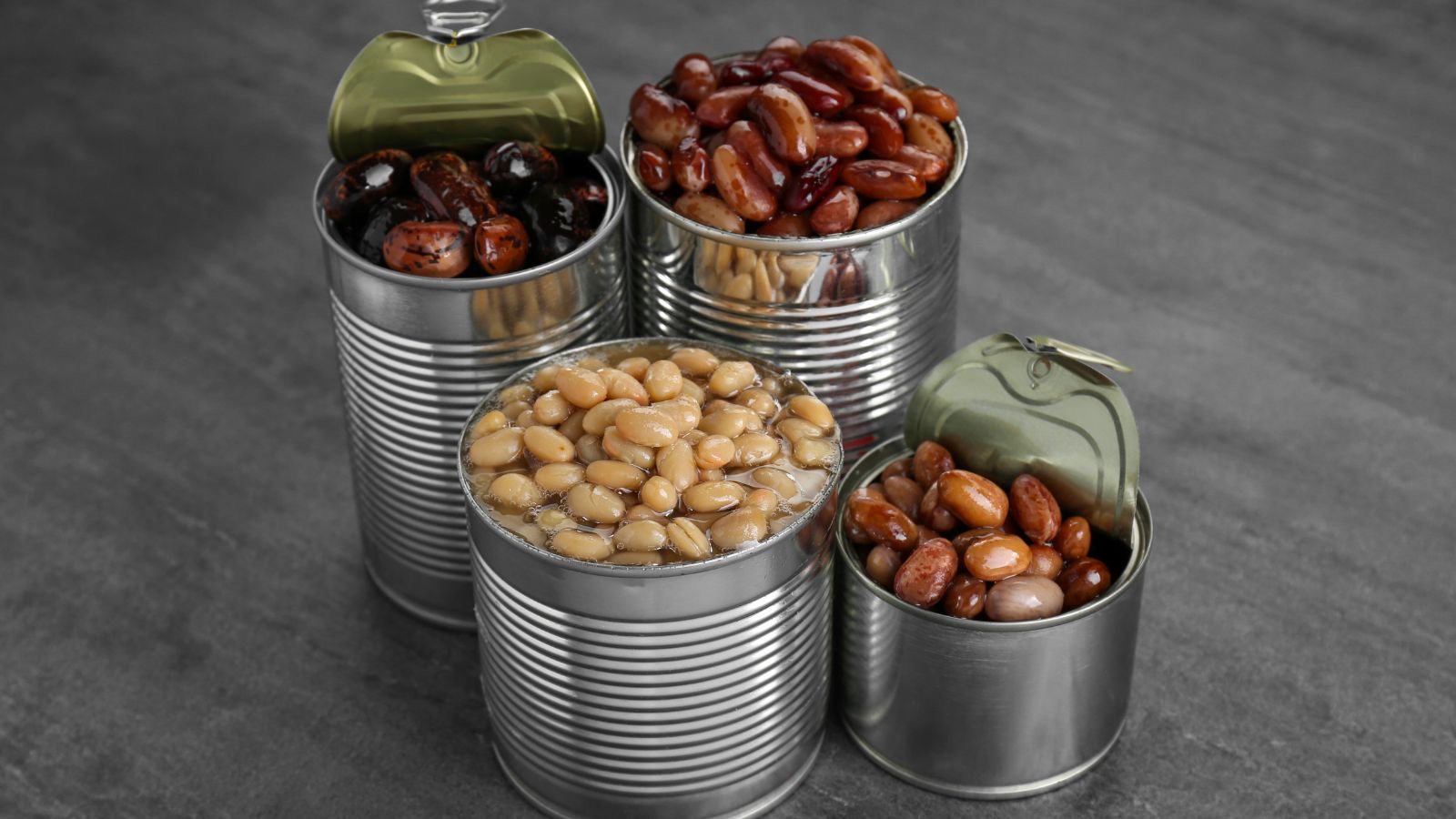
The idea was soon adapted to metal cans. Armies and navies around the world relied on canned food through the 19th century, including during the American Civil War. Soldiers who had eaten canned goods in camp brought the habit home, and canning grew into a major industry.
Why Soldiers Shaped the Way We Eat
War forces rapid invention. Governments spend heavily to solve problems that private companies might take decades to tackle. Food that will not spoil, melt, or weigh too much becomes a matter of national importance.
Millions of young men also tried new foods at the same time. A soldier from a small farm town might taste instant coffee, canned meat, or candy-coated chocolate for the first time in uniform. When he came home, he brought those tastes with him.
Factories were another factor. Companies that had expanded to supply the military needed new customers once peace returned. They turned their attention to housewives and marketed the same products as modern conveniences.
The Home Front Changed Too
Civilians were deeply affected by wartime food policy. Meat, sugar, butter, coffee, and canned goods were rationed, and families had to plan carefully. As the National WWII Museum explains, ration books and stamps governed much of what Americans could buy.
Families were also urged to grow their own vegetables. Millions planted victory gardens in backyards, vacant lots, and city parks. Those gardens produced a large share of the nation’s fresh vegetables during the war.
Those years left a lasting mark on the women who ran the kitchens. They learned to stretch, substitute, and waste nothing. Their children, the boomers, grew up with those habits at every meal.
From Mess Hall to Family Table
Some military foods came home as recipes, not products. Creamed chipped beef on toast, a mess hall standard, became a regular breakfast in many households. Veterans asked their wives to make the dishes they had grown used to.
The military also worked hard to give troops a taste of home. Holiday meals, familiar desserts, and regional favorites were served whenever possible to keep spirits up. There were many unexpected comfort foods that the U.S. military served to remind troops of home.
The exchange went both ways. Soldiers stationed abroad developed a taste for foods like pizza and brought that home as well. The American diet after 1945 was broader than it had ever been.
A Legacy in Every Pantry
It is easy to forget where these foods came from. A bag of candy, a can of pasta, and a jar of instant coffee seem as ordinary as anything could be. Yet each carries a small piece of history.
Hormel itself has celebrated the role its canned meat played in the war years, noting how the product’s origins tie into that era. The same is true of many brands on the shelf today. They are reminders of a generation that served and of the families who waited for them.
If your father or grandfather was a veteran, he probably had strong opinions about at least one of these foods. Which one did he love, and which one did he swear he would never eat again?