8 Family Traditions That Are Slowly Dying Out
Every family has its traditions, the little rituals that mark the seasons and tie the generations together. For many Americans who grew up in the 1950s, 1960s, and 1970s, those traditions were the backbone of childhood. They meant Sunday dinners at Grandma’s, holiday cards stacked on the mantel, and summer road trips with the whole family crammed into the car.
Over the past few decades, many of those customs have quietly faded. Families are busier and more spread out, technology has changed how people connect, and some traditions simply no longer fit modern life. Younger generations often have never experienced them at all.
That does not mean they have vanished completely, and some are enjoying a small revival. But many are much less common than they once were. Here are eight family traditions that are slowly dying out, and why so many people still miss them.
1. Sunday Dinner With Extended Family
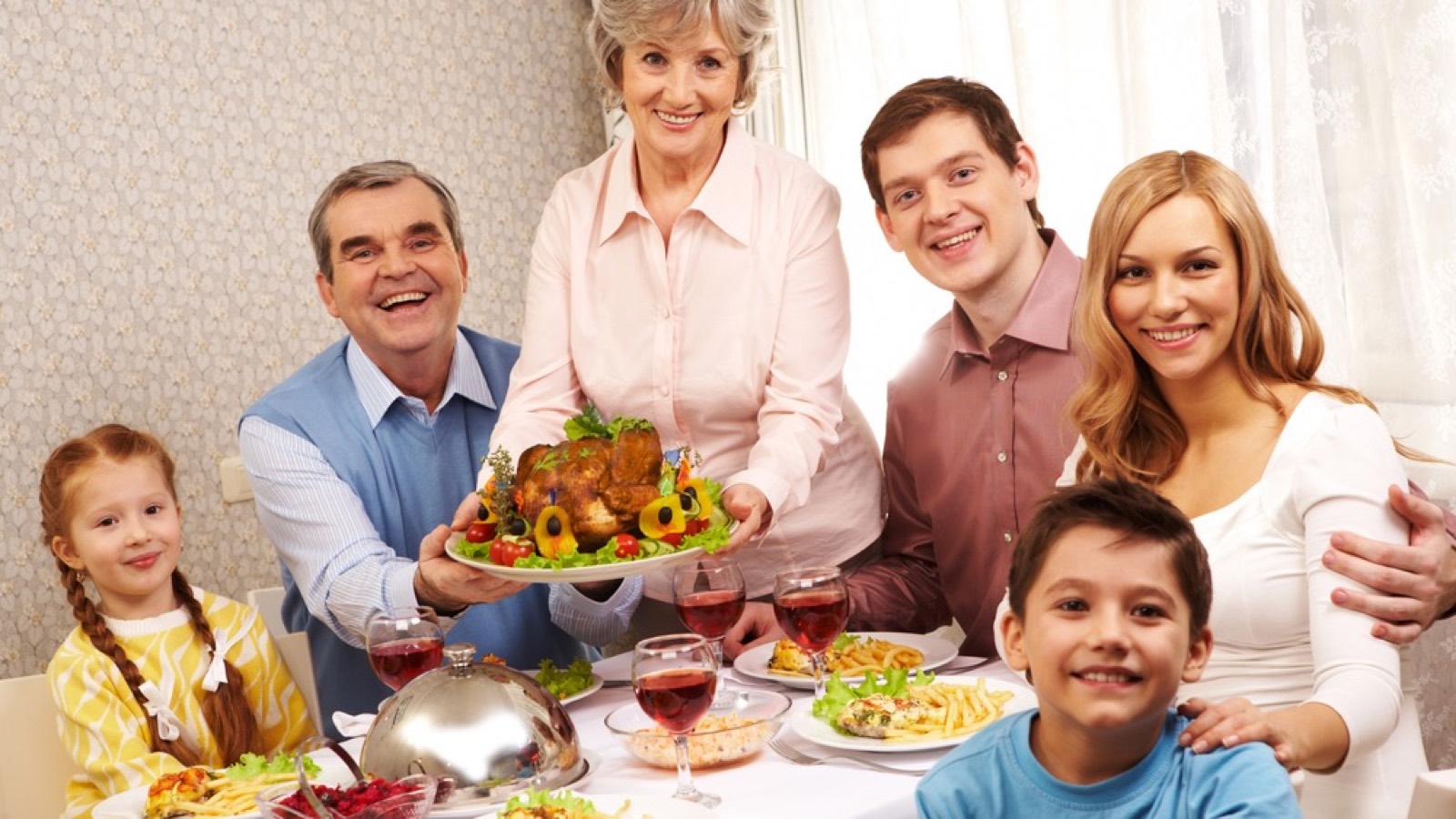
For generations, Sunday dinner was a weekly ritual. Grandparents, aunts, uncles, and cousins gathered around a big table for a hearty meal. It was a time to catch up and stay connected.
Today, families are more spread out, and weekends are filled with sports, errands, and work. Many families no longer gather every Sunday. The tradition has become a special occasion rather than a weekly event.
Many people miss the sense of belonging that Sunday dinners provided. Some are trying to bring it back, even if only once a month. The Sunday family dinner tradition is worth preserving.
2. Sending Holiday Cards by Mail
Sending holiday cards was once a major tradition. Families spent hours writing cards, addressing envelopes, and licking stamps. The cards that arrived were displayed on the mantel or taped around doorways.
Today, many people send digital greetings or post holiday photos on social media. Fewer families send physical cards. Postage costs and busy schedules have contributed to the decline.
Many people still treasure handwritten cards. They are more personal than a text or post. Some families are making an effort to keep the tradition alive.
3. Family Road Trips
Family road trips were a summer tradition for many boomers. Families piled into the station wagon and drove across the country to visit relatives or see national parks. Kids played games, sang songs, and argued in the back seat.
Today, many families fly to their destinations. Road trips still happen, but they look different. Kids have tablets and phones to entertain themselves.
Many people remember road trips as some of their best childhood memories. They recall stopping at roadside attractions and diners. The shared experience brought families together.
4. Writing Letters to Relatives
Before phones and email, families kept in touch by writing letters. Children wrote to grandparents, and parents wrote to siblings who lived far away. Letters were saved and reread.
Today, most communication happens through texts, emails, and video calls. Letter writing has become rare. Many young people have never written a personal letter.
Letters were a way to share news and express feelings. They are now treasured keepsakes. Some families still encourage children to write letters to grandparents.
5. Gathering Around the Television for Special Shows
In the past, families gathered around the television to watch special shows together. Holiday specials, variety shows, and major events were shared experiences. Everyone watched at the same time.
Today, streaming services allow people to watch whatever they want, whenever they want. Families often watch different shows on different devices. The shared viewing experience has declined.
Many people miss the excitement of waiting for a special show. They remember watching with their families and talking about it afterward. Some families still have movie nights to recreate that feeling.
6. Saying Grace Before Meals
Saying grace before meals was a common tradition in many American homes. Families paused to give thanks before eating. It was a moment of gratitude and reflection.
Today, fewer families say grace, partly because of changes in religious practice and busy schedules. Many families eat at different times or on the go. The tradition has faded in many homes.
Some families still say grace, especially on holidays. Others share what they are grateful for. The practice of pausing before a meal can still be meaningful.
7. Making Homemade Holiday Treats Together
Many families had holiday baking traditions. Mothers, grandmothers, and children made cookies, pies, and candies together. The kitchen was filled with flour, sugar, and laughter.
Today, many families buy holiday treats from stores. Busy schedules make it harder to spend hours baking. Some families still bake together, but it is less common.
Holiday baking was a way to pass down recipes and spend time together. Many people still treasure those memories. Some families are reviving the tradition with their own children.
8. Visiting Neighbors and Dropping By Unannounced
In the past, neighbors often dropped by each other’s homes without calling first. They brought baked goods, shared news, and stayed for coffee. Neighborhoods felt like close-knit communities.
Today, dropping by unannounced is often seen as rude. People prefer to text or call first. Many people do not know their neighbors well.
Many older Americans miss the sense of community that came with neighborly visits. They remember when neighbors looked out for each other. Some communities are working to rebuild those connections.
Why These Traditions Are Fading
Many of these traditions are fading because of changes in modern life. Families are busier, more spread out, and more connected through technology. Some traditions simply do not fit modern schedules.
Changing values and religious practices have also played a role. Some traditions are less relevant to younger generations. Others have evolved into new forms.
Keeping Traditions Alive
Many families are making an effort to preserve their traditions. They plan regular gatherings, bake together, and send handwritten cards. They want to pass these customs on to their children.
Traditions give families a sense of identity and connection. They create memories that last a lifetime. Even small rituals can make a big difference.
What Traditions Mean to Us
For many people, family traditions are among their most cherished memories. They remember the smells, sounds, and feelings of those special times. Those memories are worth keeping.
Which family tradition do you miss the most, and do you still keep any of these traditions alive in your own family? Sharing them with younger generations is one way to make sure they are not forgotten.