10 Forgotten Grocery Store Items From the 1950s That Would Surprise Shoppers Today
Imagine walking into an American grocery store in 1955. No self-checkout machines, grocery delivery apps, or endless rows of energy drinks. Instead, the shelves are lined with colorful tins, glass jars, powdered mixes, and products promising to make housework a little easier.
Some familiar brands are already there, including Campbell’s, Heinz, and Betty Crocker. But scattered between them are products that many modern shoppers have probably never heard of.
From powdered coffee whiteners to unusual dessert mixes, the 1950s were an exciting time for convenience foods. Manufacturers were introducing products designed to help families prepare meals faster while experimenting with new flavors and packaging.
Here are ten grocery store items from the decade that might bring back memories for older Americans and leave younger shoppers wondering what they were used for.
Pream Coffee Creamer
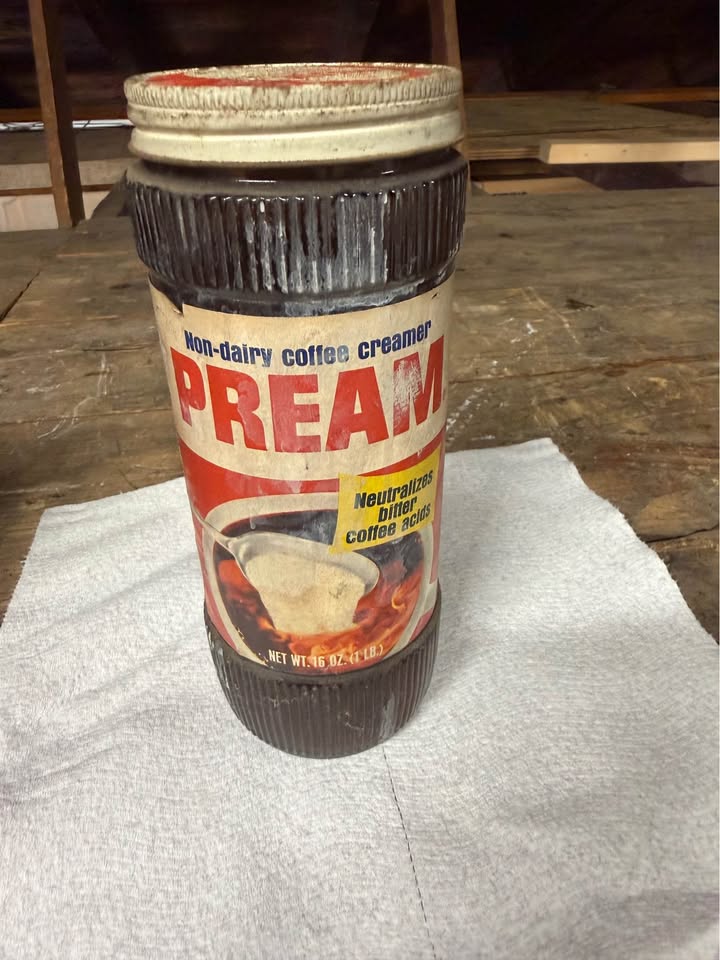
Long before supermarket refrigerators were filled with flavored coffee creamers, Americans could reach for a product called Pream.
Introduced in the early 1950s, Pream was marketed as a convenient powdered coffee product.
Unlike fresh cream, it could be stored without refrigeration until preparation, making it appealing to households seeking convenience.
Advertisements promoted it as an alternative to traditional dairy cream.
The product appeared in American grocery advertising throughout the decade, including a November 1956 issue of Family Circle.
Today, powdered coffee creamers are still common, but the Pream name is far less familiar than modern brands.
For shoppers who remember adding it to their morning coffee, that distinctive name might bring back memories of breakfast tables and steaming cups.
Flako Pie Crust Mix
Homemade pie was a familiar dessert in many 1950s households, but preparing pastry from scratch required time and effort.
Flako offered an easier alternative.
Its packaged pie crust mix let home cooks make pastry without measuring each dry ingredient separately.
The product was advertised in a November 1956 issue of Family Circle, alongside other popular pantry staples.
It appealed to consumers who wanted the satisfaction of baking at home without handling every step from the beginning.
Today, refrigerated pie crusts, frozen pastry sheets, and ready-made shells offer even more shortcuts.
But Flako represents an earlier generation of convenience baking.
For families who regularly baked apple, cherry, or pumpkin pies, a packaged pastry mix could make dessert preparation considerably simpler.
Lipton Frostee Dessert Mix
Lipton is widely recognized today for tea, but its 1950s product lineup included something quite different.
In June 1954, Good Housekeeping featured advertisements for Lipton Frostee Dessert Mix and Sherbet Mix.
These packaged products offered home cooks shortcuts for preparing frozen desserts.
During the decade, manufacturers increasingly marketed mixes that simplified dishes traditionally requiring more ingredients or preparation.
The idea appealed especially to households that wanted homemade-style desserts without spending hours in the kitchen.
Modern shoppers might associate Lipton with tea bags, iced tea, or soup mixes.
Finding its name on a frozen dessert product would probably come as a surprise.
It’s a reminder that familiar brands sometimes experimented with categories far removed from the products they’re best known for today.
Borden’s Vera Sharp Cheese
Processed cheese was already part of American grocery shopping in the 1950s.
One product advertised during the decade was Borden’s Vera Sharp Pasteurized Process American Cheese.
The cheese appeared in a June 1954 issue of Good Housekeeping.
At the time, packaged cheese products offered households convenient options for sandwiches, snacks, and cooked dishes.
Borden was already a recognizable name in American dairy products, making its cheese offerings a natural extension of the brand.
Today, shoppers can choose from countless sliced cheeses, blocks, shredded varieties, and specialty products.
But the Vera Sharp name has largely faded from everyday grocery conversations.
For older shoppers, it may evoke memories of packed lunches, simple sandwiches, and family meals prepared with ingredients that were once supermarket staples.
Grapette Instant Beverages
Before today’s enormous selection of bottled soft drinks and powdered beverage mixes, Grapette offered another way to enjoy a fruity drink.
Advertisements from June 1954 featured Grapette Instant Beverages, including fruit-flavored syrups.
The products appeared in bottles and cans, with packaging designed to catch shoppers’ attention.
Grape-flavored beverages were particularly associated with the Grapette name.
Families could use concentrated drink products to prepare refreshments at home, making them appealing for gatherings and warm afternoons.
While flavored syrups remain available today, many younger shoppers would be unfamiliar with the vintage Grapette packaging.
The brand itself has a longer history, but its midcentury beverage products capture the colorful marketing style of 1950s grocery stores.
Spry Vegetable Shortening
Crisco wasn’t the only shortening brand competing for space in American kitchens.
Spry Vegetable Shortening was another recognizable product during the 1950s.
A July 1953 issue of Family Circle included Spry among advertised grocery items.
Shortening was commonly used in baking and cooking, particularly for pastries, cakes, and other recipes where fat contributed to texture.
For households that prepared most meals at home, a container of shortening was a practical pantry ingredient.
Spry’s advertising also emphasized home baking and recipe preparation.
Today, butter, oils, and other cooking fats compete for shoppers’ attention, and Spry is no longer a familiar name on American supermarket shelves.
Yet the brand remains part of midcentury home-cooking history.
Betty Crocker Cream Puff Mix
Betty Crocker has been associated with convenient baking for generations.
But one of its lesser-known 1950s products was Cream Puff Mix.
The mix appeared in an August 1957 issue of Family Circle, alongside the brand’s angel food cake and brownie mixes.
Cream puffs are pastries traditionally made from choux dough, which requires heating ingredients before incorporating eggs.
A packaged mix offered an appealing shortcut for people who wanted to prepare something more elaborate than an ordinary cake.
The product reflected a broader 1950s trend toward convenience foods that promised impressive results with less preparation.
Today, Betty Crocker remains a major baking brand, but cream puff mix isn’t among the products most American shoppers immediately associate with it.
Ann Page Grocery Products
Longtime A&P supermarket shoppers may remember Ann Page.
The name appeared on a variety of store-brand grocery products, including mayonnaise, canned beans, and other pantry staples.
Advertisements from the 1950s show Ann Page mayonnaise in 1954 and Ann Page pork and beans in 1958.
The products were associated with the Great Atlantic & Pacific Tea Company, better known as A&P.
For generations, A&P was an important part of American grocery shopping.
Its Ann Page line offered customers familiar foods under the supermarket’s own branding.
Although private-label products are now common at chains such as Walmart, Aldi, and Kroger, the Ann Page name belongs to an earlier era of American retail.
For shoppers who remember A&P stores, seeing an old Ann Page label might be enough to bring back an entire shopping trip.
Trade Winds Frozen Fantail Shrimp
Frozen seafood was another growing category during the 1950s.
One product advertised in Good Housekeeping in June 1954 was Trade Winds Frozen Fresh Fantail Shrimp.
The product also appeared in grocery advertising later in the decade.
Fantail shrimp refers to a preparation in which shrimp are arranged or cut to create a spread-out, fanlike appearance.
Packaged frozen seafood offered an alternative to purchasing and preparing fresh seafood entirely from scratch.
For households interested in entertaining guests, frozen shrimp could provide a convenient foundation for appetizers or special meals.
Modern grocery stores still carry numerous frozen shrimp products.
However, the Trade Winds name and its vintage packaging would be unfamiliar to many shoppers today.
The Original Swanson TV Dinner
Few grocery innovations capture the spirit of the 1950s quite like the Swanson TV Dinner.
According to the Smithsonian’s National Museum of American History, Swanson introduced its frozen TV dinner in 1954.
The meal came in a divided aluminum tray that could go directly into the oven.
Early versions included turkey, dressing, gravy, vegetables, and sweet potatoes.
The packaging let people heat and serve a complete meal without preparing several dishes separately.
The name also reflected America’s growing enthusiasm for television.
Families could enjoy dinner while watching their favorite programs, often using folding TV tray tables.
Frozen dinners remain popular today, but the original aluminum-tray experience has largely disappeared from American households.
Why These Grocery Products Faded From Everyday Life
The disappearance of many midcentury grocery products wasn’t necessarily because consumers disliked them.
Some were replaced by more convenient alternatives. Others lost popularity as eating habits changed or manufacturers shifted their product lines.
Supermarkets also evolved dramatically.
Frozen food selections expanded, packaging improved, and new brands competed for shelf space.
The Bottom Line
Grocery shopping in the 1950s offered a fascinating mixture of familiar essentials and products that have since faded from memory.
From Pream coffee creamer and Flako pie crust mix to Trade Winds shrimp and the original Swanson TV Dinner, these items reflect a time when convenience foods were changing American kitchens.
Some product categories survived while their old brand names disappeared. Others were transformed by new technology and changing consumer preferences.
Which of these forgotten grocery products do you remember seeing in your family’s kitchen?