9 McDonald’s Menu Items That Were Discontinued and Never Came Back
McDonald’s is famous for its classics. The Big Mac, the Quarter Pounder, the french fries, and the Egg McMuffin have been on the menu for decades, and they are recognized around the world. But behind those best sellers is a long list of experiments that did not last.
Over the years, McDonald’s has tested hundreds of new items, from pizza to pasta to a burger made for grown-ups. Some became local legends, while others disappeared so quickly that only a few customers remember them. Many were dropped because they slowed down the kitchen, cost too much to make, or simply did not sell.
Some discontinued items, like the McRib and the Snack Wrap, have returned after fans demanded them. But others have stayed gone. Here are nine McDonald’s menu items that were discontinued in the United States and never made a lasting comeback.
1. The Hula Burger
The Hula Burger was one of McDonald’s strangest ideas. In the early 1960s, founder Ray Kroc wanted a meatless option for Catholic customers who avoided meat on Fridays. His solution was a slice of grilled pineapple topped with a slice of cheese on a bun.
At the same time, a franchise owner in Cincinnati named Lou Groen created the Filet-O-Fish. In 1962, Kroc agreed to a contest, and the two sandwiches went head to head in test markets. The Filet-O-Fish won easily, and the Hula Burger was dropped.
The Filet-O-Fish is still on the menu today. The Hula Burger is now a piece of fast-food trivia. Groen’s sandwich saved his Cincinnati franchise, which had struggled on Fridays, and went on to become one of the chain’s longest-running items. Smithsonian magazine has told the fishy history of that contest.
2. Onion Nuggets
Before Chicken McNuggets became a phenomenon in the early 1980s, McDonald’s tested Onion Nuggets in the late 1970s. They were chunks of diced onion, battered and deep-fried, and served with dipping sauce. Some fans compared them to bite-sized onion rings.
Onion Nuggets were sold in a few test markets but never went national. When Chicken McNuggets rolled out across the country in 1983, they became one of the biggest hits in fast-food history.
Few people remember Onion Nuggets today. But they were a sign of the bite-sized, dippable foods that would later dominate the menu.
3. The McDLT
The McDLT was introduced in 1984, and it came with a unique twist. The burger was served in a two-sided foam container. One side held the hot beef patty on the bottom bun, and the other held the cool lettuce, tomato, and top bun. Customers put the two sides together themselves.
The slogan promised to “keep the hot side hot and the cool side cool.” A young Jason Alexander, later famous for “Seinfeld,” appeared in a memorable McDLT commercial.
The sandwich disappeared around 1991, partly because of growing concerns about the environmental impact of foam packaging. McDonald’s moved away from foam containers that same decade.
4. The McLean Deluxe
In 1991, McDonald’s introduced the McLean Deluxe, a burger marketed as a healthy option. It was about 91 percent fat-free, thanks to a patty that used water and a seaweed extract called carrageenan to replace some of the fat. The burger was part of a push to attract health-conscious customers.
The McLean Deluxe did not sell well. Many customers said it lacked the flavor of a regular burger, and some were put off by the idea of seaweed in their beef. It was discontinued in 1996.
The McLean Deluxe is often cited as an example of a health trend that failed in the fast-food world. Customers wanted healthier choices in theory, but they did not always buy them.
5. The Arch Deluxe
The Arch Deluxe was launched in 1996 as a burger for adults. It featured a quarter-pound patty, peppered bacon, lettuce, tomato, cheese, and a special mustard-mayonnaise sauce on a potato flour bun. McDonald’s spent an estimated $100 million or more on marketing.
The ads showed children making faces at the burger, suggesting it was too sophisticated for kids. The campaign confused many customers, who came to McDonald’s for affordable, family-friendly food. The Arch Deluxe was considered one of the biggest flops in fast-food history.
It faded from menus by the late 1990s. It is now remembered mostly as a marketing lesson.
6. McPizza
In the late 1980s, McDonald’s tried to compete with pizza chains by selling its own pizza. McPizza was offered in some locations, and restaurants even installed special ovens and larger drive-thru windows to handle the boxes.
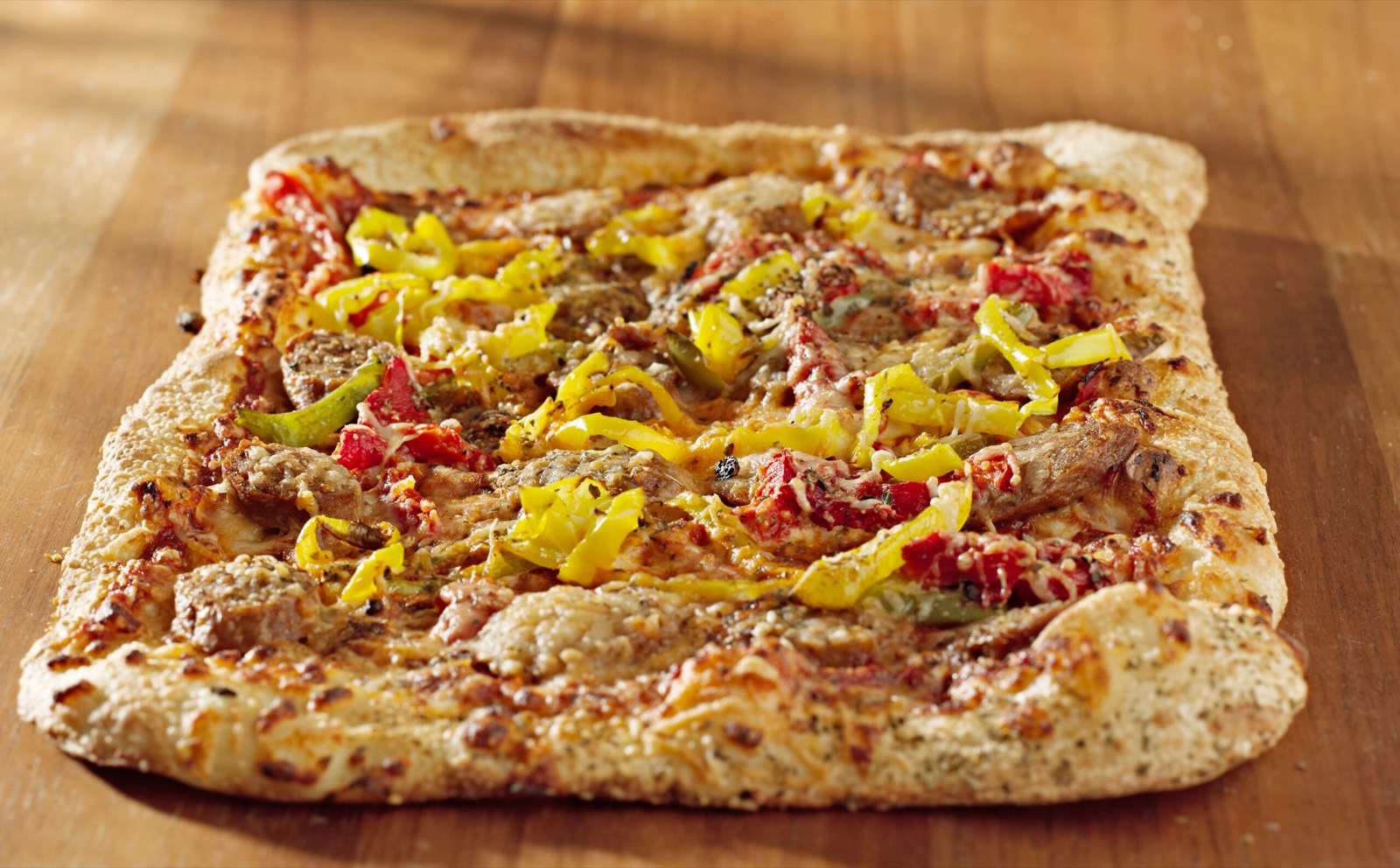
The problem was speed. Pizza took about 11 minutes to cook, far longer than a burger. This slowed down service and frustrated customers who expected fast food. McPizza was gradually dropped from most restaurants by the early 2000s.
Two franchise locations, one in Ohio and one in West Virginia, famously kept serving McPizza until 2017. Their final pizzas drew curious customers from far away.
7. McSpaghetti
McSpaghetti was offered at some U.S. McDonald’s locations in the 1970s and 1980s, along with other dinner items. It was a simple dish of spaghetti with tomato sauce, sometimes served with a side of garlic bread.
The dish did not fit the fast, handheld image McDonald’s had built, and it disappeared from American menus. However, McSpaghetti is still a popular menu item in the Philippines, where it is made with a sweeter sauce and slices of hot dog.
For American customers, McSpaghetti is a distant memory. For many Filipino customers, it is a beloved favorite.
8. Salad Shakers
Salad Shakers were introduced in 2000 as a portable salad option. Each salad was served in a tall plastic cup with a dome lid, and customers poured dressing in and shook the cup to mix it. Options included chef salad, garden salad, and Chinese chicken salad.
They were designed to fit in car cup holders, which made them perfect for drive-thru customers. But the cups were hard to eat from, and the salads did not sell well. They were replaced in 2003 by a new line of premium salads. Salad Shakers are remembered as one of McDonald’s most creative packaging ideas, even if they did not last.
9. The Super Size Option
For many years, McDonald’s offered Super Size fries and drinks, which were larger than the standard large size. The option was especially popular in the 1990s and early 2000s. A Super Size drink was 42 ounces.
In 2004, McDonald’s phased out the Super Size option. The decision came around the same time as the documentary “Super Size Me,” in which filmmaker Morgan Spurlock ate only McDonald’s food for a month. McDonald’s said the change was part of a menu simplification and was not related to the film.
The Super Size option never returned. Today, many fast-food chains offer large sizes, but the famous name is gone.
Why McDonald’s Drops Menu Items
McDonald’s discontinues menu items for many reasons. Speed of service is one of the most important. Items that slow down the kitchen or the drive-thru are often removed, even if customers like them. Cost and complexity also matter, since every new ingredient adds to supply and training costs.
Customer tastes also shift over time. Health trends, environmental concerns, and changing eating habits all influence the menu. Some items are dropped because they never caught on in the first place. Restaurants like these appear in many lists of the restaurants that were top picks for baby boomers.
The Power of Fan Demand
Some discontinued McDonald’s items have come back after fans demanded them. The McRib has returned many times as a limited offer. The Snack Wrap made a widely publicized return in 2025 after years of online campaigns.
These comebacks show that nostalgia is powerful. Many fans still hope to see their old favorites return. Fast food from childhood ranks high among the foods most boomers loved with a passion.
Which discontinued McDonald’s item do you remember most, and would you order it again if it came back? Many readers still say the McDLT was ahead of its time.