
Social Security Expands Mandatory Bank Account Checks for All Aged and Disabled SSI Applicants Before Benefits Are Approved Under May 4 Policy Change
If you’re applying for Supplemental Security Income (SSI), Social Security wants a closer look at your bank accounts before approving your benefits. And yes, that applies even if you say you don’t have much money saved.
Starting May 4, 2026, the Social Security Administration (SSA) expanded its mandatory bank-account verification process to all initial SSI claims being considered for approval, including those involving older adults and people with disabilities.
The change also covers applicants who qualify because of blindness.
Here’s why this matters: Even applicants who report having no bank accounts can be subject to financial searches.
But before you start worrying about someone watching every dollar you spend, there’s more to the story.
What Changed Under the May 4 Policy?
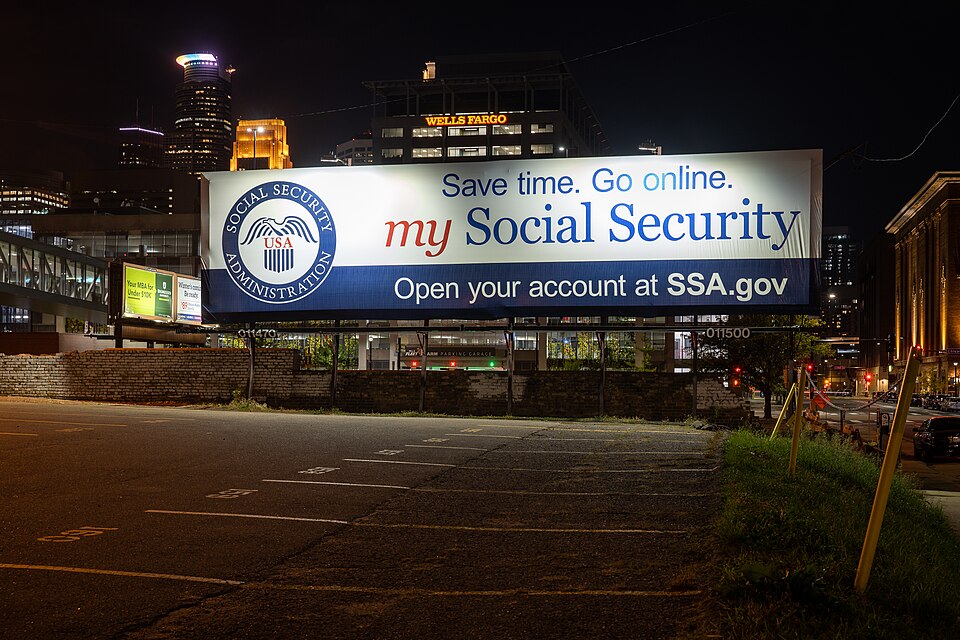
Social Security has been checking SSI applicants’ financial records for years. So, the government’s ability to request bank information isn’t new.
What changed is how broadly those checks are required.
Previously, SSA used different verification procedures depending on the type of SSI claim and the financial resources an applicant reported.
In August 2025, SSA expanded mandatory verification for certain age-based SSI approvals, regardless of reported savings.
Then, on May 4, 2026, the agency extended that requirement to all initial SSI approvals involving age, disability, or blindness.
The policy means financial verification is generally required before SSA processes these approvals, regardless of whether applicants report owning bank accounts.
However, there are exceptions. For example, applications denied for technical reasons don’t require the expanded verification.
Who Must Allow Social Security to Check Their Bank Accounts?

The expanded policy covers several groups of SSI applicants.
These include adults aged 65 or older applying for SSI based on age, adults applying because of qualifying disabilities, and people eligible because of blindness.
Children applying for SSI due to disability or blindness are also covered.
For married applicants, Social Security may need financial information from a spouse whose resources affect eligibility.
Similarly, parents’ financial resources can sometimes matter when determining whether a child qualifies.
However, there’s an important distinction.
The requirement to authorize financial-record requests has existed since 2003. The May 2026 change expanded when SSA must conduct verification for claims being approved.
It didn’t introduce an entirely new legal requirement for applicants to give permission.
Can Social Security Find Bank Accounts You Didn’t Report?
Imagine applying for SSI and reporting a checking account containing $250.
You might think Social Security will confirm that balance and finish its review.
Not necessarily.
SSA uses a system called Access to Financial Institutions (AFI) to verify account information.
The system can confirm reported accounts and search for additional accounts associated with applicants.
That means an old savings account, a forgotten checking account, or certain jointly owned accounts could turn up during verification.
But finding an account doesn’t automatically mean someone has broken the rules.
Social Security must still determine who owns the money, whether the applicant can access it, and whether it counts toward SSI eligibility.
How Much Money Can SSI Applicants Have?
Applicants need to pay close attention here.
SSI is designed for people with limited income and financial resources.
For 2026, the general countable-resource limits remain:
- $2,000 for an individual
- $3,000 for an eligible couple
Countable resources can include cash, checking and savings balances, investments, and certain other assets.
However, not everything you own counts toward those limits.
For example, Social Security generally excludes your primary home, one vehicle used for transportation, and ordinary household belongings.
Certain other funds may also qualify for exclusions.
And here’s something worth remembering: seeing more than $2,000 in a bank account doesn’t automatically mean an applicant is ineligible.
SSA must consider ownership, deposit timing, and applicable resource exclusions before deciding.
Does This Mean Social Security Can Monitor Every Purchase?
Not exactly.
The expanded verification process doesn’t establish continuous monitoring of every transaction.
The AFI system primarily helps Social Security obtain account information, including ownership details and balances.
SSA can request additional financial records when necessary to determine eligibility or payment amounts.
However, that doesn’t mean agency employees automatically receive a live feed showing every grocery purchase, ATM withdrawal, or online order.
Applicants should also know that Social Security employees should never ask them to reveal online banking passwords or PINs.
Authorizing financial verification is different from sharing your banking login information.
What Happens if You Refuse the Bank Check?
This is one part of the policy applicants shouldn’t overlook.
Under federal SSI regulations, applicants must give Social Security permission to request relevant financial records.
Refusing that permission can result in an application being denied.
For people already receiving SSI, withdrawing financial authorization can lead to suspended payments.
However, existing benefits don’t necessarily stop the moment someone refuses.
SSA must follow its notice and suspension procedures, and recipients have appeal rights.
There are limited exceptions involving situations where applicants cannot obtain required permission from certain other individuals.
Those exceptions generally don’t allow applicants to refuse authorization for their own financial records.
What if Your Bank Doesn’t Support Electronic Verification?
Not every bank participates in SSA’s electronic verification system.
When electronic verification isn’t available, the agency can request records through other methods, including mailed or faxed forms.
Applicants may also provide complete bank statements or other acceptable documentation.
And here’s some potentially reassuring news: Social Security doesn’t always have to wait for every electronic response before deciding a claim.
Under certain circumstances, adequate alternative records can allow an application to move forward while outstanding verification requests are handled separately.
That means having your financial documents organized could help avoid unnecessary complications.
Does This Affect People Already Receiving SSI?
The May 4 expansion primarily affects initial SSI approvals, including certain reopened applications and successful appeals that establish initial eligibility.
It doesn’t mean every existing SSI recipient automatically faces a new bank check because of that date.
However, current recipients can still undergo financial verification during regular eligibility reviews or when questions arise about their resources.
The policy also shouldn’t be confused with Social Security retirement benefits or Social Security Disability Insurance (SSDI).
Those programs operate under different eligibility rules.
The expanded mandatory verification requirement specifically concerns SSI.
What Should Applicants Do Before Applying?
If you’re preparing to apply for SSI, a little preparation could make the financial review easier.
Start by gathering accurate information about your checking accounts, savings accounts, and any jointly owned accounts.
Keep complete bank statements available in case Social Security requests them.
If money in a joint account belongs to someone else, retain documents explaining the arrangement.
You should also report your accounts accurately, even if they’re rarely used or contain very little money.
If SSA identifies information you believe is incorrect, provide supporting records and ask for the discrepancy to be reviewed.
And if your claim is denied, carefully read the decision notice. Applicants generally have 60 days after receiving an initial determination to request reconsideration.
For assistance, you can contact Social Security at 1-800-772-1213.
The Bottom Line
Social Security’s May 4, 2026, policy expansion means mandatory bank-account verification now applies across initial SSI claims being approved for older adults and people with disabilities or blindness.
The government already had authority to request financial information, but the expanded policy makes verification more consistent across these applications.
For anyone applying, the message is simple: keep your financial records accurate, understand SSI’s resource limits, and be prepared for Social Security to verify your accounts before approving benefits.
A little preparation now could save you a much bigger paperwork headache later.
See another version