7 Forgotten Foods From the Great Depression That Families Still Swear By
The Great Depression lasted roughly from 1929 until the end of the 1930s, and for millions of American families, it changed the way they cooked forever. With jobs gone and money tight, women had to stretch every penny, and nothing in the kitchen went to waste. They invented dishes from whatever was cheap, plentiful, or left over.
What is remarkable is how many of those recipes survived. Children who grew up in those hard years passed them down to their own kids, and today many boomers still make them, sometimes out of nostalgia and sometimes because they simply taste good. Some families call them “Grandma’s recipes” without realizing they were born out of desperation. Here is a look at seven of those humble dishes, what made them so useful, and why so many families still swear by them nearly a century later.
1. Hoover Stew
Hoover stew was named, not kindly, after President Herbert Hoover, who was in office when the Depression began. It was made from macaroni, sliced hot dogs, canned tomatoes, and whatever canned vegetables were on hand, all simmered together in one pot. It was filling, warm, and cost very little.
Families stretched it even further by adding more pasta or water as needed. Many boomers remember their parents making a version of it on tight weeks, sometimes without knowing its history. Today, it is often compared to a simple goulash, and it is still a favorite for anyone feeding a crowd on a budget.
2. Wacky Cake
Eggs, milk, and butter were expensive and sometimes impossible to get during the Depression and later during World War II rationing. Wacky cake, also called crazy cake or Depression cake, was the answer. It used flour, sugar, cocoa, baking soda, vinegar, oil, and water, and it was often mixed right in the baking pan.
The vinegar reacting with the baking soda gave the cake its rise. The result was a moist, chocolatey cake that surprised people who tasted it. Many families still make it today, especially for anyone with egg or dairy allergies, and it has become a well-loved recipe in its own right.
3. Mock Apple Pie
Apples were not always affordable or available, but crackers were. Mock apple pie used crushed or broken crackers soaked in a syrup of sugar, water, lemon juice, and cinnamon, then baked in a pie crust. The texture and flavor were surprisingly close to real apple pie.
The recipe became famous when it was printed on boxes of Ritz crackers, which were introduced by Nabisco in 1934. Generations of guests have taken a bite and refused to believe there were no apples inside. It is still a fun dish to serve today, and many families bring it out as a conversation piece at holidays.
4. Fried Cornmeal Mush
Cornmeal was one of the cheapest foods a family could buy. It was boiled with water into a thick porridge called mush and eaten hot for breakfast. Whatever was left over was poured into a loaf pan, chilled overnight, then sliced and fried in a skillet the next morning.
The fried slices came out crispy on the outside and soft in the middle. Families topped them with syrup, molasses, butter, or even gravy. In parts of the Midwest and Pennsylvania, fried mush is still a beloved breakfast, and many boomers remember their grandmothers making it on cold mornings.
5. Creamed Chipped Beef on Toast
Dried, salted beef came in small jars and lasted a long time without refrigeration. A little bit went a long way when it was chopped up and stirred into a simple white sauce made with flour, butter or fat, and milk. Spooned over toast, it became a filling meal.
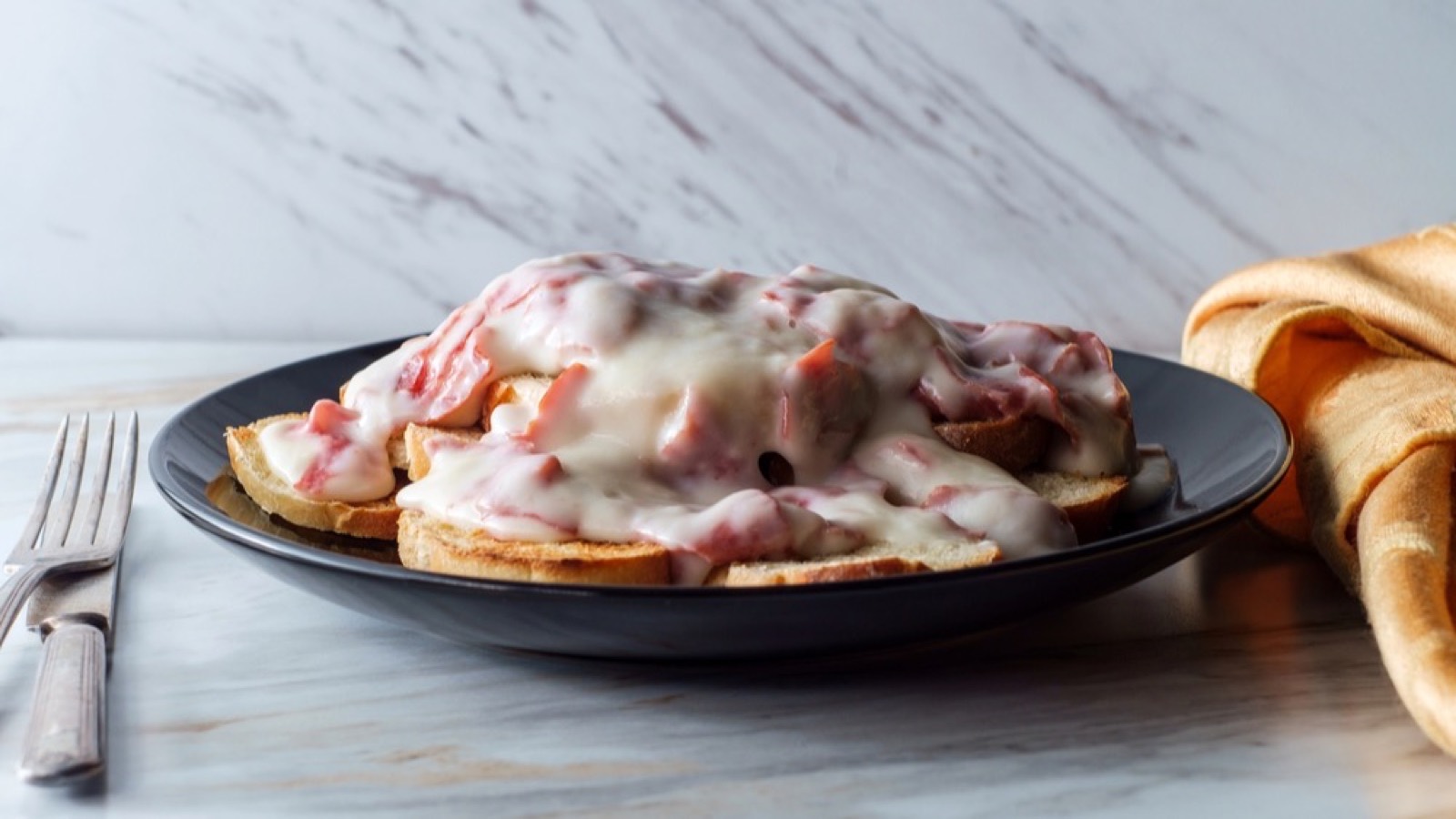
The dish became even more famous in the military, where soldiers gave it a rude nickname that many veterans still use with a laugh. Plenty of boomers grew up eating it at home, too. Today, some diners still serve it for breakfast, and many families make it as comfort food on chilly weekends.
6. Bread Pudding
Nothing was wasted in a Depression kitchen, especially bread. When a loaf went stale, it was torn into pieces and soaked in a mixture of milk, eggs, sugar, and spices, then baked into a warm, custardy pudding. If there were raisins, a few went in. If not, it was still delicious.
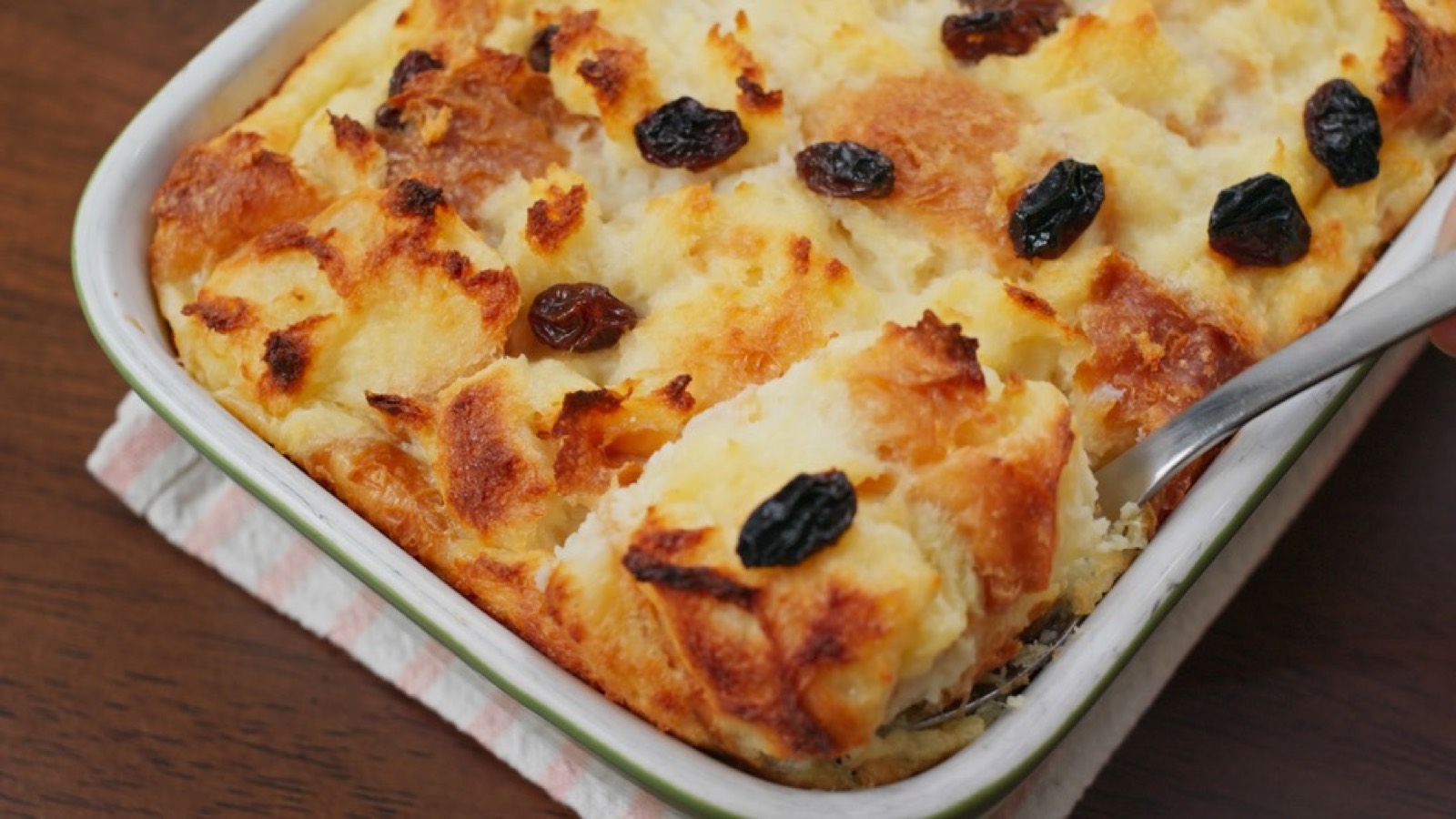
Bread pudding is an old dish that goes back centuries in Europe, but it became a lifeline for American families during the 1930s. Today, it is served in fancy restaurants with whiskey sauce, especially in New Orleans. Many home cooks still make the simple version that Grandma made, using up the end of the loaf.
7. Poor Man’s Meal
This dish was exactly what it sounds like. Potatoes and onions were fried together in a skillet, and if the family could afford it, sliced hot dogs were added. It cost pennies, used basic ingredients, and filled up hungry children.
The dish found a new audience in the 2000s through Clara Cannucciari, a Chicago grandmother who grew up during the Depression. She started a YouTube cooking show called Great Depression Cooking in her 90s, and her poor man’s meal video became one of her most famous. Clara died in 2013 at age 98, but her videos are still watched by people who want to learn how her family survived.
What These Recipes Teach Us
The cooks of the Depression era did not have much, but they were resourceful. They knew how to stretch a pound of meat, how to bake without eggs, and how to turn yesterday’s leftovers into today’s dinner. Those skills helped their families survive, and they shaped the way their children cooked for decades.
Many boomers grew up with parents who saved bacon grease, reused aluminum foil, and never threw out a crust of bread. Those habits boomers picked up from Depression-era parents still show up in kitchens across America. The Library of Congress keeps photos and records from those years that show just how hard daily life could be.
Why Families Still Make Them
Today, many of these dishes are making a comeback as grocery prices rise. Families are looking for meals that are cheap, filling, and easy to make with pantry staples. Depression-era recipes fit that need perfectly, and they come with a story.
For many people, cooking these dishes is also a way to honor their parents and grandparents. Making wacky cake or fried mush can bring back memories of a grandmother’s kitchen and the lessons she taught. It is one reason so many people still turn to pieces of advice from boomers when money gets tight.
Did your family make any of these Depression-era dishes, and which one would you still eat today? Many readers say wacky cake is the one they bake most often.