7 Things Grandparents Feed Grandkids That Drive Parents Crazy
Every parent knows the moment. You pick the kids up from Grandma’s house, and they’re bouncing off the walls, sticky with something sweet, and suddenly not hungry for dinner. When you ask what they ate, Grandma just smiles and says, “Oh, just a little treat.”
For many grandparents, spoiling the grandkids with food is one of the great joys of life. They remember the treats they loved as children and the hard years when there wasn’t enough to go around. Feeding the little ones feels like love. But for parents trying to set rules about sugar, screens, and bedtime, Grandma’s kitchen can feel like a lawless zone.
Most of these disagreements are harmless and even a little funny. A few, though, involve real safety concerns that have changed since today’s grandparents raised their own kids. Here are seven foods and habits that cause the most friction.
1. Candy and Cookies Before Dinner
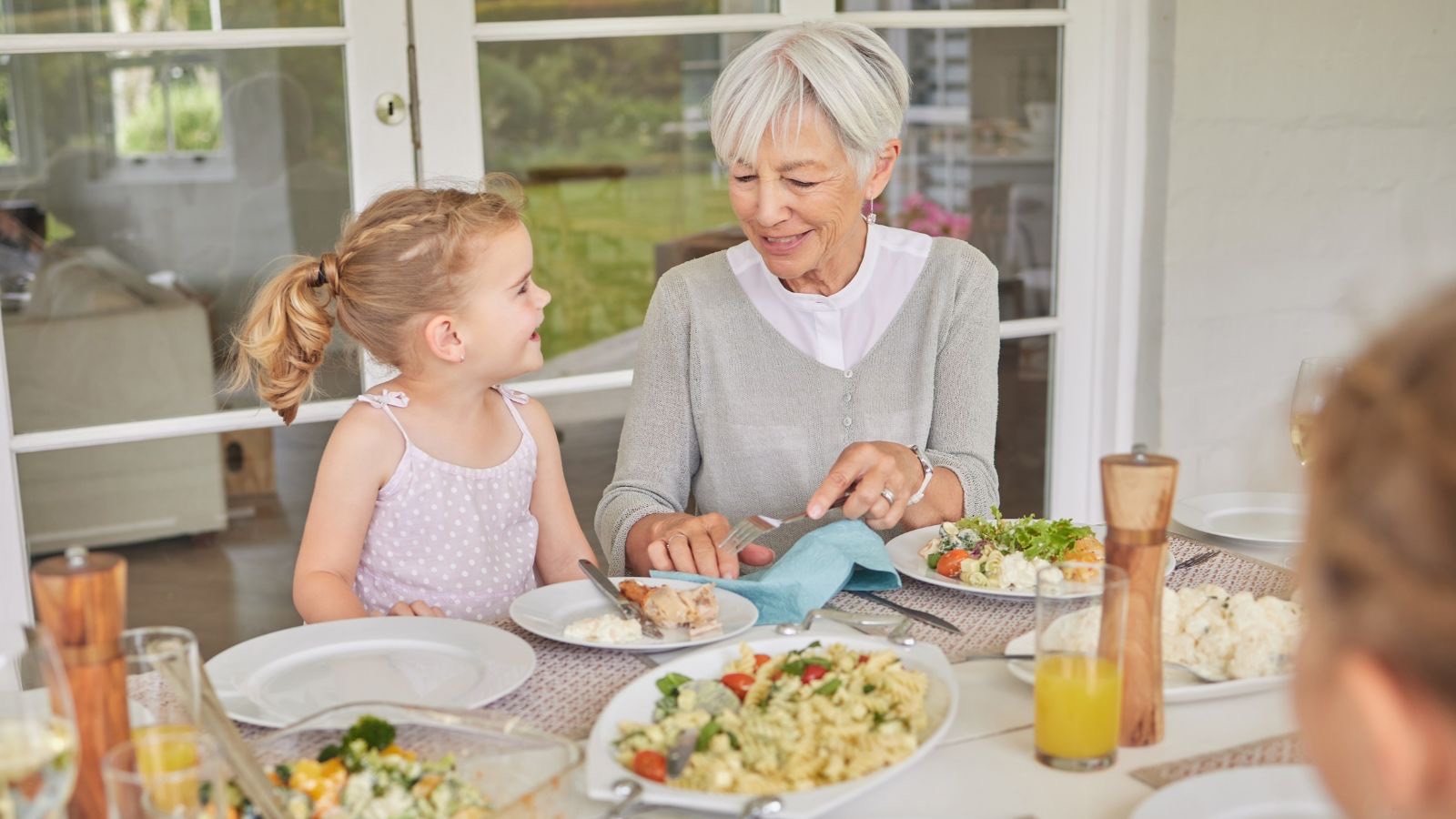
Grandma’s candy dish is legendary, and so is her cookie jar. Many grandparents see no harm in handing out a few sweets whenever the kids ask. After all, they’re only visiting, and the treats make them happy.
Parents, though, often arrive to find kids who won’t touch their dinner. Many families try to work out a simple compromise, such as treats after a meal or a set number of sweets per visit. Most grandparents are willing to go along once they understand the reason.
2. Soda With Every Meal
For many boomers, soda was a special treat that became more common over the years. Some grandparents keep the refrigerator stocked with cola and offer it to grandkids without thinking twice. Others pour coffee with lots of milk and sugar for kids as young as five, just like their own parents did.
Today, many parents limit soda and caffeine for their children. Pediatricians generally recommend water and milk as the main drinks for kids. A can of soda now and then is unlikely to cause harm, but daily soda at Grandma’s house can cause tension.
3. Sugary Cereal for Breakfast
Grandparents often keep the cereals they know their grandkids love, which usually means the most colorful, sugar-packed boxes on the shelf. A sleepover at Grandma’s may mean a bowl of marshmallow cereal for breakfast, which kids see as a huge treat.
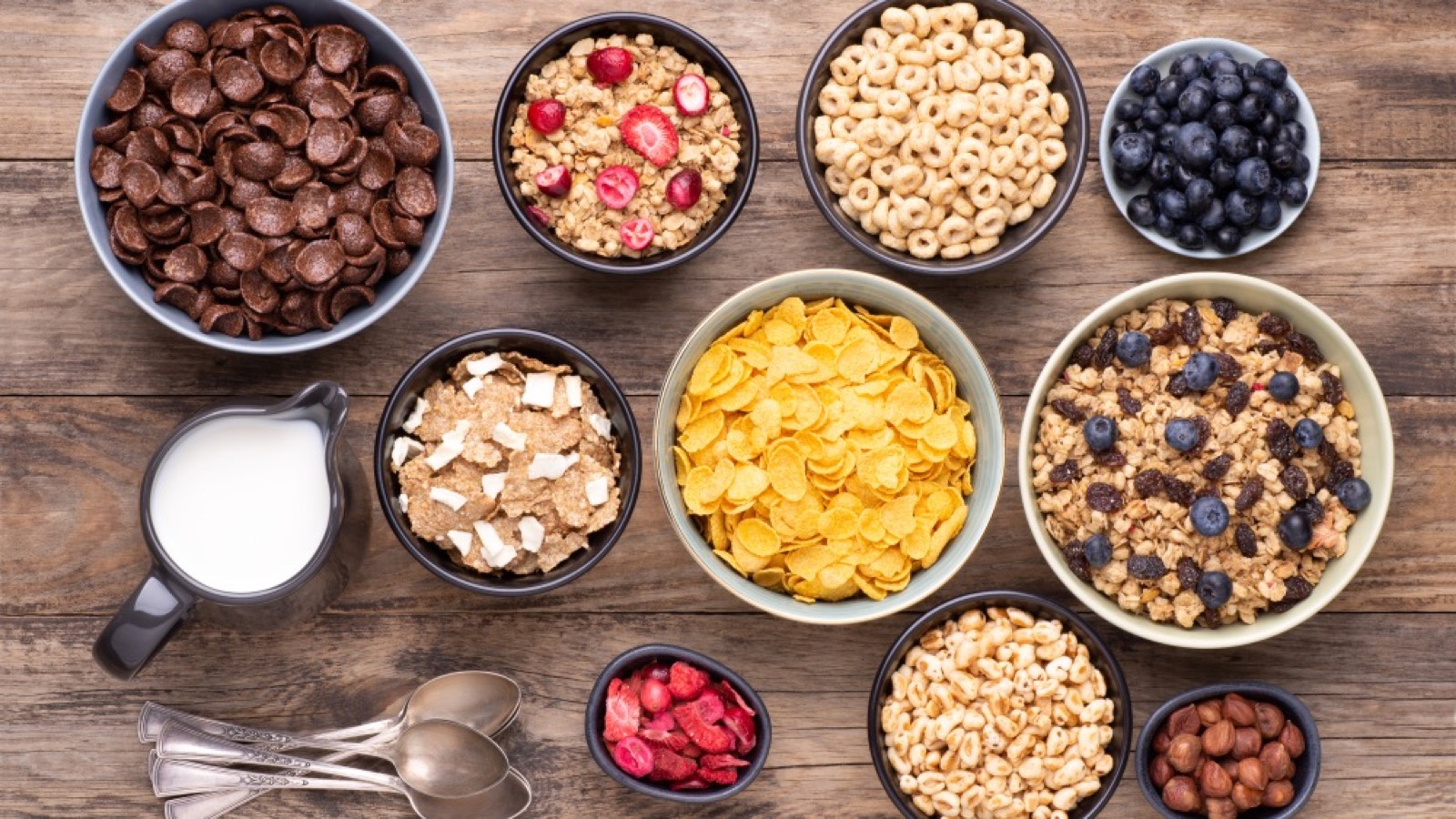
Parents who serve oatmeal and whole-grain cereals at home sometimes cringe. But many families see it as a harmless tradition, as long as it’s only for special visits. It’s one of the easiest disagreements to laugh off.
4. Ice Cream Whenever They Want
Ice cream for breakfast? Ice cream after lunch and after dinner? At some grandparents’ houses, the answer is always yes. Many grandparents remember when ice cream was a rare treat, and they love being the ones to make it happen.
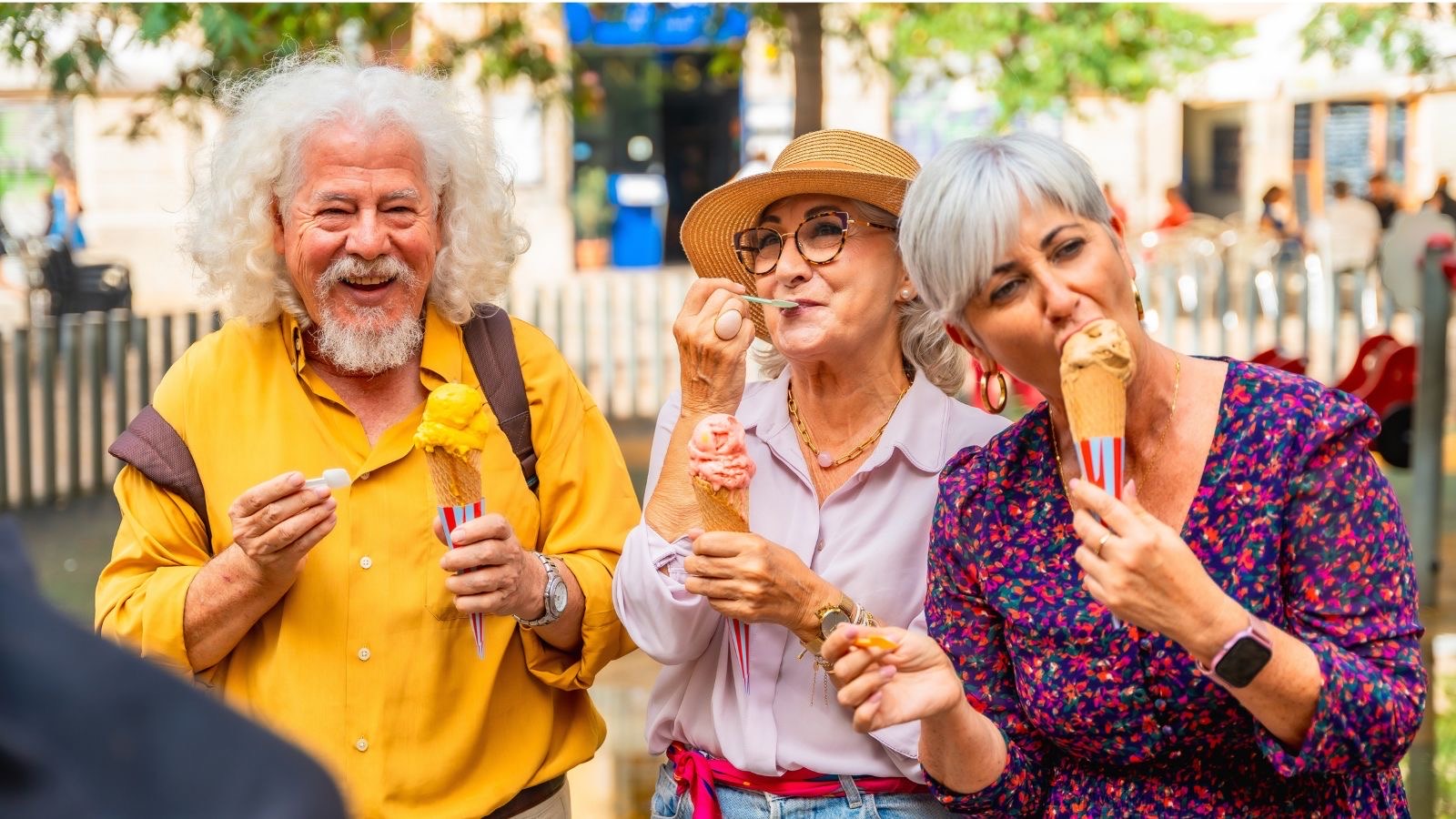
Parents may worry about sugar and bedtime, especially if the kids have ice cream late at night. Some families set gentle limits, such as ice cream only once per visit. Grandparents often agree, as long as they get to keep the special role of the “fun house.”
5. Honey for Babies
This one isn’t about sugar. It’s about safety. Many grandparents remember giving babies a little honey on a pacifier or in a bottle to soothe them, a practice that was common in earlier decades. But doctors now know that honey can cause infant botulism, a rare but serious illness.
The CDC advises that children under 12 months old should never be given honey, even a tiny taste. Parents who know this may feel alarmed if a grandparent offers honey to a baby. A calm conversation usually clears it up, since most grandparents simply didn’t know the advice changed.
6. Whole Grapes and Hot Dog Rounds for Toddlers
Another safety issue that has changed over the years is how food is served to toddlers. Many grandparents gave their own children whole grapes, round hot dog slices, and hard candy without a second thought. Today, pediatricians warn that these foods are among the most common choking hazards for young children.
The American Academy of Pediatrics recommends cutting grapes into quarters and slicing hot dogs lengthwise for small children. Parents who follow this advice may be nervous when a grandparent serves food the old way. Most grandparents are happy to change their habits once they know why.
7. “Clean Your Plate” Rules
Many grandparents grew up with parents who survived the Depression and wartime rationing, and wasting food was not allowed. They were told to clean their plates and think of starving children elsewhere. Some still use the same rule with their grandchildren.
Many parents today prefer to let kids stop eating when they feel full, an approach many pediatricians and dietitians support. When a grandparent insists on a clean plate, it can cause friction. Talking about why the advice has changed can help both sides understand each other.
Why Grandparents Do It
For most grandparents, feeding grandchildren is about love. They want to make the kids happy and create special memories, just as their own grandparents did for them. Many also see themselves as the ones who get to bend the rules, since parents handle the daily discipline.
Grandparents also come from a different time, when advice about food and safety was different. Many of the rules parents follow today didn’t exist when grandparents were raising their own children. Many are also tired, as the babysitting grandmas feeling burned out can attest.
How Families Find a Balance
The best way to handle these disagreements is to talk openly and kindly. Parents can explain their reasons, especially when safety is involved. Grandparents can share their own experiences and feelings. Most families find a compromise that works for everyone.
It also helps to remember that a few extra treats at Grandma’s house won’t ruin a child’s health. Many parents relax the rules for special visits, while sticking firmly to safety advice. It’s a little like the debate over gentle parenting: every generation does things a little differently.
What did your grandparents feed you that your parents didn’t allow, and do you do the same for your own grandkids? Many readers say Grandma’s candy dish was the best part of every visit.