9 Pantry Staples That Are Still Cheap in 2026
Anyone who has pushed a cart through a grocery store lately knows the feeling. You grab the same items you always buy, and the total at the register is higher than you expected. Beef, coffee, and snack foods have all gotten pricier over the past few years, and many families have had to rethink what goes into their carts.
But not everything in the store has become expensive. Some of the simplest pantry staples, the same ones our grandmothers relied on during hard times, are still among the best bargains you can find. They’re filling, versatile, and cost just pennies per serving when you buy them in bulk or choose store brands.
The USDA’s Economic Research Service tracks food prices across dozens of categories, and its reports show how unevenly prices have risen. Here are nine pantry staples that still give you the most food for your money.
1. Dried Beans
Dried beans are one of the cheapest sources of protein you can buy. A one-pound bag of pinto, black, or navy beans makes around ten servings once cooked, and it often costs less than a single can of name-brand soup. Beans are also high in fiber and rich in nutrients like iron and potassium.
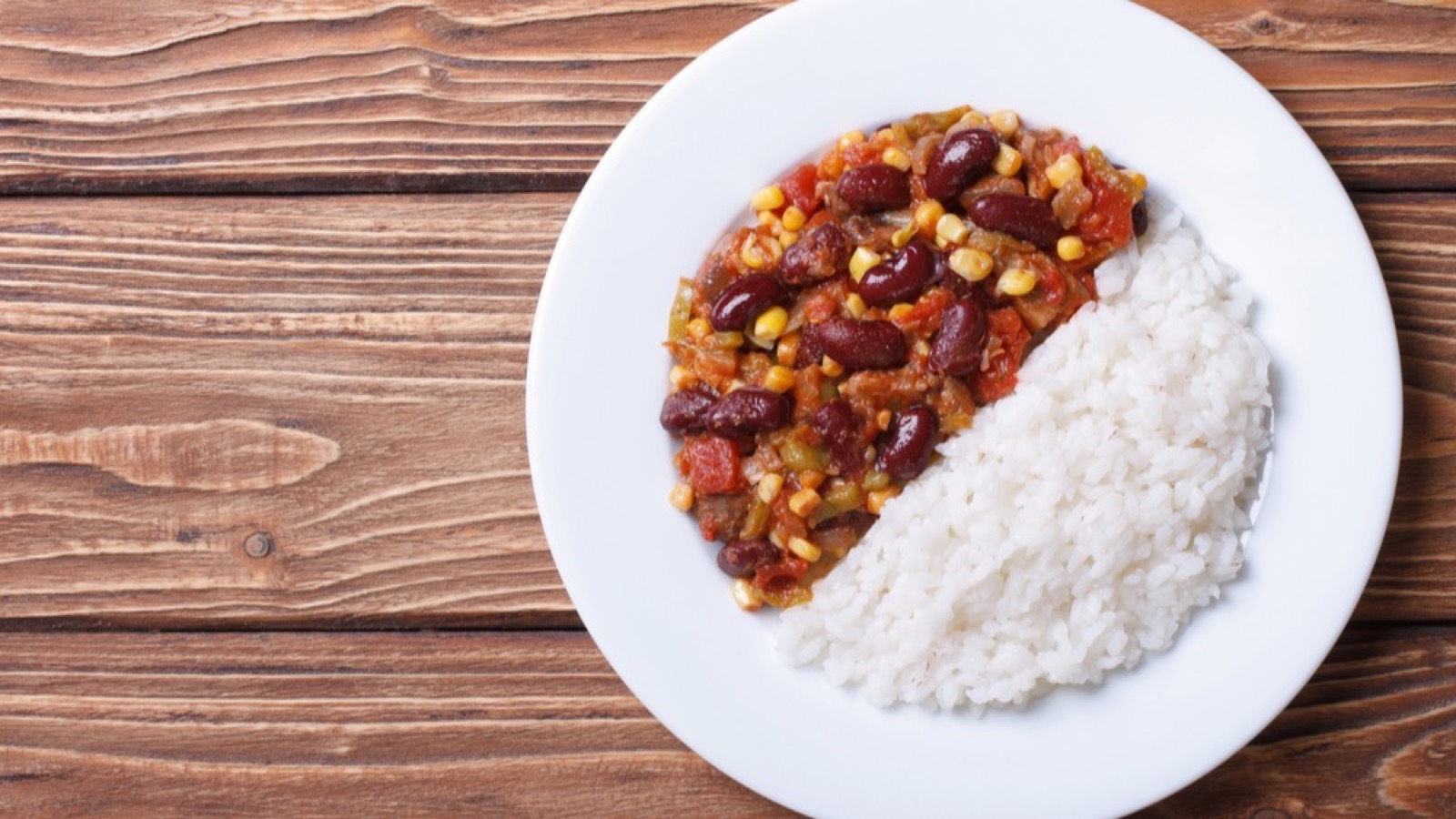
They take a little planning, since most need to soak before cooking, but a slow cooker or pressure cooker makes them easy. Grandmothers made bean soups, baked beans, and chili from dried beans for good reason. They’re still one of the best bargains in the store.
2. Rice
Rice is a staple in kitchens around the world, and it remains one of the cheapest foods per serving. A large bag of white rice can last a family for weeks and goes with almost anything, from stir-fries and casseroles to soups and beans.
Brown rice costs a little more but offers more fiber. Buying rice in larger bags usually lowers the price per pound even further. Stored in an airtight container, white rice can last for a very long time in the pantry.
3. Oats
A canister of old-fashioned or quick oats is one of the best breakfast bargains around. Each serving costs only a small fraction of what most boxed cereals cost, and oats keep you full longer thanks to their fiber.
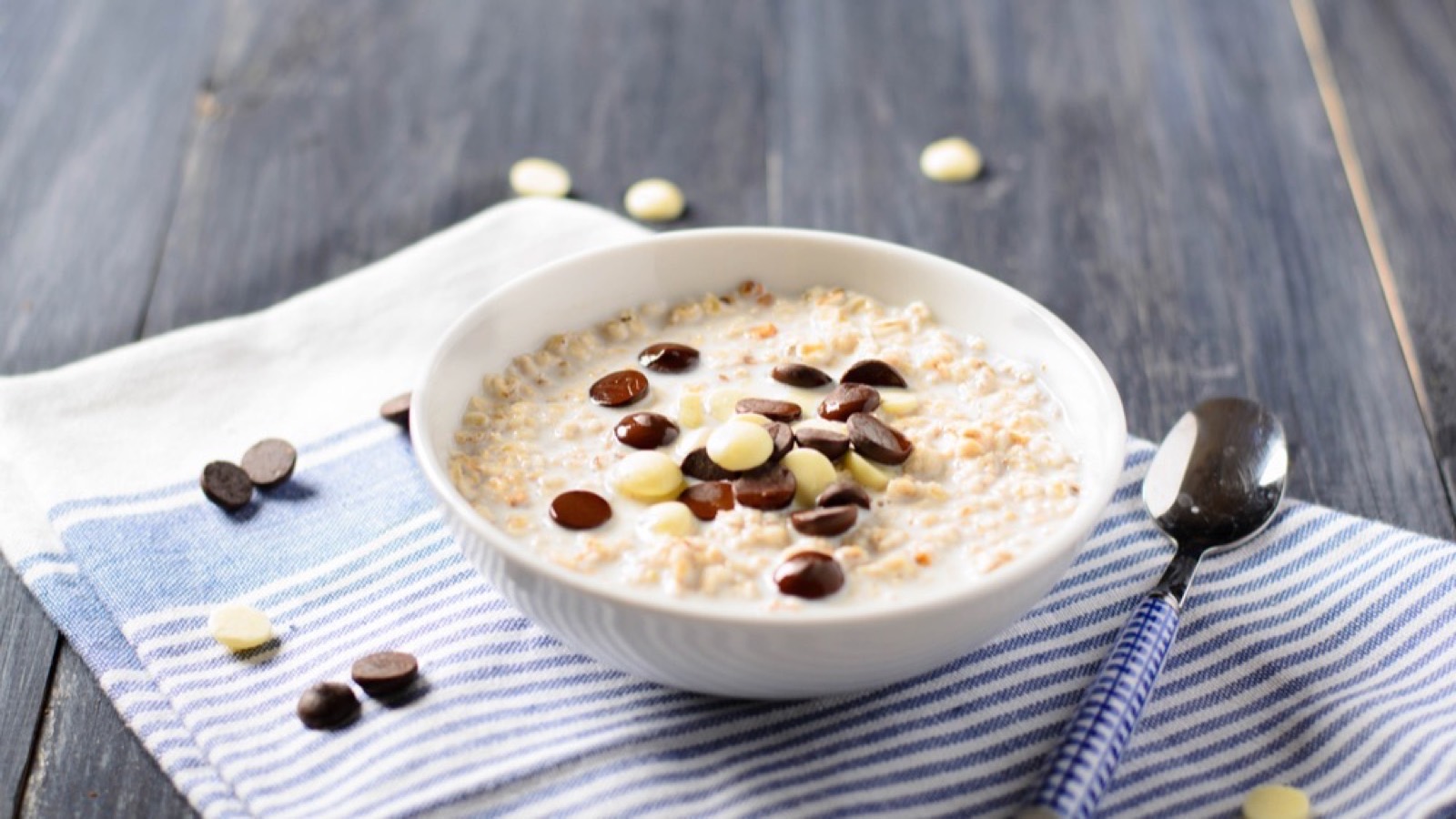
Oats aren’t just for oatmeal. Grandmothers used them in meatloaf, cookies, crisps, and homemade granola. Store-brand oats are usually just as good as name brands and cost even less.
4. Pasta
Dry pasta is still one of the cheapest ways to feed a family. A one-pound box makes several servings and can be turned into spaghetti, macaroni and cheese, pasta salad, or a casserole. It lasts for a long time in the pantry, so it’s easy to stock up when it’s on sale.
Store-brand pasta is often priced well below name brands, and most people can’t tell the difference once it’s cooked and sauced. Pasta is also a great way to stretch a small amount of meat or vegetables.
5. Potatoes
Potatoes are one of the most affordable vegetables in the grocery store, especially when bought in larger bags. They’re filling, nutritious, and can be baked, mashed, roasted, fried, or added to soups and stews. A potato also provides potassium and vitamin C.
Stored in a cool, dark place, potatoes can last for weeks. Many families use them as the base of budget meals, from potato soup to breakfast hash. They’ve been a staple of frugal cooking for generations.
6. Cabbage
Cabbage is one of the cheapest vegetables you can buy, often sold by the pound at a very low price. One head can make several meals, from coleslaw and soups to stir-fries and stuffed cabbage rolls. It’s also rich in vitamins C and K.
Cabbage lasts a long time in the refrigerator, often several weeks, which makes it perfect for stretching a grocery budget. Many families with Eastern European roots grew up eating cabbage in many forms, and it’s starting to get attention again as a budget-friendly vegetable.
7. Peanut Butter
Peanut butter is an inexpensive source of protein and healthy fats. A jar can make many sandwiches and can also be used in sauces, smoothies, and baking. Kids usually love it, which makes it a reliable choice for packed lunches.
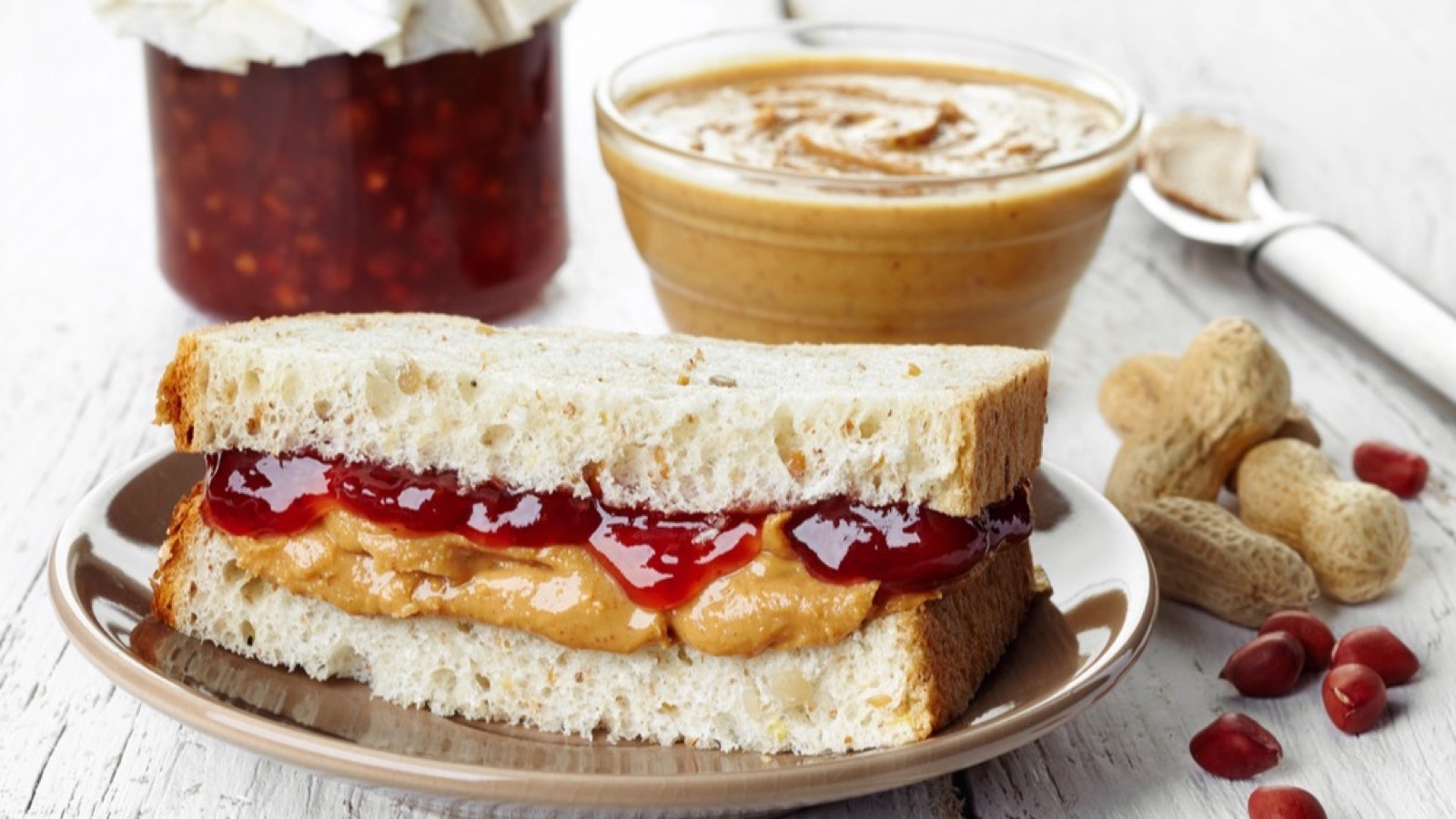
Store brands are often much cheaper than name brands. Peanut butter also lasts a long time once opened, especially natural versions kept in the refrigerator. It’s been a favorite of budget-minded families since the Depression.
8. Flour
All-purpose flour is still one of the cheapest pantry staples. With flour, a few eggs, and some milk or water, you can make pancakes, biscuits, bread, tortillas, and dumplings. Baking from scratch often costs far less than buying bakery goods or packaged mixes.
Many families are rediscovering home baking as a way to save money. Store-brand flour is usually just as good as name brands. Kept in an airtight container, it can last for months.
9. Frozen Vegetables
Frozen vegetables may not be a traditional pantry item, but they’re one of the best bargains in the store. They’re picked and frozen at peak ripeness, so they’re often just as nutritious as fresh vegetables. They also don’t spoil quickly, which means less waste.
Bags of frozen peas, corn, green beans, and mixed vegetables are usually inexpensive, especially store brands. They’re easy to add to soups, casseroles, and stir-fries. Many families keep a few bags on hand at all times.
How to Make the Most of Cheap Staples
The key to saving money with these staples is planning. Build meals around inexpensive foods like beans, rice, and potatoes, and use meat as a flavor rather than the main event. Buying in bulk and choosing store brands can lower costs even further.
Many of these staples were the foundation of Depression-era cooking, when families had to make every penny count. They’re still just as useful today, especially as grocery bills stay high.
The Bottom Line
Food prices may keep changing, but these pantry staples remain some of the best values in the grocery store. They’re versatile, filling, and easy to store. With a little creativity, they can be turned into dozens of satisfying meals.
If you’re looking for ways to cut your grocery bill, start by stocking up on these basics. They’re the backbone of many wallet-friendly hacks that really make a difference.
Which of these pantry staples do you rely on most when money is tight, and what’s your favorite way to use it? Many readers say a pot of beans and rice still saves them every month.