8 Burgers From Old Fast-Food Menus That No Longer Exist
The burger is the backbone of American fast food. Chains have spent decades and millions of dollars trying to build the next big sandwich, the one that will bring in new customers and become a permanent part of the menu. A few have succeeded wildly, like the Big Mac and the Whopper, which are still selling after more than half a century.
Many more burgers came and went. Some were ahead of their time, some were too expensive to make and some were simply strange ideas that never caught on. A few were beloved by loyal fans who still wish they could order one. Here are eight burgers from old fast-food menus that no longer exist, and the stories behind them.
1. McDonald’s Hula Burger
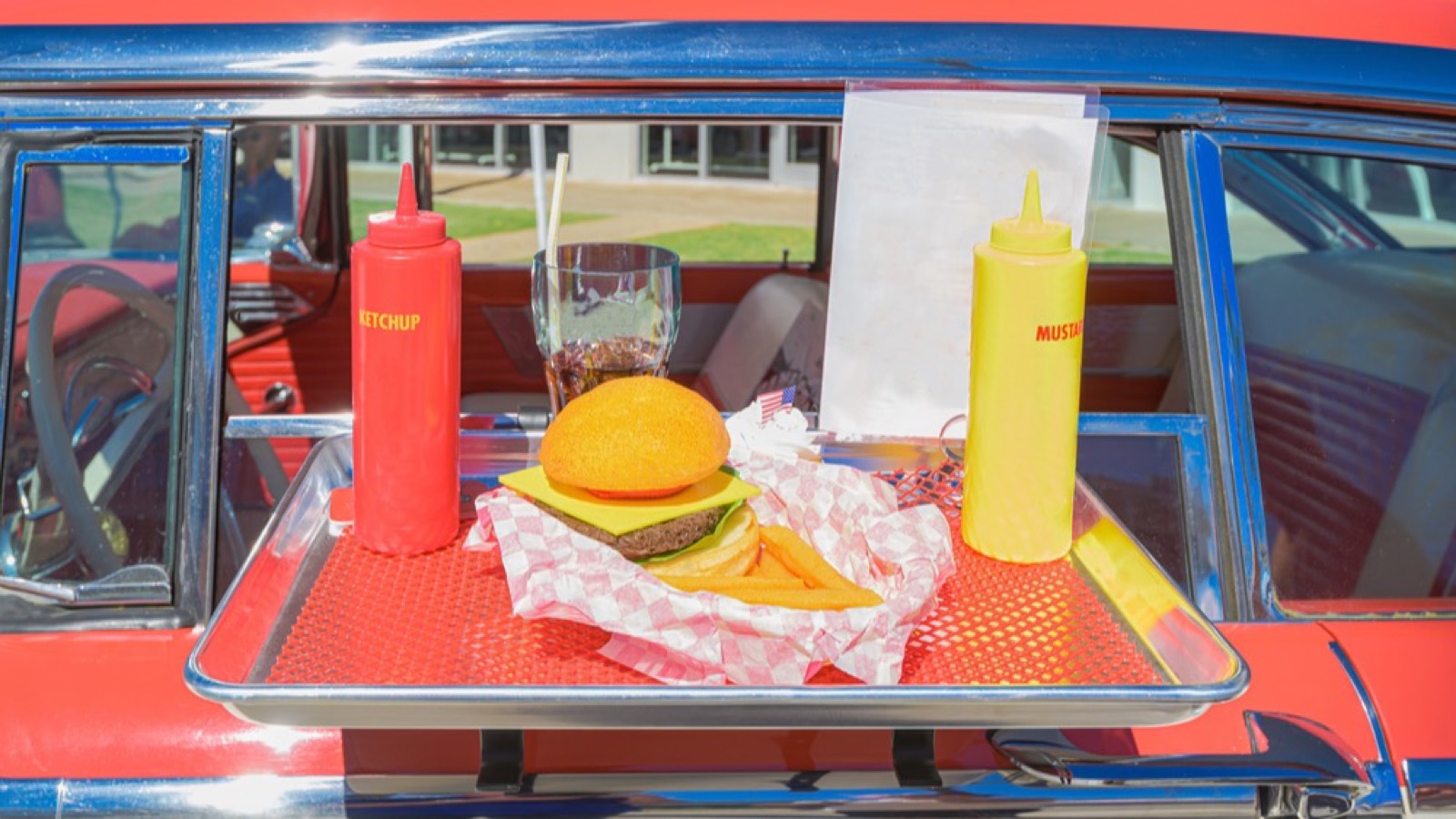
In the early 1960s, McDonald’s founder Ray Kroc came up with the Hula Burger, a meatless sandwich for Catholic customers who didn’t eat meat on Fridays. It was a slice of grilled pineapple with a slice of cheese on a bun. Kroc tested it against the Filet-O-Fish, created by a franchise owner in Cincinnati.
The Filet-O-Fish won easily, and the Hula Burger disappeared. The Smithsonian’s story of the fish sandwich tells how the contest played out. The Hula Burger lives on mainly as a funny piece of fast-food history.
2. The McDLT
The McDLT, introduced in the mid-1980s, came in a two-sided foam container. One side held the hot beef patty on the bottom bun, and the other held the cool lettuce, tomato and cheese on the top bun. Customers put it together themselves, so the hot side stayed hot and the cool side stayed cool.
A young Jason Alexander, later of Seinfeld fame, sang about it in a memorable commercial. But the foam container drew criticism from environmental groups, and McDonald’s phased out foam packaging around 1990. The McDLT disappeared soon after.
3. The Arch Deluxe
In 1996, McDonald’s launched the Arch Deluxe, a burger aimed at adults with a potato-flour bun, peppered bacon and a special mustard-mayo sauce. The company spent a fortune on advertising, including ads showing kids grimacing at the “grown-up” burger.
Despite the hype, customers didn’t bite. The Arch Deluxe is often called one of the most expensive flops in fast-food history, and it’s even featured at the Museum of Failure. Some people who tried it, though, still say it was a good burger.
4. The McLean Deluxe
The McLean Deluxe arrived in 1991, during a time when Americans were worried about fat in their diets. McDonald’s advertised it as a lower-fat burger. The secret was that some of the fat in the patty was replaced with water and a seaweed extract called carrageenan to keep it moist.
Customers weren’t impressed with the taste, and the burger was dropped in the mid-1990s. It’s often remembered as a well-meaning experiment that showed how hard it is to sell “healthy” fast food.
5. McDonald’s Big N’ Tasty
The Big N’ Tasty was a quarter-pound burger with lettuce, tomato, onion, pickles, ketchup and mayonnaise. It was McDonald’s answer to the Whopper and was popular in the late 1990s and 2000s, especially on the dollar menu.
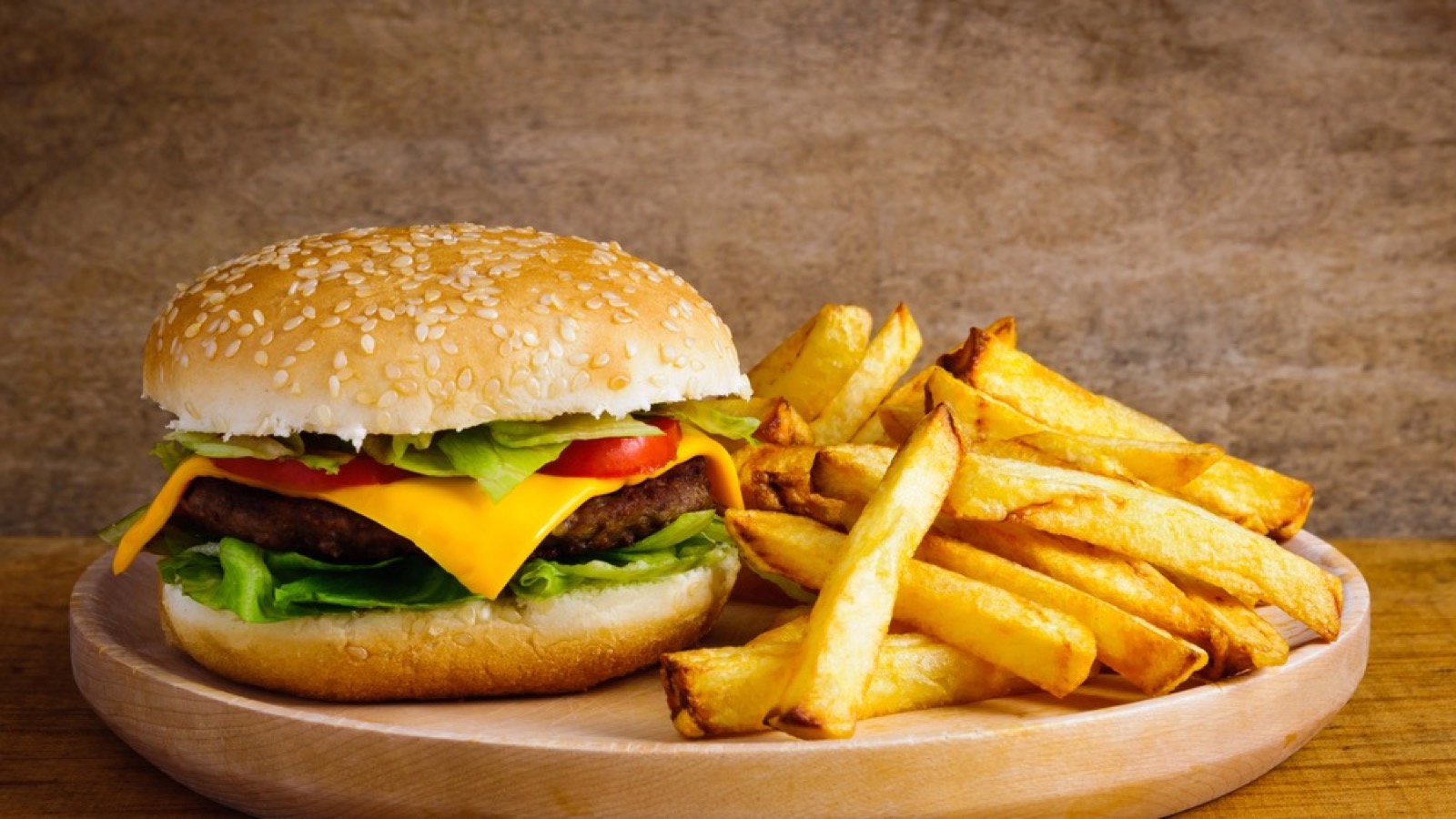
McDonald’s dropped it from most U.S. restaurants in the early 2010s. Fans still miss it and often say it was the best burger the chain made, with a taste closer to a backyard burger than most fast food.
6. Angus Third Pounders
McDonald’s introduced Angus Third Pounders in 2009 as a premium burger line, with thick Angus beef patties and toppings like bacon and cheese or mushrooms and Swiss. They cost more than the chain’s regular burgers and were aimed at customers who wanted a heartier meal.
The Angus burgers were discontinued in 2013, as McDonald’s focused on other products. Many customers liked them, but the high price and slower cooking time made them a tough fit for the fast-food model.
7. Burger Chef’s Big Shef
Burger Chef was once one of the largest burger chains in the country, with more than a thousand locations at its peak in the early 1970s. Its signature sandwich was the Big Shef, a double cheeseburger with a special sauce. Burger Chef was also known for the Funmeal, a kids’ meal that came before McDonald’s Happy Meal.
The chain was sold and its restaurants were converted into Hardee’s locations in the 1980s and 1990s. Burger Chef got a burst of attention when it was featured in the TV show Mad Men, which reminded many viewers of the chain they had forgotten.
8. Wendy’s Big Classic
The Big Classic was a quarter-pound burger served on a Kaiser roll with lettuce, tomato, onion, pickles, ketchup and mayonnaise. Wendy’s introduced it in the 1980s as a premium option, and it became a popular choice for people who wanted a burger with more toppings.
Wendy’s eventually dropped the Big Classic, replacing it with other sandwiches over the years. Longtime Wendy’s customers still remember it as one of the chain’s best.
Why Burgers Disappear
Fast-food chains constantly update their menus to keep customers interested and to stay ahead of competitors. A new burger can be expensive to make, slow down the kitchen or simply fail to attract enough buyers. Even burgers that sell well can be cut if they don’t sell well enough.
The history of McDonald’s itself, told by Britannica, shows how quickly menus can change as the company responds to new tastes and trends. Chains have also learned that bringing back an old favorite can create a lot of buzz.
The Rise of the Fast-Food Burger
The modern fast-food burger traces back to the 1940s and 1950s, when the McDonald brothers streamlined their California restaurant around a short menu and speedy service. Ray Kroc later turned the idea into a national chain, and competitors like Burger King and Wendy’s followed with their own takes.
As the chains grew, they competed fiercely for customers, which led to a steady stream of new burgers. Some were inspired by regional favorites, while others were designed to grab headlines. That competition is why so many burgers have come and gone over the decades, leaving behind a long list of menu items people still remember.
The Burgers That Survived
While many burgers have come and gone, some have lasted for decades. The Big Mac, introduced nationally in 1968, and the Whopper, which dates back to 1957, are still bestsellers. Their staying power shows that sometimes simple is best.
For many people, though, the burgers that disappeared are a reminder of the past. Which of these old burgers do you remember, and which one would you order today if it came back?