8 Foods People Over 60 Say They’ve Stopped Eating, and Why
Ask a group of people in their 60s and 70s about their eating habits, and many will tell you they’ve quietly dropped a few old favorites. Sometimes it’s because a doctor or pharmacist warned them about a medication. Other times it’s because their stomach simply doesn’t handle certain foods the way it used to.
There are real, science-based reasons behind many of these changes. As we age, our bodies process food and medicine differently, and our immune systems don’t fight off germs quite as well. The FDA notes that people 65 and older are at higher risk of hospitalization and death from foodborne illness, partly because the stomach may not produce enough acid to limit harmful bacteria. Here are eight foods many older adults have stopped eating or cut way back on, and the reasons behind each one.
1. Grapefruit and Grapefruit Juice
For years, a glass of grapefruit juice or half a grapefruit was a classic part of the American breakfast. Many older adults have given it up because of how it interacts with common medications. According to the FDA, grapefruit juice can interfere with drugs including some cholesterol-lowering statins, such as simvastatin and atorvastatin, and some blood pressure medicines.
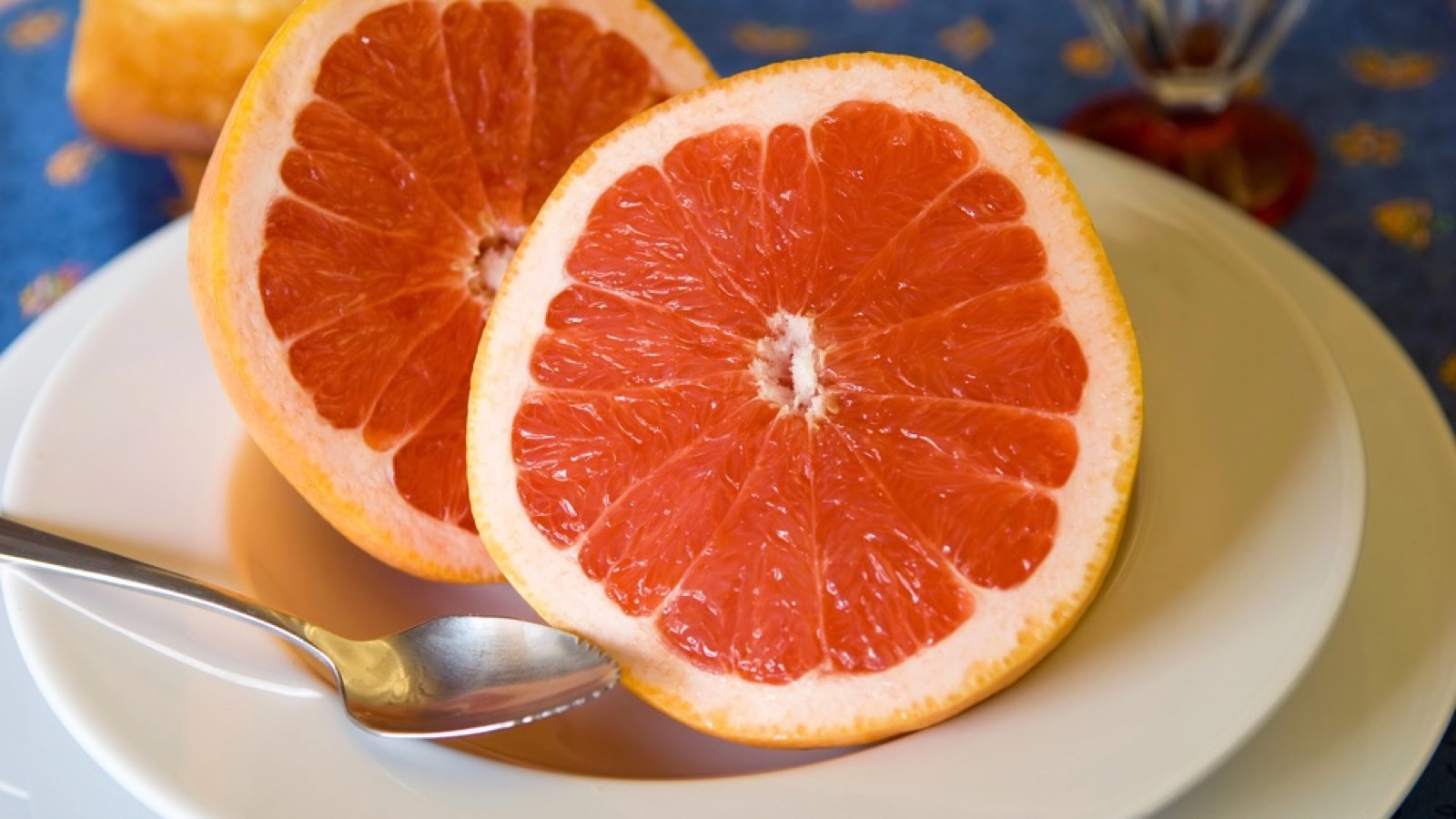
The juice can block an enzyme in the small intestine that helps break down these medicines, so too much of the drug can stay in the body. With certain statins, the FDA warns that this can raise the risk of liver and muscle damage. The agency adds that Seville oranges, pomelos and tangelos may have the same effect, so it’s worth asking your pharmacist about any other drinks that interfere with your prescriptions.
2. Cold Deli Meats and Hot Dogs Straight From the Package
A cold-cut sandwich or a hot dog eaten cold used to be an easy lunch. But many older adults now heat these foods first or skip them altogether. The concern is Listeria, a bacteria that can grow even in the refrigerator and is especially dangerous for adults 65 and older.
The CDC’s Listeria guidance advises higher-risk groups, including older adults, to avoid unheated deli meat, cold cuts, hot dogs and dry sausages. Instead, the agency recommends reheating them to 165°F or until steaming hot. The CDC also lists premade deli salads, such as store-bought chicken or tuna salad, as foods to avoid in favor of homemade versions.
3. Raw Sprouts
Alfalfa and bean sprouts were a health-food favorite in the 1970s and ’80s, piled onto sandwiches and salads. Today, many people over 60 have stopped eating them raw. Sprouts grow in warm, humid conditions that are also ideal for bacteria.
The FDA explains that sprouts are grown from seeds, and if even a few harmful bacteria are present, they can multiply to high levels during sprouting. That includes Salmonella, Listeria and E. coli, according to the agency’s guide to serving produce safely. Cooking sprouts thoroughly reduces the risk, which is why many older adults now add them to stir-fries instead of salads.
4. Raw Oysters
Raw oysters on the half shell are a treat for many seafood lovers, especially on the coasts. Yet a growing number of older adults have decided the risk isn’t worth it. Raw shellfish can carry Vibrio bacteria, which can cause serious illness.
The CDC says most people get Vibrio infection by eating raw or undercooked shellfish, particularly oysters. The agency estimates about 80,000 cases of vibriosis happen in the United States each year. People with liver disease, diabetes or weakened immune systems are at higher risk of severe illness, so many choose fried, baked or grilled oysters instead.
5. Runny Eggs
Sunny-side-up eggs with a soft, runny yolk were a weekend breakfast tradition in many homes. Many older adults now cook their eggs until the yolk is firm. The reason is Salmonella, which can be present inside eggs even when the shell looks perfectly clean.
The FDA’s egg safety guidance says older adults are among those at greater risk of serious illness from Salmonella. It recommends cooking eggs until both the yolk and white are firm, and cooking egg casseroles to 160°F. Homemade eggnog, Caesar dressing and cookie dough made with raw eggs are other foods many people over 60 have let go.
6. Soft Cheeses Like Queso Fresco
Fresh, soft cheeses are another food many older adults have stopped eating, or eat only when they’re cooked. Like deli meats, they can carry Listeria. The risk is highest with cheese made from raw, unpasteurized milk.
The CDC advises higher-risk groups to avoid unheated queso fresco and similar fresh, soft cheeses, even when made with pasteurized milk. Hard cheeses like cheddar, Parmesan and Swiss made with pasteurized milk are considered safer choices. Many people now enjoy queso fresco melted in a hot dish rather than crumbled cold over a salad.
7. Salty Canned Soups and Processed Foods
Canned soups, boxed dinners, frozen meals and salty snacks were once the backbone of quick weeknight dinners. Many people over 60 have cut way back on them after a doctor raised concerns about their blood pressure. Sodium is a hidden ingredient in many processed foods.
The CDC says Americans eat more than 3,300 milligrams of sodium a day on average, well above the federal recommendation of less than 2,300 milligrams. Most of it comes from processed and restaurant foods. Eating too much sodium can raise blood pressure and the risk of heart disease and stroke, so many older adults now cook from scratch more often and choose low-sodium labels.
8. Heavy, Spicy Late-Night Meals
A big plate of spicy chili or fried food late in the evening may have been no problem at 30. At 65, it can mean a night of heartburn. Many older adults say they’ve stopped eating rich, greasy or spicy meals close to bedtime.
The National Institute of Diabetes and Digestive and Kidney Diseases lists high-fat foods, spicy foods, chocolate, coffee, alcohol and acidic foods like tomatoes and citrus as common reflux triggers. It also notes that eating at least three hours before lying down may improve nighttime symptoms. Many people find that an earlier, lighter dinner helps them sleep better.
Why Our Bodies Change With Age
Many of these choices come down to how the body changes over time. The digestive system can hold food longer, giving bacteria more time to grow, and the immune system may not respond as quickly to germs. At the same time, older adults are more likely to take daily medications that can interact with certain foods.
That doesn’t mean these foods are dangerous for everyone or that you must give them up forever. It means the risks are higher, and small changes can make a big difference. Reheating, cooking thoroughly and reading labels let many people keep enjoying the flavors they grew up with, including many of the foods boomers loved as kids.
Talk With Your Doctor or Pharmacist
If you take prescription medicine, it’s a good idea to ask your pharmacist whether any foods or drinks could interact with it. Pharmacists can quickly check your medication list and explain which foods to limit. Many prescription labels also include food warnings that are easy to overlook.
Your doctor can also help you decide which foods make sense for your health, especially if you have diabetes, heart disease or digestive problems. Everyone’s needs are different, and food choices should fit your own health and lifestyle. Have you stopped eating any of these foods as you’ve gotten older, and what made you decide to change?