Food Companies Are Quietly Removing Artificial Dyes: Here’s What’s Changing in Your Grocery Cart
If your kids’ cereal looks a little paler than it used to, or the strawberry milk seems more pink than red, you are not imagining it. Across the grocery store, some of America’s biggest food brands have been swapping out synthetic dyes for colors made from fruits, vegetables and plants. Many of these changes happened without a big announcement on the box.
The shift picked up speed after federal regulators asked the food industry to move away from petroleum-based colors. Since then, dozens of companies have made pledges, a handful have already finished and a few states have passed laws of their own. Some of those state laws are now tied up in court.
So what is actually changing, which brands have made the switch and what comes next? Here is a clear look at where things stand as of November 2026, using the government’s own tracker and the latest reports.
How the Federal Push Began
On April 22, 2025, the U.S. Department of Health and Human Services and the Food and Drug Administration announced a national plan to phase out petroleum-based food dyes, known as certified color additives. According to the FDA’s pledge tracker, the agency is working with manufacturers, retailers and trade groups to eliminate six common dyes by the end of 2027. Those are Red No. 40, Yellow No. 5, Yellow No. 6, Blue No. 1, Blue No. 2 and Green No. 3.
It is important to know that this part of the plan is largely voluntary. The FDA is not banning those six dyes outright, and groups like the Center for Science in the Public Interest, which runs its own dye commitment tracker, have criticized some pledges as limited or vague. Instead, the FDA has leaned on companies to make commitments and posts their progress publicly.
Red No. 3 Has a Firm Deadline
One dye is on a stricter timeline. On January 15, 2025, the FDA revoked its authorization of Red No. 3 for use in food, giving manufacturers until January 15, 2027, to remove it. The agency has encouraged companies to drop it even sooner.
The FDA also finalized the revocation of an older dye called Orange B and proposed revoking Citrus Red No. 2. At the same time, it approved several new natural options, including gardenia blue, butterfly pea flower extract, galdieria extract blue, calcium phosphate and beetroot red. The agency also gave companies more freedom to say “no artificial colors” on labels when they use colors from natural sources.
Brands That Say They’ve Finished
Several big names are already marked complete on the FDA tracker, which was last updated in October 2026. Nestlé USA says it has eliminated synthetic FD&C colors from its entire U.S. food and beverage lineup. Campbell’s says it no longer produces foods or drinks with these colors, covering brands such as Lance crackers, V8 Splash and Archway cookies.
Tyson Foods finished removing the dyes from brands including Jimmy Dean and Hillshire Farm, and Target removed them from all the cereal it sells. Sam’s Club has cleared them from its Member’s Mark products, In-N-Out removed them from its strawberry shakes and pink lemonade, and Welch’s Fruit Snacks maker PIM Brands is marked complete too. According to FoodNavigator, WK Kellogg also announced in August 2026 that it had finished removing petroleum-based dyes from its cereals, about a year ahead of schedule.
Big Brands Still Working on It
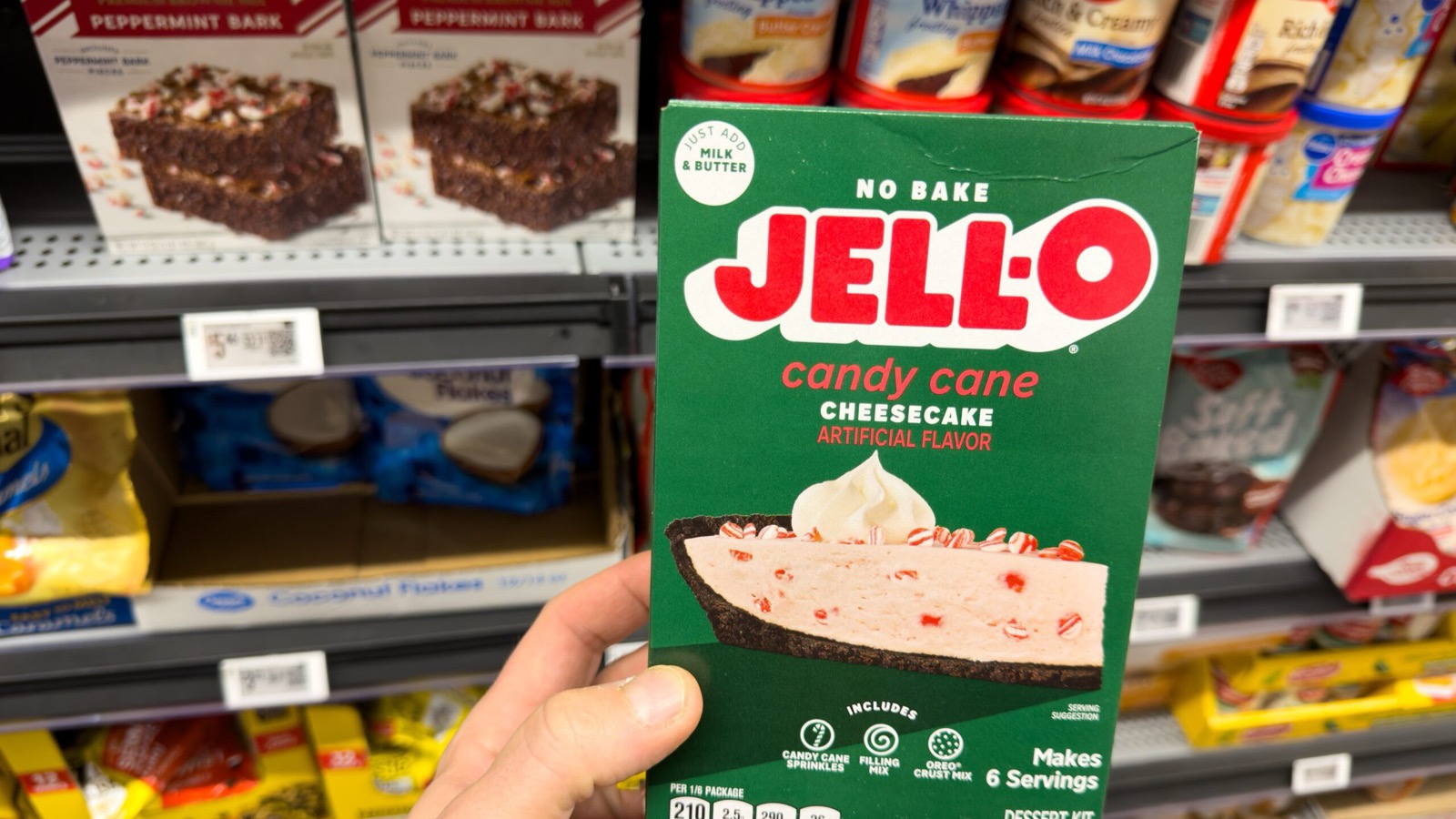
Many of the most familiar names in your pantry are still in progress. General Mills, maker of Trix, Cinnamon Toast Crunch and Betty Crocker products, pledged to remove certified colors from all U.S. cereals and K-12 school foods by summer 2026 and from its full retail lineup by the end of 2027. Kraft Heinz has committed to removing them from Kool-Aid, Jell-O, Crystal Light, MiO and Jet-Puffed by the end of 2027.
PepsiCo has launched new colorless Cheetos and Doritos made without artificial dyes, which the tracker lists as complete. Its Gatorade changes are still underway, with fruit punch, lemon lime and orange flavors scheduled for fall 2026. Hershey, J.M. Smucker, Conagra, Kellanova, McKee Foods (maker of Little Debbie) and Utz have all set end-of-2027 targets for their products.
Mars is a special case. Its FDA tracker entry for M&M’s, Skittles Original, Starburst and Extra gum says the company will offer product options without certified colors starting in 2026, and that pledge is marked complete. That means shoppers may see dye-free versions on shelves, but it does not mean the classic versions have disappeared.
Store Brands Are Changing Too
The store brands in your cart are shifting as well. Walmart is removing certified colors and more than 30 other ingredients from its private brand foods, including Great Value and Marketside, with a target of January 2027. You can read more about that change in this look at Walmart’s store brands.
Save A Lot plans to remove Red No. 3 from its private-label items by the end of 2026 and reformulate the rest by the end of 2027. Grocery shoppers who stick to store brands may notice new packaging that highlights colors “from natural sources.” The colors themselves may look a little different too.
What the States Are Doing
Some states decided not to wait for Washington. West Virginia banned seven synthetic dyes from school meals starting in August 2025, and a statewide sales ban was set to begin January 1, 2028. In December 2025, a federal judge blocked enforcement of the statewide sales ban after finding the law likely too vague, though the school meal rules remain in place, according to Food Safety News.
Texas took a different approach with a law that would require warning labels on foods containing any of 44 listed ingredients, including FD&C dyes, for labels developed on or after January 1, 2027. On February 11, 2026, a federal court blocked the state from enforcing that warning requirement against the four trade groups that sued and their members, according to law firm Covington & Burling. The case is still moving through the courts.
California went after school food specifically. The California School Food Safety Act bans Red No. 40, Yellow No. 5, Yellow No. 6, Blue No. 1, Blue No. 2 and Green No. 3 from food served in public schools, starting December 31, 2027, as NBC News reported when the law was signed. Food brought from home is not covered.
What You’ll Notice at the Store
For most shoppers, the change will show up in small ways. Candy, cereal and frosting may look softer or more muted, and some bright blue or neon green treats may disappear or be reformulated. Ingredient lists will increasingly name colors like beet juice, turmeric, spirulina extract or paprika instead of numbered dyes.
Because so many pledges run through the end of 2027, the same product may look different from one shopping trip to the next as old stock sells out. Shoppers who want to know what is in a product can still check the ingredient list on the back of the package. The numbered FD&C names are easy to spot.
The Bottom Line
Artificial dyes are not vanishing overnight, but the grocery store is clearly changing. Red No. 3 faces a firm federal deadline in January 2027, many major brands have promised to drop the other synthetic dyes by the end of 2027, and several have already done it. State laws in West Virginia, Texas and California add even more pressure, even as some of them are fought out in court.
Have you noticed your favorite cereal, candy or snack looking different lately? Do you like the change, or do you miss the bright colors you grew up with? Tell us in the comments.