Should You Tip When Picking Up Takeout? Here’s What Restaurant Workers Really Think
You order dinner, drive to the restaurant, find parking, and walk inside to collect your food. The employee hands you a bag, turns the payment screen around, and suddenly you face a familiar question: Would you like to leave a 20% tip?
For many customers, this moment has become increasingly uncomfortable. After all, you did not dine inside, nobody served you at a table, and you handled the transportation yourself. So why should you feel obligated to leave a tip?
The answer is not as straightforward as some people think. Traditional American tipping etiquette does not require customers to tip for ordinary takeout pickup. However, restaurant workers have different opinions about what deserves recognition, especially when preparing an order involves more work than simply handing over a bag.
Here is what etiquette experts, restaurant employees, and consumer surveys reveal about the ongoing debate.
Is Tipping on Takeout Actually Required?
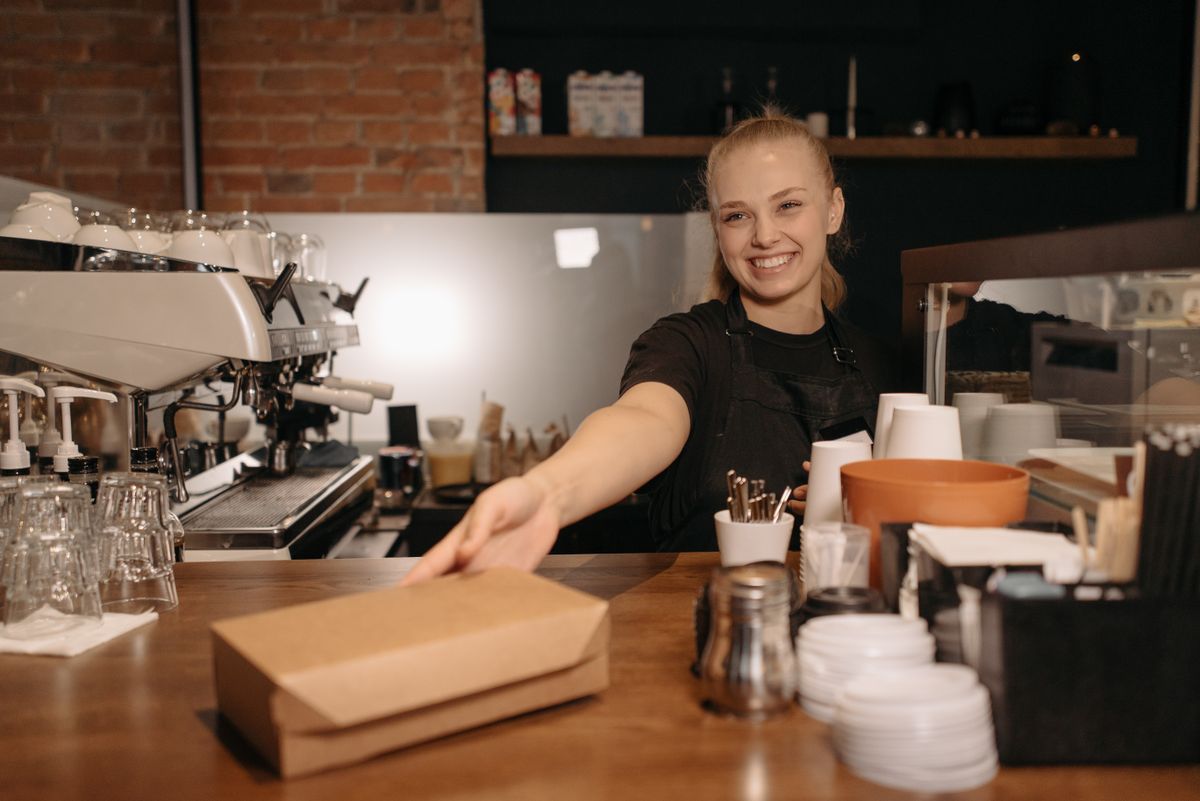
The first thing customers should understand is that picking up food is not traditionally treated the same way as sitting down for restaurant service.
According to the Emily Post Institute’s general tipping guide, you’re not obligated to tip when picking up ordinary takeout orders. The organization recommends considering a 10% tip for curbside service or large, complicated orders.
For comparison, its recommended range for sit-down restaurant service is 15% to 20% before tax.
The difference comes down to the service involved. When dining inside a restaurant, customers typically receive ongoing attention, including taking their orders, refilling drinks, and bringing meals to the table.
With ordinary takeout, customers generally collect their food and leave.
That does not mean restaurant employees cannot appreciate a tip. It simply means customers should not automatically assume that the same tipping expectations apply to every type of restaurant transaction.
Restaurant Workers Do Not All Agree About Takeout Tips
Interestingly, restaurant workers themselves have different opinions about whether customers should leave something extra when collecting food.
In a discussion on Reddit’s r/TalesFromYourServer, a person identifying as a cashier at a Thai restaurant explained that tips were shared among the cashier, busser, and kitchen staff.
The worker said a tip was appreciated but also explained that they did not mind when customers chose not to leave one.
Other restaurant employees take a different position. Some argue that preparing takeout orders involves considerable work that customers never see.
In another Reddit discussion, a worker explained that their responsibilities included carefully packing every item, checking the order for mistakes, and making sure requested condiments were included.
This disagreement highlights an important point. Not every takeout order involves the same amount of work.
A simple order picked up at the counter may require little additional attention. A complicated family order with multiple meals, special instructions, and several containers can involve considerably more preparation.
Preparing Takeout Can Involve More Work Than Customers Realize
From the customer’s perspective, collecting food may seem like a quick transaction. However, restaurant employees may have already spent time organizing the order before the customer arrives.
Restaurant owner Brandon Dorsky explained this in an interview with Chowhound. He pointed to the additional work involved in packaging food, adding utensils and condiments, checking order contents, and handling special precautions when customers identify allergies.
These responsibilities can take time, particularly when employees are also managing other restaurant duties.
For servers, takeout orders may also compete with the attention they need to give customers dining inside. A worker handling phone calls and preparing pickup orders may temporarily step away from other responsibilities.
That is one reason some employees believe a voluntary tip is a reasonable way to recognize additional effort.
Still, extra work does not automatically establish a mandatory tipping percentage. The circumstances surrounding each order matter.
More Americans Are Experiencing Tipping Fatigue
The debate over takeout tips is happening alongside growing frustration with tipping culture in general.
A 2025 Bankrate survey found that 41% of American adults believed tipping culture had gotten out of control.
The survey also found that 63% expressed at least one negative opinion about tipping. Additionally, 38% said they disliked pre-entered tipping screens, while 27% reported that these screens caused them to tip less or not tip at all.
These findings covered tipping generally, not just restaurant pickup orders. Nevertheless, they help explain why customers are becoming more uncomfortable with automatic tipping requests.
The same survey found that only 12% of Americans who used takeout services always tipped when collecting their food.
For comparison, 70% of sit-down restaurant customers said they always tipped, while 18% of coffee-shop customers said they always tipped.
This does not mean the remaining takeout customers never leave tips. Some may tip occasionally, depending on the restaurant, order size, or service they receive.
However, the figures show that regularly tipping for takeout is much less common than tipping for traditional table service.
When Does Leaving a Takeout Tip Make Sense?
Although customers are not generally required to tip for ordinary pickup, there are situations where leaving something extra can be a thoughtful gesture.
Consider ordering food for a large family gathering or office meeting. The restaurant may need to prepare multiple meals, organize several containers, label different orders, and check that everything is included.
Curbside pickup can also involve additional work because employees bring the order directly to the customer’s vehicle.
The Emily Post Institute identifies large, complicated orders and curbside service as situations where tipping around 10% may be appropriate.
Etiquette expert Diane Gottsman offered additional guidance in a May 2026 interview with Allrecipes. She suggested customers consider a couple of dollars, or up to 15%, for curbside service, depending on the order size and effort involved. For large orders requiring exceptional attention, she suggested approximately 15%.
These are recommendations, not compulsory charges. Customers can consider the circumstances rather than automatically selecting the highest percentage displayed on a payment screen.
Do Takeout Tips Actually Go to the Person Helping You?
Another question worth considering is who receives the money when you leave a tip. Many customers assume that the employee standing at the counter automatically receives everything. However, restaurant tipping arrangements can be more complicated.
Some establishments operate tip pools in which eligible employees share gratuities. Depending on the arrangement, this may include workers who prepare and organize orders.
Under U.S. Department of Labor rules, employers cannot keep employees’ tips, and managers generally cannot participate in employee tip pools.
The rules governing which employees can participate depend on the applicable wage and tip-pooling arrangements. State laws may also provide additional protections.
If you want to know where your takeout tip goes, you can ask the restaurant about its policy rather than assuming the person at the register keeps everything.
So, Should You Tip When Picking Up Food?
Ultimately, tipping for ordinary takeout remains a personal choice under established American etiquette.
If you walk into a restaurant, collect a prepaid meal, and leave, there is no traditional obligation to add a gratuity. However, if employees have gone out of their way to organize a complicated order, provide curbside service, or accommodate special requests, leaving something extra can be a meaningful way to show appreciation.
Customers should also remember that a suggested tip on a payment screen is not automatically a requirement.
There is room to appreciate restaurant workers without treating every purchase as a mandatory tipping opportunity. The most reasonable approach is to consider the service provided, your budget, and the circumstances surrounding your order.