7 Restaurant Habits Retirees Picked Up After They Stopped Working
Retirement changes almost everything about daily life, including how people eat out. Without the rush of work schedules, many retirees approach restaurants differently than they did during their working years. They have more time, more flexibility and often a sharper eye for value.
These new habits are not just about saving money, although that plays a part. They also reflect a slower pace of life and a chance to enjoy meals in new ways. Here are some of the restaurant habits retirees say they picked up after they stopped working, along with why these changes make dining out more enjoyable.
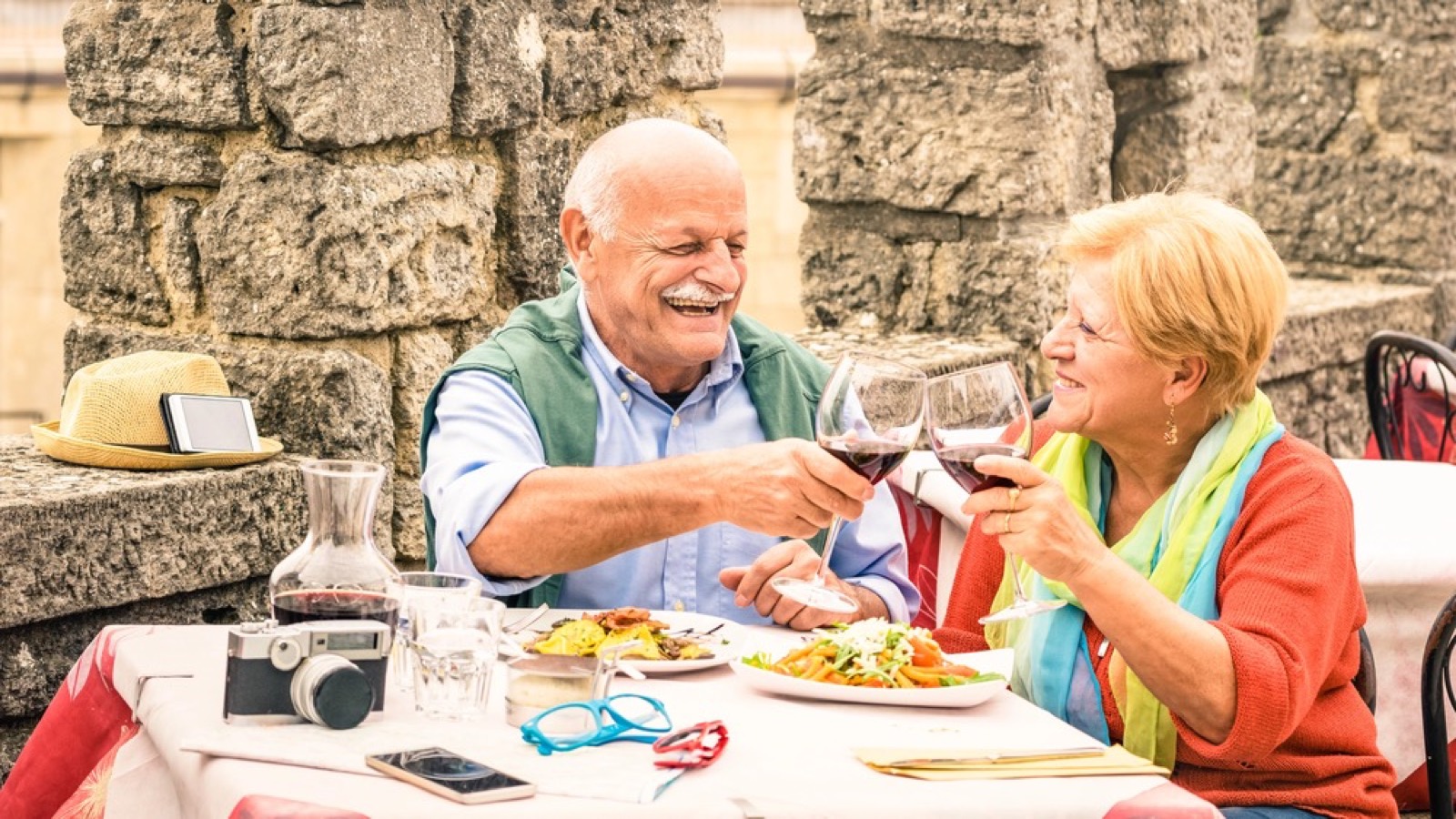
1. Eating Lunch Instead of Dinner Out
Many retirees say they prefer eating out at lunchtime rather than dinner. Lunch menus are often less expensive, with smaller portions and lunch specials. Restaurants are also less crowded in the middle of the day, especially on weekdays.
Eating out at lunch also fits better with many retirees’ schedules. They might enjoy a bigger meal in the middle of the day and a lighter dinner at home. Many say lunch dates with friends or spouses have become a favorite part of their week. It is a relaxed way to enjoy a restaurant without the evening rush.
2. Going on Weekdays
Retirees have the freedom to eat out on weekdays, when restaurants are quieter. Many say they avoid weekends, when restaurants are crowded with families and working people. On a Tuesday or Wednesday, they can get a table quickly and enjoy a more peaceful meal.
Weekday dining often comes with perks like specials and happy hour deals. Servers may also have more time to chat and provide attentive service. Many retirees say weekday meals feel like a small luxury that they could not enjoy during their working years.
3. Asking About Senior Discounts
Many restaurants offer senior discounts, and retirees quickly learn to ask about them. These discounts might be a percentage off the bill, a free drink or a special senior menu. Some chains offer discounts starting at age 55, while others start at 60 or 65.
Retirees often say they were shy about asking for discounts at first, but now they see it as a smart habit. Every little bit helps, especially on a fixed income. Many restaurants do not advertise their senior discounts, so it pays to ask. AARP members can also find dining deals through the AARP member benefits program.
4. Sharing Entrées
Many retirees say they have started sharing entrées with their spouse or dining companion. Restaurant portions are often large, and sharing a meal can save money and prevent food waste. Some order an appetizer and a main dish to split.
Sharing also allows couples to try more dishes without overeating. Some restaurants charge a small fee for splitting a plate, but many retirees say it is still worth it. This habit often reflects a desire to enjoy dining out while keeping things simple and practical, especially as appetites change with age.
5. Trying New Restaurants
During their working years, many people stick to familiar restaurants because they are short on time. Retirees often have the freedom to explore new places. They try new cuisines, visit local diners and check out restaurants in nearby towns.
Many retirees say exploring new restaurants has become a fun hobby. They read reviews, ask friends for recommendations and plan outings around trying a new spot. Some even take day trips to visit restaurants they have heard about. This sense of adventure helps keep life interesting and enjoyable.
6. Becoming Regulars
On the other hand, some retirees enjoy becoming regulars at a favorite restaurant. They visit the same diner every morning for coffee or the same café for lunch every week. Staff members know their names and their usual orders.
Being a regular brings a sense of community and connection. Many retirees say they enjoy chatting with servers and other regular customers. For some, these routines provide structure and social interaction that they miss from their working years. A familiar restaurant can feel like a second home, and many retired men in particular say these visits help them stay connected.
7. Taking Home Leftovers
Retirees often say they are more likely to take home leftovers than they were when they were younger. Large restaurant portions can easily become a second meal the next day. Taking leftovers home is a practical way to stretch the value of a meal.
Some retirees even order with leftovers in mind, planning to enjoy half of the meal at the restaurant and the rest at home. This habit helps reduce food waste and saves money on groceries. It is a simple but smart way to make dining out more affordable.
Why Retirees Dine Out Differently
Retirement brings more time and flexibility, which changes how people approach dining out. Without work schedules, retirees can choose quieter times, explore new places and enjoy meals at a slower pace. Many also become more budget-conscious as they adjust to living on a fixed income.
These habits reflect a balance between enjoying life and being practical. Retirees want to enjoy good food and company while making smart choices. Dining out often becomes a social activity that helps them stay connected with friends, family and their community.
Enjoying Meals in a New Way
For many retirees, eating out is about more than the food. It is about spending time with loved ones, meeting friends and enjoying a break from cooking. These new habits help them make the most of these experiences.
Whether they are trying a new restaurant, enjoying a weekday lunch or becoming regulars at a favorite diner, retirees find joy in dining out. Their habits show that retirement can bring new ways to enjoy everyday pleasures. And for many, a good meal shared with good company is one of the best parts of this stage of life.
Lessons for Every Age
Some of the habits retirees pick up can benefit people of all ages. Eating out at lunch, sharing entrées and taking home leftovers are smart ways to enjoy restaurants while staying mindful of costs. Trying new places and building relationships with local restaurants can also make dining out more rewarding.
Retirees often say they wish they had adopted some of these habits sooner. Their experiences offer helpful ideas for anyone who loves eating out. In the end, dining out is about enjoying good food and good company, and that is something everyone can appreciate at any stage of life.