10 Everyday Things Most People Do Without Realizing They’re Illegal
Some everyday actions can cross a legal line because of one small detail: where you do them, who owns something, whether you have permission, or which state you are in.
That does not mean these are offenses committed by most Americans. Some rules apply nationwide, while others are specific to California, New York, Pennsylvania, or another jurisdiction. Here are 10 familiar situations where the details matter.
Slipping a Flyer Into a Neighbor’s Mailbox
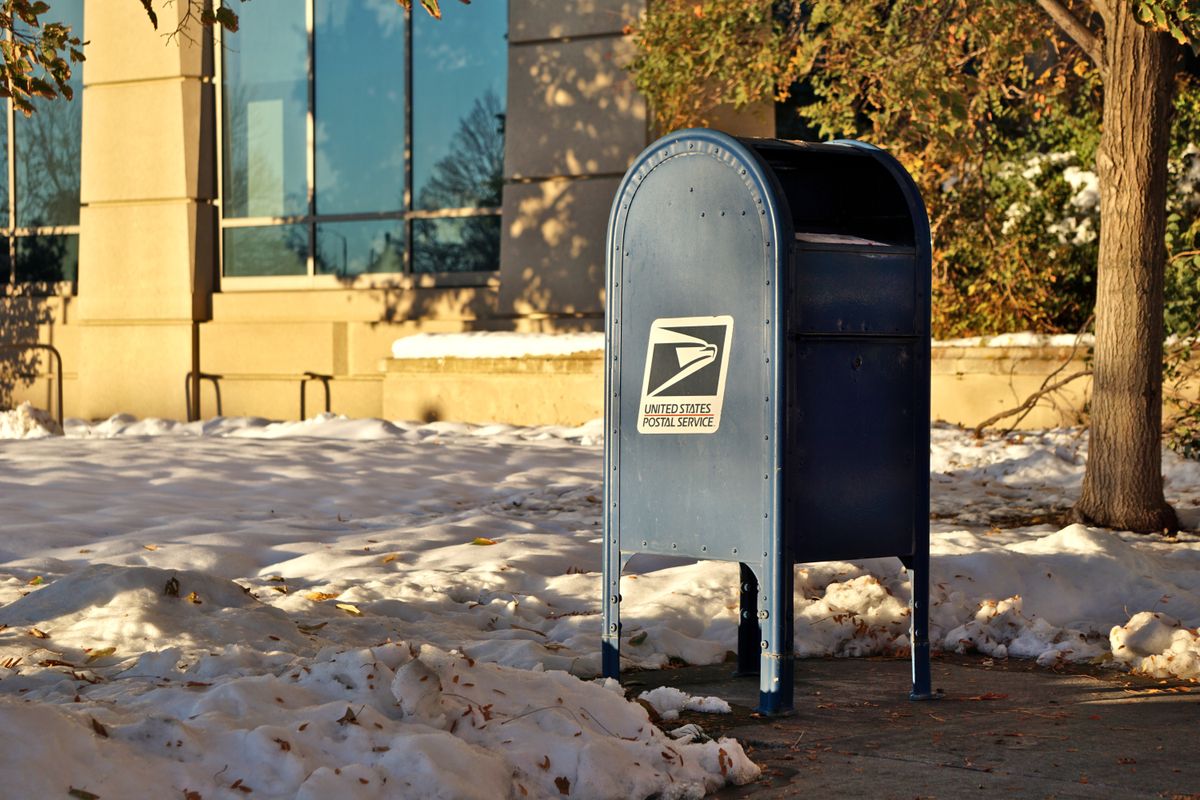
That quick favor of dropping a yard-sale notice or business flyer into a neighbor’s mailbox can violate federal postal rules. USPS says mail receptacles cannot be used for material that has not gone through the postal system with the required postage, including advertising flyers placed inside, attached to, or hung from the receptacle. The rule applies to postal mailboxes, not mail slots in doors.
Keeping a Feather From a Protected Wild Bird
Finding a feather on the ground may seem completely harmless, but the U.S. Fish and Wildlife Service says possessing feathers from birds protected under the Migratory Bird Treaty Act generally requires authorization. There is no general exception simply because the feather was naturally shed or found rather than taken from a bird. Not every feather falls under the same rule, since species coverage, legally harvested game birds, and authorized uses can matter.
Giving a Friend One of Your Prescription Pain Pills
Handing a friend one of your prescription pain pills is not automatically legal just because you are trying to help. The DEA says sharing prescription drugs with friends or relatives is illegal, and taking medication prescribed to someone else can also constitute misuse. That is different from legitimately collecting or administering medication prescribed to another person on their behalf.
Leaving Cash From a Side Job Off Your Tax Return
Getting paid in cash does not make side-job income invisible to the IRS. The agency says gig income must be reported even when the work is temporary or part-time, paid in cash, or provided without a W-2 or Form 1099. The IRS says net self-employment earnings of at least $400 generally trigger a federal filing requirement, so the issue is failing to meet applicable reporting obligations, not accepting cash itself.
Reusing an Online Photograph Without Permission
A photograph being easy to find online does not mean it is free to use. Original photographs generally receive copyright protection when created, and unauthorized copying or public display can potentially lead to an infringement claim. Giving the photographer credit does not replace a required license, although public-domain material, valid licenses, and some forms of fair use can allow reuse.
Using a Relative’s Disabled-Parking Placard Without Them
A family member’s disabled-parking placard does not become yours simply because you are driving their car. California DMV says a placard holder cannot lend the placard to another person for use while the holder is absent, and misuse can result in citations, fines, and loss of placard privileges. The placard may be used when the eligible holder is being transported, but the parking privilege belongs to that person, not the vehicle.
Letting a Parked Car Block the Sidewalk
In California, parking on or partially blocking a sidewalk is illegal. That can include a vehicle parked in a driveway if part of the car extends into the pedestrian route. Being outside your own home does not remove the sidewalk restriction, although the exact parking rules and penalties can differ in other jurisdictions.
Leaving the Engine Running Too Long While Parked
New York City generally prohibits a motor vehicle from idling for more than three minutes while parked, standing, or stopped. A one-minute limit applies in specified school and park settings. Simply remaining inside the vehicle does not automatically avoid the rule because it concerns the running engine, with certain exceptions for authorized emergency vehicles and qualifying equipment operations.
Taking Untreated Firewood on a Long Camping Trip
New York has specific restrictions on moving untreated firewood. Untreated firewood brought into the state from another state or country is prohibited, while untreated wood originating within New York generally cannot be transported more than 50 miles from its source or origin. That can apply even when the wood came from your own yard, and ordinary seasoning does not count as an approved treatment.
Secretly Recording a Private Conversation Without the Required Consent
In Pennsylvania, secretly recording a covered private conversation can create a legal problem because state law generally prohibits intentional interception of covered communications unless an exception applies. One statutory exception allows interception when all parties have given prior consent. Being part of the conversation does not automatically mean you have permission to record it secretly, while situations involving public police activity, voicemail, silent video, or interstate calls can involve different legal questions.
The common thread is simple: an ordinary activity can change legal status because of one overlooked detail. Permission, location, ownership, and purpose can matter just as much as the action itself. These examples are reminders to check the rule that actually applies where you are rather than assuming that something informal is automatically lawful.