9 Things You Should Never Keep in Your Junk Drawer
Almost every American kitchen has one: the drawer full of rubber bands, takeout menus, twist ties, a random screwdriver and at least one pen that doesn’t work. It’s the catch-all spot for anything that doesn’t have a home, and there’s nothing wrong with that.
But a few everyday items can turn that harmless clutter into a fire risk or an identity theft risk. With guests arriving for Thanksgiving and the holidays right behind, here are nine things fire departments and federal agencies suggest keeping out of your junk drawer.
1. Loose 9-Volt Batteries
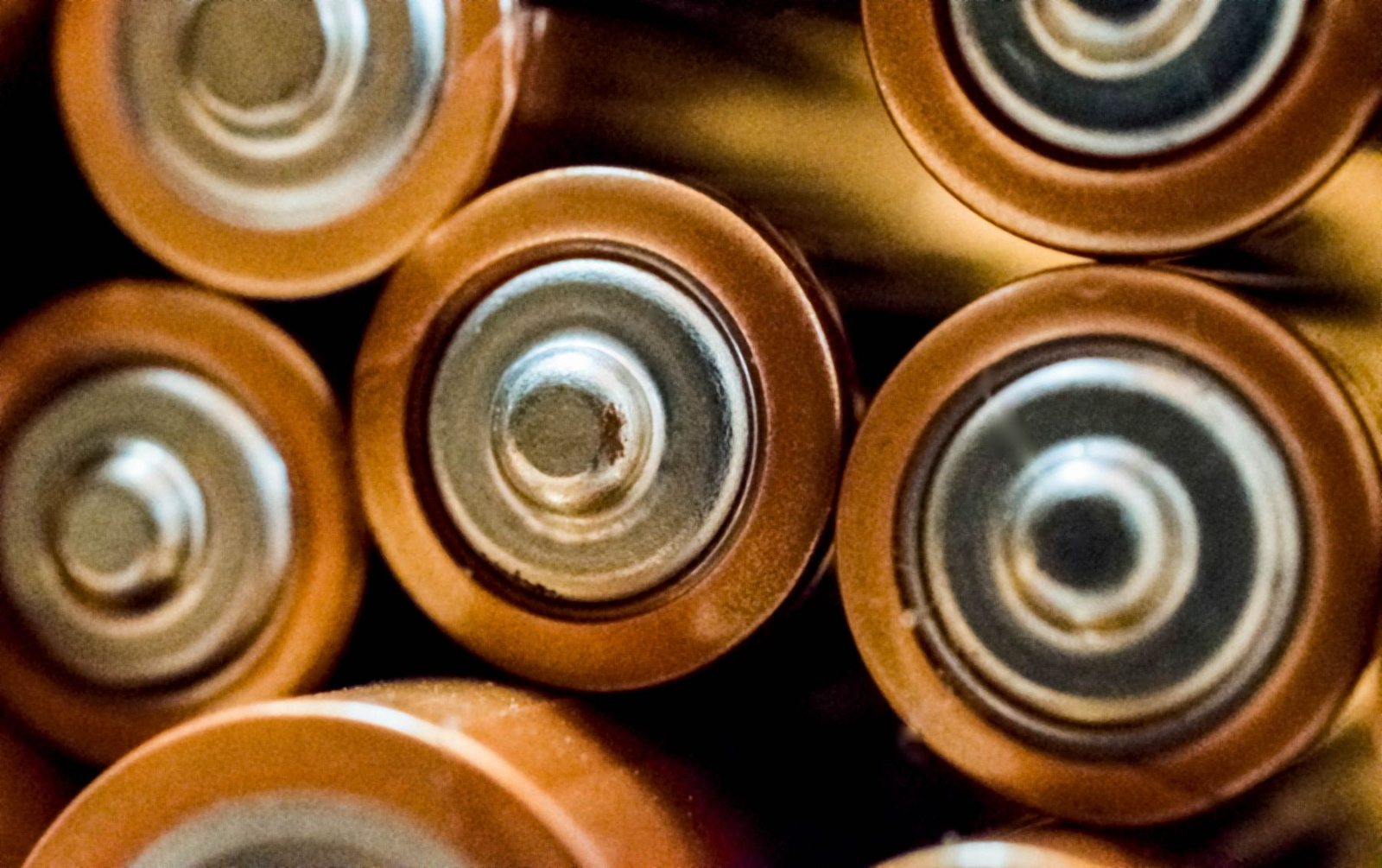
This is the big one. A 9-volt battery has its positive and negative terminals right next to each other on top, which makes it easy for a paper clip, key or coin to bridge them. In 2019, the Madison Fire Department in Wisconsin responded to a kitchen junk drawer fire that investigators believe started when a metal object touched an exposed 9-volt battery.
The homeowners caught it quickly, but the lesson stuck. Madison fire officials advise keeping spare 9-volts in their original packaging or with their protective caps on. The Idaho Department of Insurance adds that loose ones should have tape over the terminals. If your grandmother’s drawer looked anything like the classic boomer junk drawer, there was probably a stray 9-volt rattling around in it.
2. A Jumble of Loose Batteries Mixed With Metal Odds and Ends
It isn’t only 9-volts. Apartment Therapy reports that the National Fire Protection Association suggests storing batteries upright and away from conductive items like paper clips, pens and coins, which happen to be junk drawer staples.
A small plastic battery organizer or the original blister packs solve the problem. It’s an easy weekend fix, much like the ones in these DIY projects that make life easier.
3. Button and Coin Batteries Within Kids’ Reach
Those tiny round batteries for key fobs, thermometers and remotes deserve their own spot. The Consumer Product Safety Commission urges families to keep them away from children and, once a used one is removed, to cover its terminals with non-conductive tape such as electrical tape before taking it to a collection center.
If little ones will be visiting over the holidays, move these up high or into a latched cabinet. It’s one of those small kitchen mistakes we’re all guilty of that takes two minutes to fix.
4. Old Power Banks and Swollen Lithium-Ion Batteries
Dead phone chargers, old power banks and spare device batteries often end up in the drawer. The U.S. Fire Administration says to stop using a lithium-ion battery that shows an odor, color change, excess heat, a change in shape or leaking, and to keep spares away from anything that can burn.
When it’s time to get rid of them, the agency says not to toss lithium-ion batteries in the trash. Take them to a battery recycling location instead, and if you need a holiday command center for charging devices, give it a dedicated spot on the counter. For more spots to rethink, see what not to store under the kitchen sink.
5. Your Social Security Card
The Social Security Administration recommends keeping your card at home rather than in your wallet. In its own words, keeping your card at home reduces the risk of loss or theft.
“At home” doesn’t mean the most-opened drawer in the house, though. A locked box, a home safe or a file cabinet with your other important papers is a much better choice, especially when a houseful of guests is passing through the kitchen.
6. Birth Certificates, Passports and Other Vital Records
The same logic applies to anything that proves who you are. These documents are a pain to replace, and the junk drawer is where things get lost, crumpled or accidentally thrown out during a pre-party cleanup.
Gather them into one folder and store it with your Social Security card. Bonus: you’ll know exactly where everything is the next time you need it.
7. A Spare House Key With a Label
A spare key is handy, but a spare key tagged “front door” or “Mom’s house” is a gift to anyone who finds it. If a contractor, visitor or new acquaintance ever rifles through the drawer looking for a pen, they’ll see it too.
Keep spares unlabeled and out of plain sight, or leave one with a trusted neighbor instead.
8. Old Bank Statements and Expired Credit Cards
Junk drawers collect paper: old statements, receipts with card numbers, pre-approved credit offers. Anything with account numbers or personal details is better shredded than saved. Cut up expired cards through the chip and the number before tossing them.
9. Written-Down Passwords and PINs
A sticky note with your banking password is convenient right up until someone else sees it. If you need help remembering logins, a reputable password manager or a notebook kept in a secure spot is a safer choice than the drawer by the phone.
The junk drawer isn’t going anywhere, and it shouldn’t. Just give the batteries, documents and keys a better home, and the rest of the clutter can stay exactly where it is.