7 Things You Should Never Do With Your Debit Card
A debit card is about as convenient as money gets. It works almost everywhere, there is no bill at the end of the month, and it keeps spending tied to what is actually in your account.
That last part is also the catch. When something goes wrong with a debit card, it is your own checking account money that disappears, not the bank’s credit line. With Black Friday shopping kicking off right after the turkey, here are seven debit card habits worth breaking.
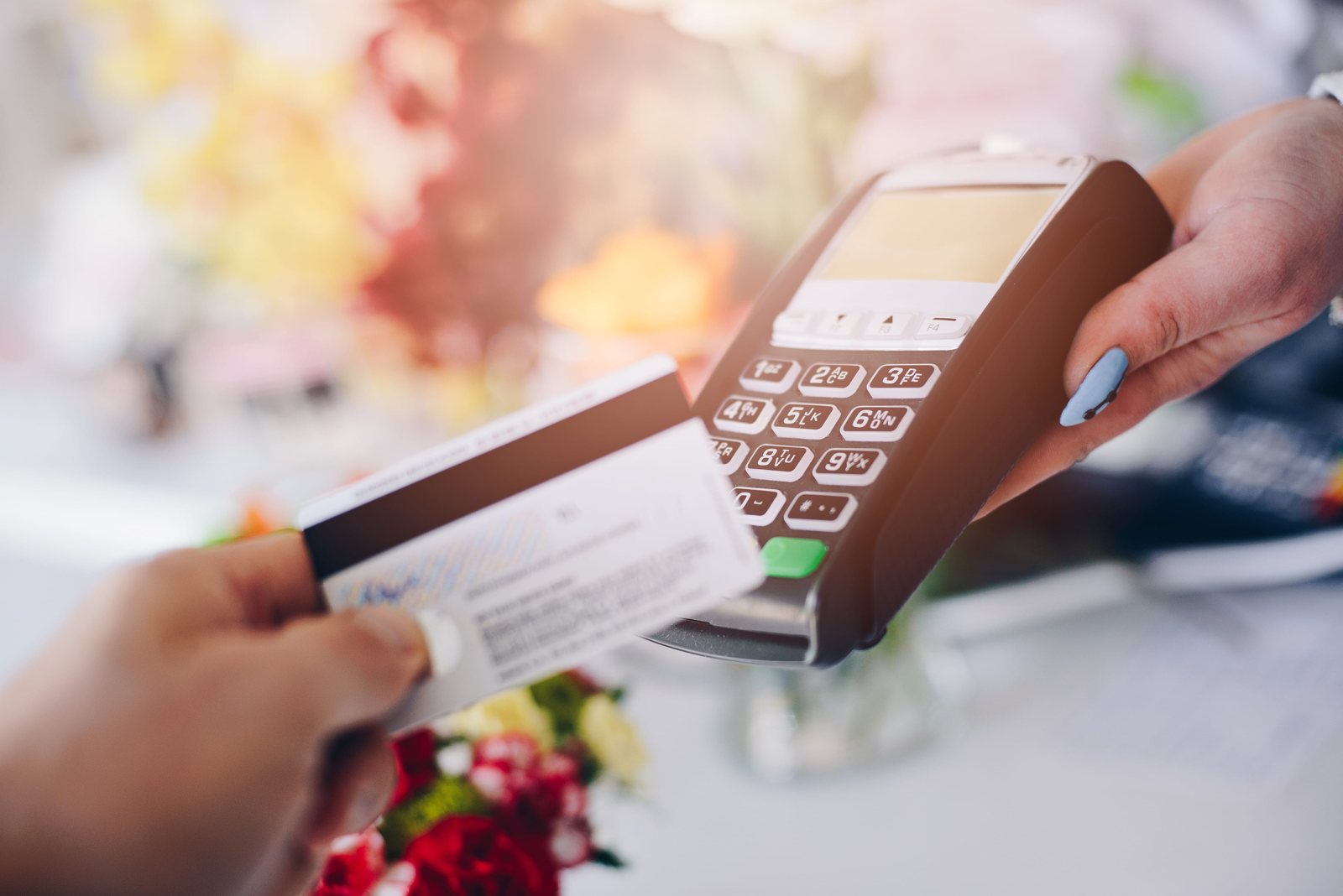
1. Never Keep Your PIN With the Card
It sounds obvious, but plenty of people still tuck a sticky note with their PIN into the same wallet slot. The Federal Trade Commission’s guide to lost or stolen credit, ATM and debit cards says not to carry your PIN in your wallet, purse or pocket, and never to write it on the card or on any paper that could be lost or seen.
If you lose your wallet with both inside, a thief has everything needed to empty the account at an ATM. Our list of things you should never keep in your wallet has a few more items to pull out while you are at it.
2. Never Enter Your PIN at the Gas Pump
Pumps are a favorite target for skimmers because they sit outside and often go unwatched. The FTC’s alert on card skimming at the gas pump suggests running a debit card as credit instead of entering your PIN, so the PIN stays private and the money isn’t pulled from your account right away. Paying the cashier inside is another option.
It also helps to know what tampering looks like. Our guide to the signs a gas pump or card reader has a skimmer walks through what to check before you pay, which is handy before any long holiday drive or a holiday flight with just a personal item.
3. Never Swipe When You Can Tap or Dip
The magnetic stripe on the back is the easiest part of the card to copy. The U.S. Secret Service, which investigates skimming, recommends on its ATM and POS terminal skimming page using tap-to-pay or the chip rather than swiping. The agency also suggests using a credit card instead of debit at store terminals, because a skimmed debit card and PIN can expose your checking account.
4. Never Use It for the Hotel or Rental Car Deposit
Hotels and rental car counters commonly place a hold on your card when you check in. Bankrate’s comparison of debit and credit cards gives the example of a $200 hold for a car rental or hotel room, and notes that with debit, the held money is unavailable until the hold is lifted.
That can leave you short for groceries or bills during a trip, which nobody needs after paying for new luggage for the whole family. A credit card ties up available credit instead of cash.
5. Never Use a Dim, Out-of-the-Way ATM
Not every ATM is equally safe. The Secret Service suggests using machines inside bank branches, in well-lit areas with security cameras, or at drive-up lanes, since those are harder for criminals to tamper with. It also tells people to cover the keypad with their other hand when typing a PIN so hidden cameras can’t record it.
Look for loose parts, a PIN pad that sits higher than normal, or stickers in odd places. If something looks off, walk away and find another machine. It is one of those small habits, like the ones in our list of common regrets people experience in adulthood, that costs nothing up front.
6. Never Wait to Report a Lost or Stolen Card
With debit cards, timing changes how much you could lose. According to the Consumer Financial Protection Bureau’s explanation of getting money back after an unauthorized transaction, reporting a lost or stolen card within two business days caps your liability at $50. Wait longer and it can rise to $500.
For unauthorized charges that show up on a statement, the outer limit is 60 days after the statement is sent. After that, you could be on the hook for the full amount of later transactions. Save your bank’s customer service number in your phone so you can call the minute you notice the card is missing.
7. Never Go Weeks Without Checking Your Account
Debit transactions pull money right away, so a quick look every few days is your best early warning. The CFPB’s advice on watching accounts closely when card data is hacked says to check transactions often through online or mobile banking and to look for unfamiliar merchants, even for small amounts, because thieves sometimes test a card with a small charge first.
Turning on transaction alerts in your banking app makes this nearly effortless. If you spot something odd, contact your bank right away, ask for a new card and consider changing your PIN.
The Bottom Line
A debit card is a perfectly good everyday tool. Just treat it a little more carefully than a credit card: keep the PIN private, tap or dip instead of swiping, skip it for deposits and holds, and keep an eye on your account. A few small habits make it much harder for anyone to drain your checking account.