America Is Losing Its Taste for Alcohol: 7 Reasons More People Are Choosing Not to Drink
For decades, having a beer after work, opening a bottle of wine with dinner, or ordering cocktails during a night out was an ordinary part of American social life. Alcohol was closely connected to celebrations, sporting events, family gatherings, and weekends with friends. But something is changing.
More Americans are reconsidering how often they drink, and some are choosing to avoid alcohol altogether. What was once considered a normal part of socializing is increasingly becoming an optional lifestyle choice.
The numbers tell an interesting story. According to a Gallup survey published in August 2026, just 54% of American adults say they drink alcohol. That matches the previous year’s figure and represents the lowest percentage in Gallup’s tracking history, which dates back to 1939.
The change is not simply about people becoming less interested in partying. Health concerns, personal finances, changing social habits, and the growing availability of alcohol-free alternatives are all contributing to the shift.
Here are seven reasons Americans are drinking considerably less alcohol.
More Americans Are Questioning Whether Alcohol Is Good for Their Health
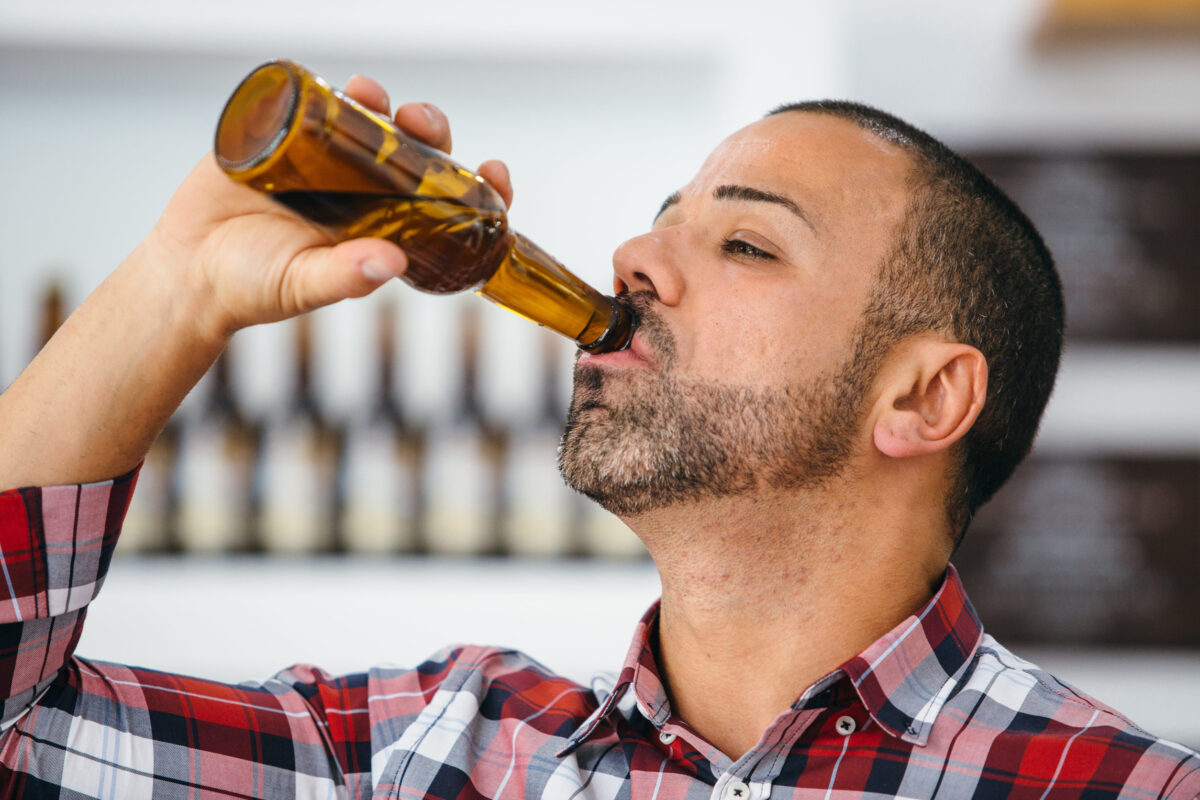
One of the biggest reasons behind the changing attitude toward alcohol is growing concern about its potential effects on health.
For years, some people believed that moderate drinking, particularly wine, could be part of a healthy lifestyle. However, public understanding of alcohol-related risks has changed, and more Americans are questioning the idea that drinking regularly is harmless.
Gallup’s 2026 survey found that 51% of American adults believe consuming one or two alcoholic beverages daily is bad for their health. That represents a substantial change from 2001, when only 27% expressed that opinion.
More importantly, 86% of Americans said they had heard at least something about recent research concerning the long-term health effects of drinking.
As information becomes more widely discussed, some people are reconsidering habits they previously viewed as harmless.
Related: 10 American Things Americans Didn’t Know Were Exclusively American
Younger Americans Are Changing Social Drinking Culture
Another important part of the story involves younger generations.
For many younger adults, socializing does not necessarily require alcohol. Some prefer meeting friends for coffee, attending fitness activities, exploring restaurants, or spending evenings at home.
This does not mean younger Americans never drink. However, research suggests that drinking has become less common among younger adults than it was in previous generations.
A 2023 Gallup analysis found that 62% of Americans aged 18 to 34 said they drank alcohol, compared with 72% approximately two decades earlier.
The change suggests that alcohol is gradually becoming less central to some younger people’s social lives.
Instead of automatically ordering drinks during every outing, some are becoming more comfortable participating in social activities without drinking.
Going Out Has Become More Expensive
Financial pressure is another reason some Americans are reconsidering their drinking habits.
Alcohol can become an expensive part of an evening out, especially when someone regularly visits restaurants, bars, concerts, or entertainment venues.
A few drinks may seem affordable individually, but the costs can accumulate over several weekends.
Nights out also add transportation, food, and other activities.
A July 2026 YouGov survey found that 20% of Americans who reported drinking less than they had a year earlier cited cost as one reason.
For households trying to manage everyday expenses, reducing discretionary spending can become an attractive option.
Some people are choosing to spend their money on other priorities rather than making regular alcohol purchases.
Related: 10 Most Delicious Desserts Everyone Should Try
Nonalcoholic Drinks Are Becoming More Acceptable
Not drinking used to make some social situations uncomfortable.
Someone attending a party, restaurant, or gathering without ordering an alcoholic beverage might have to explain their decision repeatedly.
That experience is gradually changing as alcohol-free alternatives become more visible.
Nonalcoholic beer, wine, and spirits are increasingly available, giving people additional choices when they want something that resembles a traditional drink without the alcohol.
Gallup’s 2026 survey found that 17% of Americans had substituted nonalcoholic beverages for alcoholic drinks at some point during the previous year.
Among drinkers who had tried these alternatives, 38% said they were consuming more of them than they used to.
This suggests that some consumers are not necessarily abandoning the social experience of having a drink. They are simply changing what they put in their glasses.
People Are Becoming More Comfortable Saying No
Social expectations have long shaped drinking culture.
At parties, weddings, sporting events, and family celebrations, alcohol is often readily available. In some social circles, refusing a drink can invite questions or unwanted attention.
However, attitudes toward drinking appear to be changing.
More people are comfortable declining alcoholic beverages without feeling obligated to explain themselves.
Some avoid alcohol for personal reasons, while others do not enjoy drinking as much as they once did.
This growing acceptance makes it easier for people to participate in social activities without feeling pressured to drink.
It also changes the expectations surrounding gatherings. A successful evening no longer has to involve alcohol.
Some Americans Have Less Desire to Drink
Interestingly, not everyone reducing their alcohol consumption is doing so because of money or health concerns.
Sometimes, people lose interest.
A July 2026 YouGov survey found that among Americans who said they were drinking less, 50% cited reduced desire as one reason.
That detail matters because it suggests the change isn’t driven entirely by external pressures.
For some former regular drinkers, alcohol may become less appealing as their priorities and routines change.
Someone who once looked forward to weekend drinks might now prefer watching a movie, going for a walk, spending time with family, or enjoying a quiet evening at home.
Not every lifestyle change needs a dramatic explanation. Sometimes, people’s preferences evolve.
Drinking Less Is Becoming Part of a Bigger Lifestyle Shift
The final reason connects several of the changes happening across American households.
People are increasingly reconsidering their everyday habits, including how they spend their money, organize their free time, and approach social activities.
Some are embracing alcohol-free periods such as Dry January, while others are making longer-term adjustments.
The growing interest in alcohol-free alternatives also suggests that businesses are responding to changing consumer preferences.
However, this does not mean alcohol has disappeared from American culture.
Gallup’s 2026 findings show that 54% of adults still consume alcoholic beverages, while beer, liquor, and wine remain popular choices among drinkers.
The difference is that more Americans appear willing to question how frequently alcohol needs to be part of their lives.
Related: 10 Disturbing Food Combos You Should Never Try
Is America’s Drinking Culture Really Changing?
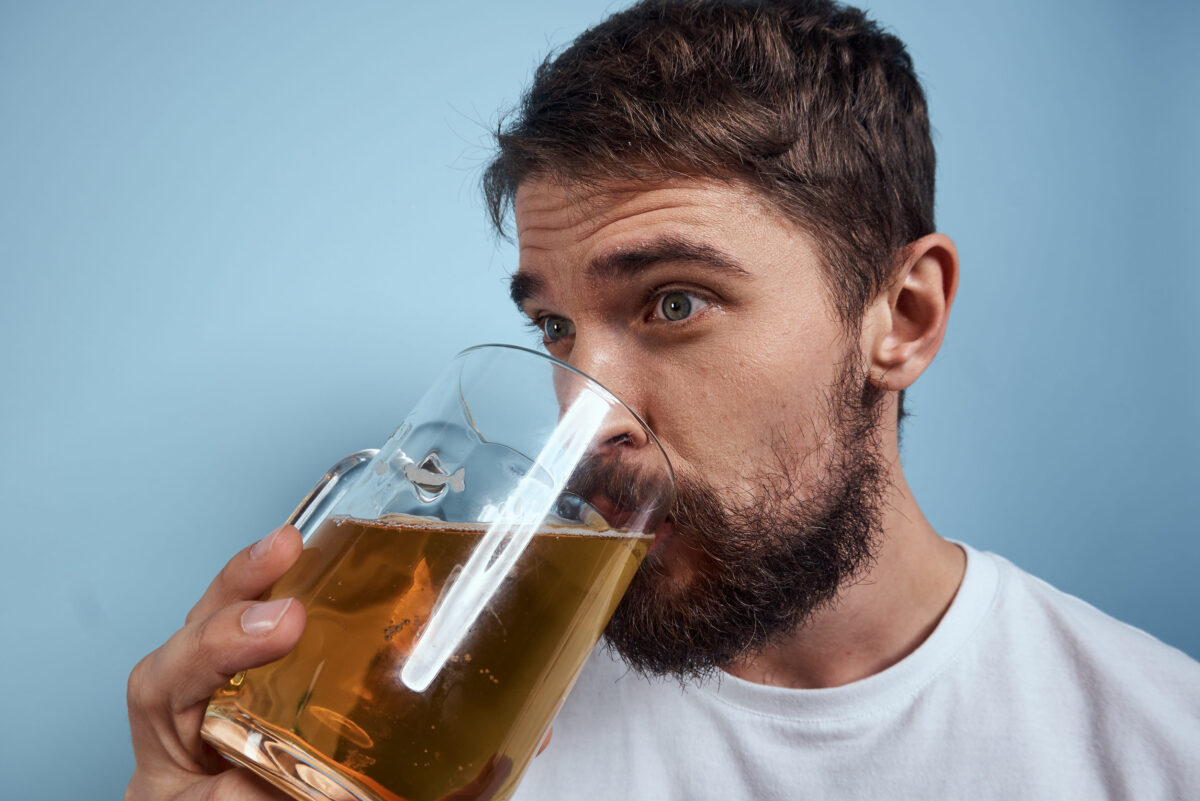
The numbers suggest that the United States is experiencing a meaningful shift in its relationship with alcohol.
Gallup found that the percentage of adults who drink fell from 62% in 2023 to 58% in 2024 and 54% in 2025, remaining at that record-low level in 2026.
The reasons are varied. Some Americans are concerned about health risks, others want to save money, and many do not feel the same desire to drink.
What makes the trend particularly interesting is that drinking less is no longer necessarily viewed as unusual or restrictive. For some people, it has become an ordinary lifestyle preference.
Alcohol will probably remain part of American celebrations and social traditions for years to come. However, the assumption that every gathering needs a bottle of wine, a case of beer, or a round of cocktails may be gradually losing its influence.
What do you think is behind America’s changing drinking culture? Are people becoming more health-conscious, trying to save money, or simply losing interest in alcohol?