America’s Small Businesses Are Being Squeezed, and Main Street Is Paying the Price
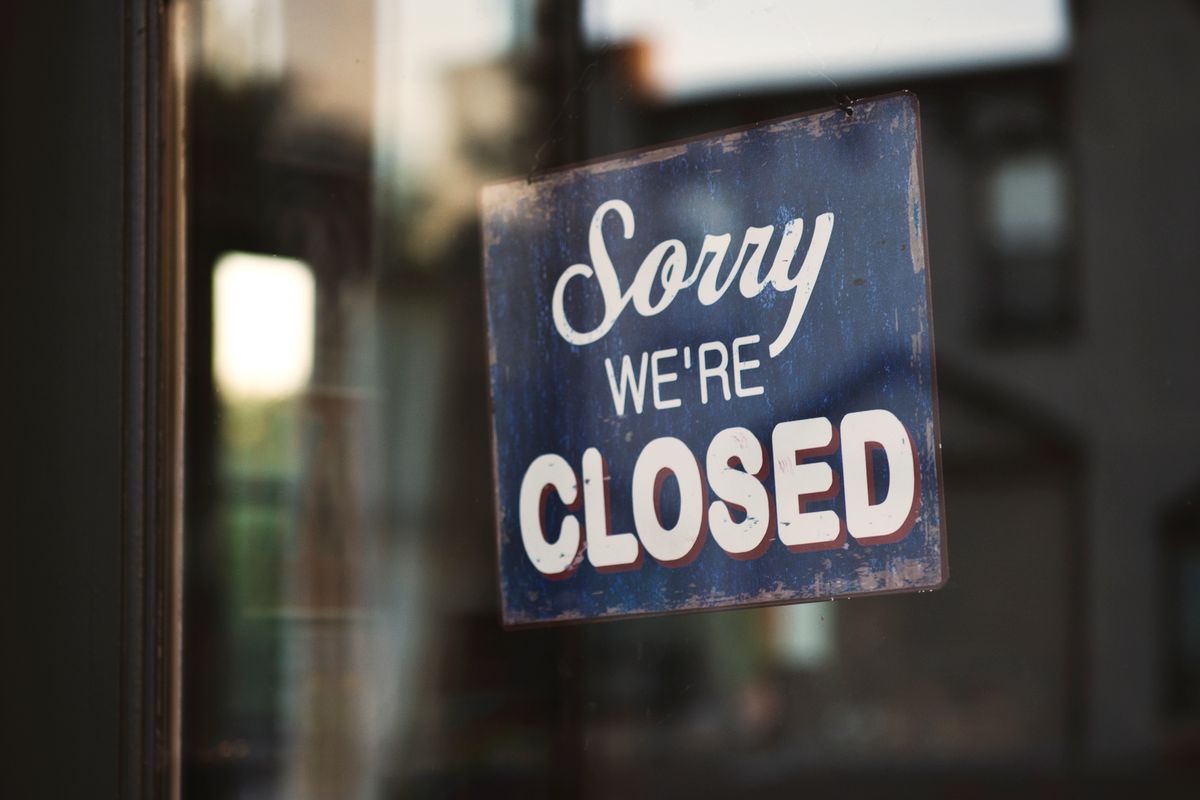
A darkened storefront does not always look like an economic crisis. Sometimes it looks like a handwritten “For Lease” sign taped inside the window of a neighborhood bakery. It looks like the mechanic who stops opening on Saturdays because he cannot afford another employee. It looks like a family restaurant quietly replacing full plates with smaller portions while customers complain that prices have risen again.
Across the United States, small businesses are praised as the backbone of the economy. Politicians celebrate them. Banks feature them in advertisements. Communities claim to support them. Yet many owners are being forced to survive in an environment where nearly every essential cost, inventory, rent, insurance, wages, utilities, and borrowing has become harder to absorb.
America still has approximately 36.2 million small businesses, representing 99.9% of all U.S. businesses. They employ about 62.3 million people, or 45.9% of private sector workers, and generate an estimated 43.5% of the country’s economic activity.
Those numbers sound impressive until we recognize how much of the economy is exposed when independent businesses begin cutting hours, delaying hiring, or closing completely. Current small business figures reveal that Main Street is too important to be treated as background scenery.
Small Businesses Across the USA Are Running Out of Room
America has no shortage of entrepreneurs. What it increasingly lacks is breathing room. In June 2026, small business optimism improved, but the headline hid a more troubling reality. The optimism index reached 97.4, still below its 52-year average of 98. More importantly, business uncertainty remained at 89, far above its historical average of 68.
Inflation was the single biggest problem for 21% of owners, its highest reading since October 2024. Taxes and labor quality or availability were each named by 19%. Insurance costs, regulations, weak sales, labor expenses, and financing pressures added further weight. June’s small business findings describe owners who may be hopeful but are far from comfortable.
For ordinary Americans, the consequences are visible. The neighborhood coffee shop adds another dollar to a breakfast order. The local plumber introduces a service fee. The family owned grocery store reduces its staff. The independent pharmacy closes earlier. The childcare provider stops accepting new families. The restaurant that once stayed open seven days a week now closes on Mondays and Tuesdays.
Customers often see only the new price. They do not see the commercial rent, credit card processing fees, insurance premiums, delivery charges, payroll taxes, equipment repairs, and supplier invoices that sit behind it.
A small business cannot spread these costs across thousands of locations. It may have one store, one commercial kitchen, three vans, or five employees. When expenses rise, the owner has only a few choices: increase prices, cut services, reduce staff, borrow money, or close.
The American Dream Now Comes With a Monthly Payment

Starting a small business has always involved risk. The difference is that today’s owner may begin with debt before welcoming the first customer. A restaurant needs deposits, permits, kitchen equipment, ingredients, furniture, and insurance. A construction company needs vehicles, tools, licensing, and workers’ compensation coverage.
An online retailer must pay for inventory, advertising, packaging, software, and shipping. Even a one person consulting firm may require technology, professional insurance, and months of personal savings.
Once the business begins operating, cash rarely arrives in a smooth and predictable pattern. Customers can pay late. Equipment can break. Seasonal demand can disappear. A supplier can raise prices without warning. That is where financing is supposed to help. Unfortunately, access to money is uneven and often expensive.
In the 12 months covered by the 2025 Small Business Credit Survey, 60% of employer firms applied for financing. More than half of those seeking money, 56%, needed it to meet operating expenses. That means many were not borrowing to open glamorous second locations or purchase cutting edge equipment. They needed money to keep their existing businesses functioning.
Only 42% of applicants received all the financing they requested. Another 36% received some, while 22% received nothing. Small business financing results reveal a punishing reality: even firms willing to take on debt cannot be certain they will secure enough capital to solve the problem.
For rejected owners, the alternatives can be brutal. They may use personal credit cards, drain retirement savings, borrow against their homes, or ask relatives for money. The boundary between business risk and family security begins to disappear. A failed multinational project may become a footnote in a quarterly earnings presentation. A failed family business can consume a marriage, a college fund, and decades of savings.
Higher Prices Are Hurting Businesses and Customers at the Same Time
Americans are exhausted by price increases. They see them at grocery stores, gas stations, restaurants, insurance offices, and repair shops. That frustration is understandable, but small business owners are often trapped inside the same affordability crisis.
Consider a local restaurant. The owner pays more for ingredients, cooking oil, cleaning products, packaging, pest control, insurance, electricity, and labor. Raising menu prices risks driving away customers. Keeping prices unchanged destroys the margin needed to pay employees and replace equipment.
The customer, meanwhile, is also paying more for housing, groceries, transportation, and insurance. Dining out becomes easier to cut from the household budget. The restaurant raises prices because its costs have increased, but the customer spends less because personal expenses have also increased. Neither side feels like a winner.
The same pressure affects repair shops, salons, childcare centers, bakeries, landscapers, and neighborhood retailers. Customers delay appointments, repair old products rather than replace them, or choose cheaper national platforms. Owners respond by cutting inventory, reducing hours, or working more shifts themselves.
A business can appear busy and still lose money. Revenue means little if nearly every dollar is consumed by operating expenses.
Big Companies Can Absorb Problems That Crush Small Businesses
Large corporations possess advantages that independent businesses rarely enjoy. They can negotiate lower wholesale prices because they purchase enormous quantities. They can spread advertising expenses across hundreds of locations. They maintain legal, human resources, accounting, and compliance departments.
They can survive a weak month in one market because profits from another market cover the loss. A local shop does not have that protection. If the air conditioner fails during the summer, the repair bill comes immediately. If a delivery arrives late, it may lose an entire weekend of sales. If one experienced employee resigns, the owner may have to work double shifts.
If road construction blocks the entrance for several weeks, the business may never recover the missing revenue. Online marketplaces create another imbalance. Small sellers gain access to national customers, but they can become dependent on changing algorithms, advertising systems, transaction fees, and platform rules they do not control.
A suspended account or sudden drop in search visibility can erase sales overnight. Then comes the convenience problem. Americans say they love small businesses, but convenience frequently wins at checkout. A large retailer may offer lower prices, same day delivery, extended return periods, and constant availability. The neighborhood business is expected to match those benefits without matching the corporation’s scale.
That expectation is slowly turning community loyalty into a slogan instead of a habit.
The Pressure Looks Different Across America
The small business crisis does not appear in exactly the same form in every state. Local industries, insurance markets, property costs, wages, weather risks, and population changes shape the pressure.
Small Businesses in the Northeast
In Maine, New Hampshire, Vermont, Massachusetts, Rhode Island, Connecticut, New York, New Jersey, and Pennsylvania, high commercial costs can collide with aging infrastructure, seasonal demand, and expensive urban real estate.
A restaurant in Manhattan faces conditions unlike those of a farm shop in Vermont, but both must navigate narrow margins. Coastal businesses may rely heavily on seasonal customers. Urban shops may struggle with rent, security expenses, delivery complications, and competition from national chains.
In small towns, one closure carries unusual weight. When the only pharmacy, grocery store, or repair shop disappears, customers must travel farther, and the town loses part of its economic identity.
Small Businesses in the South
In Delaware, Maryland, Virginia, West Virginia, North Carolina, South Carolina, Georgia, Florida, Kentucky, Tennessee, Mississippi, Alabama, Arkansas, Louisiana, Oklahoma, and Texas, rapid population growth can create opportunity while also pushing up rent, property values, wages, and insurance costs.
Florida, Louisiana, and other storm exposed markets add weather and insurance risks to the burden. Tourism businesses face unpredictable seasons. Agricultural companies remain vulnerable to weather, fuel expenses, and changing input costs.
Fast-growing cities may look prosperous, but growth can displace the businesses that helped make neighborhoods attractive. A family restaurant can survive for decades and still disappear when a new lease arrives with a price it cannot pay.
Small Businesses in the Midwest
In Ohio, Michigan, Indiana, Illinois, Wisconsin, Minnesota, Iowa, Missouri, North Dakota, South Dakota, Nebraska, and Kansas, small companies frequently depend on manufacturing, agriculture, transportation, and regional supply chains.
A machine shop can be profitable but vulnerable to equipment breakdowns, material prices, and delayed customer payments. A family farm may generate significant sales while carrying enormous expenses for machinery, seed, fertilizer, fuel, and land.
Main streets in smaller Midwestern communities face another threat: population loss. When young residents leave, the customer base shrinks. The hardware store, café, and local newspaper must survive with fewer buyers, fewer workers, and less investment.
Empty Storefronts Cost Communities More Than Jobs
When a small business closes, the most obvious loss is employment. The more serious the damage, the harder it is to measure.
A community loses a gathering place. It loses a local sponsor for school teams and neighborhood events. It loses a customer to nearby suppliers. It loses tax revenue, foot traffic, and another reason for residents to remain in the area.
One empty storefront can also weaken surrounding businesses. If an anchor restaurant closes, fewer customers may visit the block. The nearby bookstore, salon, and convenience store then lose traffic. More vacancies appear, buildings deteriorate, and the neighborhood begins to feel abandoned.
The effects can reach daily life. Without a nearby grocery store, residents must drive farther for food. Without a local mechanic, repairs become less convenient. Without independent childcare providers, parents may struggle to remain in the workforce.
Large companies can replace some services, but they rarely replace the personal relationships built by long standing neighborhood businesses.
“Support Small Business” Means Little Without Action
Americans frequently express support for local businesses, but encouragement does not pay an electricity bill. Survival depends on actual customers.
Buying locally does not mean consumers must ignore price or accept poor service. Small businesses should still earn trust through quality, transparency, and professionalism. However, customers can make decisions with a clearer understanding of what is at stake.
We can support independent businesses by:
- Buying directly from the company when possible
- Leaving detailed and honest reviews
- Recommending reliable businesses to neighbors
- Purchasing gift cards for local restaurants and shops
- Booking appointments early and respecting cancellation policies
- Paying invoices promptly
- Sharing genuine promotions with interested customers
- Giving a business the chance to correct a reasonable mistake
- Avoiding demands for discounts that destroy already-thin margins
Business owners also carry responsibility. They must maintain accurate listings, respond professionally, explain their value, and make purchasing simple. A complete online profile should include current hours, contact information, prices or estimates, service areas, photographs, and clear policies.
Visibility cannot solve every financial problem, but invisibility can make every problem worse.
Behind Every Closed Door Is a Personal Loss
Small-business discussions often become abstract. We talk about firms, credit conditions, employment figures, and economic output. Behind those terms are people who may have invested everything they own.
The owner of a restaurant may have spent years missing family dinners while serving other families. The contractor selling his tools may be giving up the company he planned to leave to his children. The shopkeeper clearing the final shelves may still owe money on unsold inventory.
America’s small businesses remain numerous, but numbers can create false comfort. A country can have millions of businesses while individual communities lose the independent companies that make them livable.
Main Street is not disappearing in one dramatic collapse. It is being worn down by one rent increase, rejected loan, insurance bill, and darkened storefront at a time.