California Residents Jolted Awake by 3.9-Magnitude Earthquake as Questions Grow About What Lies Beneath the Surface
A 3.9-magnitude earthquake in Monterey County shook parts of California before dawn, delivering a familiar reminder that even a small movement beneath the Earth can reopen fears about a much larger threat waiting below.
The earthquake struck early Tuesday morning near the Central Coast, when many residents were asleep and unprepared for sudden movement. The shaking was brief and caused no immediate reports of major injuries or widespread destruction. However, the event revived a concern that has followed California for generations: the possibility that a quiet moment beneath the surface can quickly become a serious emergency.
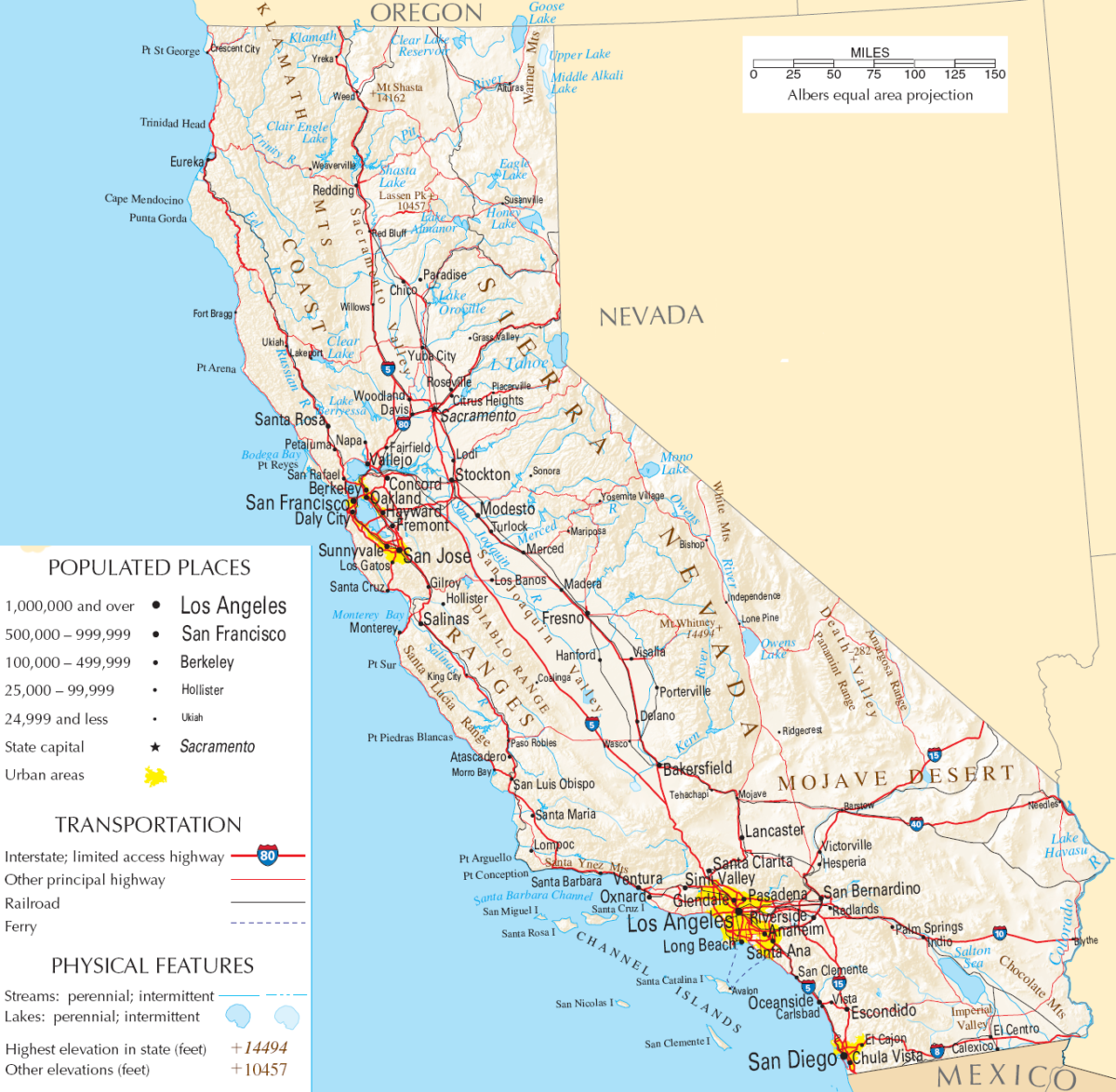
The Monterey County earthquake was recorded near the Pinnacles area, a region surrounded by complex geological structures and a long history of seismic activity. While a magnitude 3.9 earthquake is considered minor compared with California’s most destructive events, the timing and location served as another reminder of the state’s constant exposure to earthquake risks.
For residents, the experience was not only about the strength of the shaking. It was about uncertainty. When the ground moves without warning, even for only a few seconds, people are forced to confront a reality that scientists have studied for decades but cannot fully predict.
The Early Morning Tremor That Interrupted California’s Sense of Security
The Monterey County earthquake arrived during one of the most vulnerable times of day. Many people were sleeping, making the sudden shaking more confusing and alarming. A nighttime earthquake removes the ability to immediately understand what is happening, leaving residents to rely on alerts, neighbors, and emergency information.
Small earthquakes often create a strange emotional reaction because the physical impact and psychological impact can be very different. A magnitude 3.9 earthquake may leave buildings standing and roads open, but it can still trigger memories of past disasters. In California, where earthquakes are part of the state’s history, even minor tremors can quickly bring back old fears.
The event near Pinnacles did not become a disaster, but it highlighted a larger challenge. California residents must continue living with the possibility of earthquakes that arrive without warning. The question is not whether the ground will move again, but how communities will respond when it does.
The absence of major damage can sometimes create a false sense of security. Smaller earthquakes can pass quietly, but they continue to demonstrate that the forces beneath California remain active. Every earthquake becomes another reminder that preparation cannot begin after the shaking starts.
Why a Small Earthquake Still Raises Big Questions
The size of an earthquake does not always tell the entire story. Scientists examine location, depth, fault systems, and surrounding conditions when evaluating seismic activity. A smaller earthquake in a highly active region can still provide important information about underground pressure and movement.
The Monterey County earthquake occurred in an area shaped by complicated fault networks. California sits along the boundary between major tectonic plates, creating one of the most studied earthquake environments in the world. These geological forces have produced both minor tremors and catastrophic events throughout the state’s history.
The concern surrounding earthquakes is not only about what happened during one event. It is also about what communities learn from each occurrence. Researchers use earthquake data to improve hazard maps, strengthen building standards, and develop better emergency response strategies.
California has made significant progress in earthquake preparation, but challenges remain. Growing populations, aging infrastructure, and older buildings in some communities continue to create concerns about future large-scale earthquakes. A small earthquake may not damage structures, but it highlights the importance of keeping those systems ready.
California’s Long History With the Fear of the Next Big Quake
The memory of past earthquakes continues to influence how Californians view new tremors. The 1989 Loma Prieta earthquake remains one of the most significant reminders of the state’s vulnerability. The magnitude 6.9 earthquake caused deaths, injuries, and widespread damage across parts of Northern California, including communities near Monterey and Santa Cruz counties.
That earthquake changed how California approached emergency planning. It exposed weaknesses in infrastructure and showed how quickly transportation systems, buildings, and communication networks could be affected. The lessons from Loma Prieta continue to influence earthquake preparedness policies today.
For many residents, those memories create a lasting awareness of risk. A person who experienced a major earthquake may react differently to a smaller one because the sound, movement, and uncertainty can bring back previous experiences. Earthquakes are geological events, but they also create powerful human responses.
The Monterey County earthquake did not resemble those historic disasters in strength or impact. Still, it carried a familiar message. California’s relationship with earthquakes is shaped not only by destruction but also by the constant awareness that another major event remains possible.
The Hidden Challenge Behind California’s Earthquake Preparedness
California has invested billions of dollars into earthquake safety measures, including stronger construction standards, emergency systems, and public awareness campaigns. These efforts have reduced risks in many communities, but no system can eliminate the danger completely.
One of the biggest challenges is that earthquakes cannot be accurately predicted days or weeks in advance. Scientists can identify areas with higher risks and monitor seismic activity, but they cannot provide a precise schedule for when a major earthquake will happen.
This uncertainty creates a difficult situation for residents and officials. Communities must prepare for an event that may not happen for years while accepting that preparation could become critical within seconds. Maintaining that level of readiness can be difficult when smaller earthquakes do not cause immediate damage.
The Monterey County earthquake shows why preparation remains necessary even when the outcome is harmless. Emergency supplies, communication plans, and public awareness may seem unnecessary during quiet periods. However, those measures become essential when a larger earthquake strikes.
The Emotional Impact of Living Above Active Fault Lines
Earthquake risk affects more than buildings and infrastructure. It influences how people think about safety, homes, and the future. Living in California often means accepting that nature can suddenly interrupt daily life.
For some residents, every earthquake creates a moment of reflection. They may check emergency supplies, review family plans, or reconsider whether they are prepared for a larger event. These reactions show how deeply earthquake awareness has become part of California culture.
The emotional burden can be difficult because there is no simple solution. People cannot avoid earthquakes entirely, and officials cannot remove all risks. Instead, communities must learn how to manage uncertainty while continuing to live normally.
The Monterey County earthquake became another example of that balance. It was small enough to avoid serious consequences, but large enough to remind residents that the ground beneath them is never completely still.
What This Earthquake Reveals About California’s Future
The future of earthquake safety in California depends on continued investment, research, and public preparation. Technology has improved earthquake monitoring, but the unpredictability of seismic events remains one of the state’s greatest challenges.
A 3.9-magnitude earthquake does not signal an immediate crisis. It does not mean a larger earthquake is guaranteed. However, it provides another opportunity to examine how communities respond and whether existing safety measures are strong enough.
The most important lesson from smaller earthquakes is often overlooked. They create moments when people can prepare before a disaster forces them to act. Waiting until after a major earthquake occurs can leave communities facing avoidable problems.
The Monterey County earthquake was measured in seconds, but its message lasts longer. The shaking stopped, yet the questions remain beneath the surface. How prepared are communities for the earthquake they cannot predict? And when the next major movement comes, will California be ready?