El-Sayed Admits Medicare for All Could Mean Paying ‘a Little Bit More in Taxes’ Even for Ordinary Americans
Abdul El-Sayed walked into a familiar political trap on Sunday: explaining how Americans could get healthcare without premiums while acknowledging that somebody still has to pay the bill.
The Democratic nominee for Michigan’s open U.S. Senate seat said Americans could pay “a little bit more in taxes” under a Medicare for All system, arguing that the additional government payment would replace money many workers already send to private health insurers.
The exchange on NBC’s Meet the Press gave Republican opponent Mike Rogers an immediate opening. But it also exposed a larger debate that often gets buried beneath arguments over whether Medicare for All amounts to “free healthcare”:
Americans already spend trillions of dollars on healthcare, and the fight is increasingly about who collects the money, how it is collected, and what patients receive in return.
Welker presses El-Sayed on the part politicians rarely emphasize
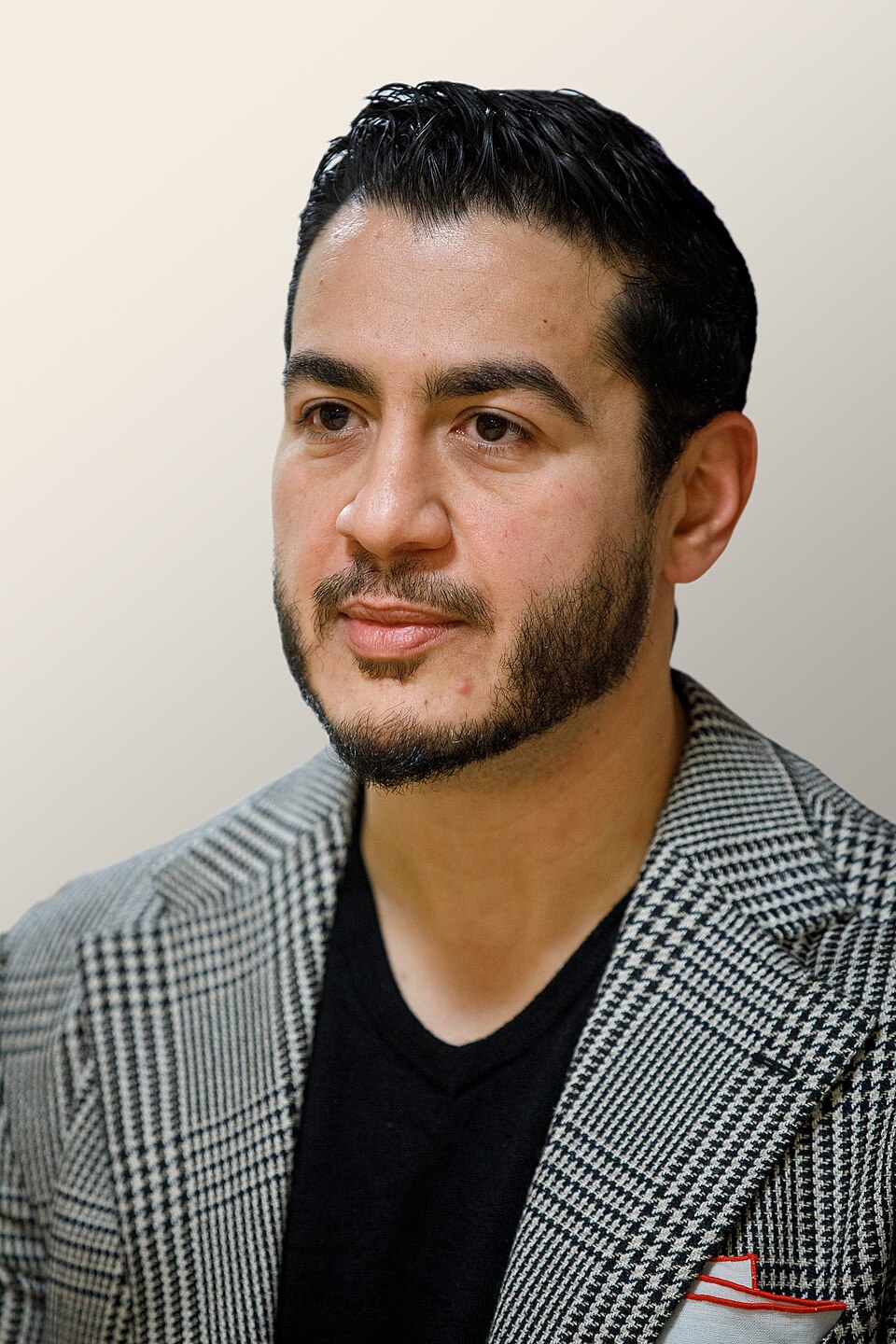
Host Kristen Welker challenged El-Sayed over his support for Medicare for All and asked whether Americans earning less than $1 million could see their taxes rise under such a system. El-Sayed did not give her a simple yes or no.
Instead, he pointed to what already disappears from many workers’ paychecks before the money reaches their bank accounts.
For employees with job-based health coverage, El-Sayed argued, insurance premiums can represent one of the largest deductions from a paycheck. His proposal, he said, would replace that payment with public financing that would provide coverage regardless of employment, age or changes in family status.
“Instead of paying that to your health insurance company,” El-Sayed said, Americans could pay “a little bit more in taxes” for healthcare that would remain with them even if their circumstances changed.
He later described the choice as trading payments to an insurance company for additional contributions through the tax system, including FICA. NBC’s full Aug. 9 episode featured Welker’s interview with El-Sayed following his Michigan primary victory.
That distinction is crucial to El-Sayed’s argument. He is not claiming healthcare suddenly becomes costless. He is arguing that costs now scattered across premiums, employer contributions, deductibles, copayments and government programs could instead be concentrated in a publicly financed system.
Welker, however, focused on the political vulnerability inside that argument: Would middle-income Americans pay higher taxes?
El-Sayed again avoided attaching a specific tax rate to his proposal. He said he would rather have Americans pay into a system guaranteeing healthcare than continue sending money to private insurers.
That answer may satisfy supporters of Medicare for All, but it gives opponents four potent words to repeat through November: “a little bit more.”
America already has a massive healthcare bill
The broader numbers help explain why the argument cannot be reduced to whether healthcare would suddenly become “free.”
The United States spent roughly $5.3 trillion on healthcare in 2024, equal to about $15,474 for every person in the country and 18 percent of the entire economy. Private health insurance alone accounted for about $1.64 trillion of that spending.
That means the central question surrounding Medicare for All is not whether Americans will pay for healthcare. They already do. The question is what happens to those existing costs if private insurance premiums and much of the current system are replaced by federal financing.
That is where both political camps can make arguments that contain part of the picture. Republicans can accurately point out that a sweeping single-payer system would dramatically increase federal spending and require enormous new government revenue. Medicare for All supporters can counter that some of those taxes would replace expenses families and businesses currently pay through premiums and other healthcare costs.
The Congressional Budget Office illustrated that tension when it examined several hypothetical single payer systems. CBO found federal healthcare subsidies could increase by between $1.5 trillion and $3 trillion in 2030, depending on the system’s design.
But that was not the end of the analysis. CBO also found total national healthcare spending could range from a $700 billion decrease to a $300 billion increase, depending on payment rates, administrative savings, patient cost sharing, and greater use of medical services.
In other words, a larger federal tax bill does not automatically tell voters whether their total healthcare spending would rise or fall.
That is the policy argument El-Sayed was trying to make. The political problem is that “your taxes may increase, but your insurance bill could disappear” is considerably harder to sell than simply promising lower costs.
Rogers now has a simple attack line in a closely watched race
Rogers quickly seized on the exchange, arguing that El-Sayed had turned a campaign focused on putting more money into voters’ pockets into a proposal that would send more money to government.
El-Sayed fired back Monday and challenged Rogers to debate the issue. The confrontation previews what could become one of the clearest ideological contrasts of Michigan’s Senate race.
El-Sayed narrowly won the Aug. 4 Democratic primary over Rep. Haley Stevens, while Rogers secured the Republican nomination. The contest is for the seat being vacated by retiring Democratic Sen. Gary Peters and is expected to play an important role in the battle for Senate control.
El-Sayed’s victory also showed that progressive economic ideas still have significant strength inside the Democratic coalition. His campaign openly supports Medicare for All, and his campaign materials describe healthcare as something that should be guaranteed to every American.
The general election creates a different test. El-Sayed now has to convince voters beyond the Democratic primary electorate that higher taxes could leave them financially better off if insurance premiums and other healthcare expenses fall enough to compensate.
Rogers has every incentive to remove the second half of that equation and make the election about the first. That is what made Sunday’s exchange more significant than another argument over tax rates.
El-Sayed effectively acknowledged the part of Medicare for All that its supporters sometimes struggle to fit onto a campaign sign: universal healthcare may eliminate the bill at the doctor’s office, but it does not eliminate the bill itself.
His gamble is that Michigan voters will care less about who takes the money from their paycheck than about how much healthcare ultimately costs them and whether their coverage can disappear. Rogers is betting they will see the word tax first.