Electricity and Gas Company Penalty Notices in Victoria: What Energy Providers Are Being Fined For and Why It Matters
Victoria’s Energy Watchdog Is Tightening Its Grip on Utility Companies
We rely on electricity and gas every single day, but behind the scenes, strict rules are in place to ensure energy companies do not take advantage of consumers or fail to meet their service obligations. In Victoria, enforcement is handled by the Essential Services Commission, which oversees how energy retailers and distributors behave in one of Australia’s most closely regulated markets.
When companies break the rules, the response is not a passing warning. It can escalate into formal penalty notices that publicly document the breach, explain what went wrong, and set out the financial consequences. These notices are part of a wider system designed to keep the energy market fair, transparent, and accountable.
What Electricity and Gas Penalty Notices Actually Mean for Companies
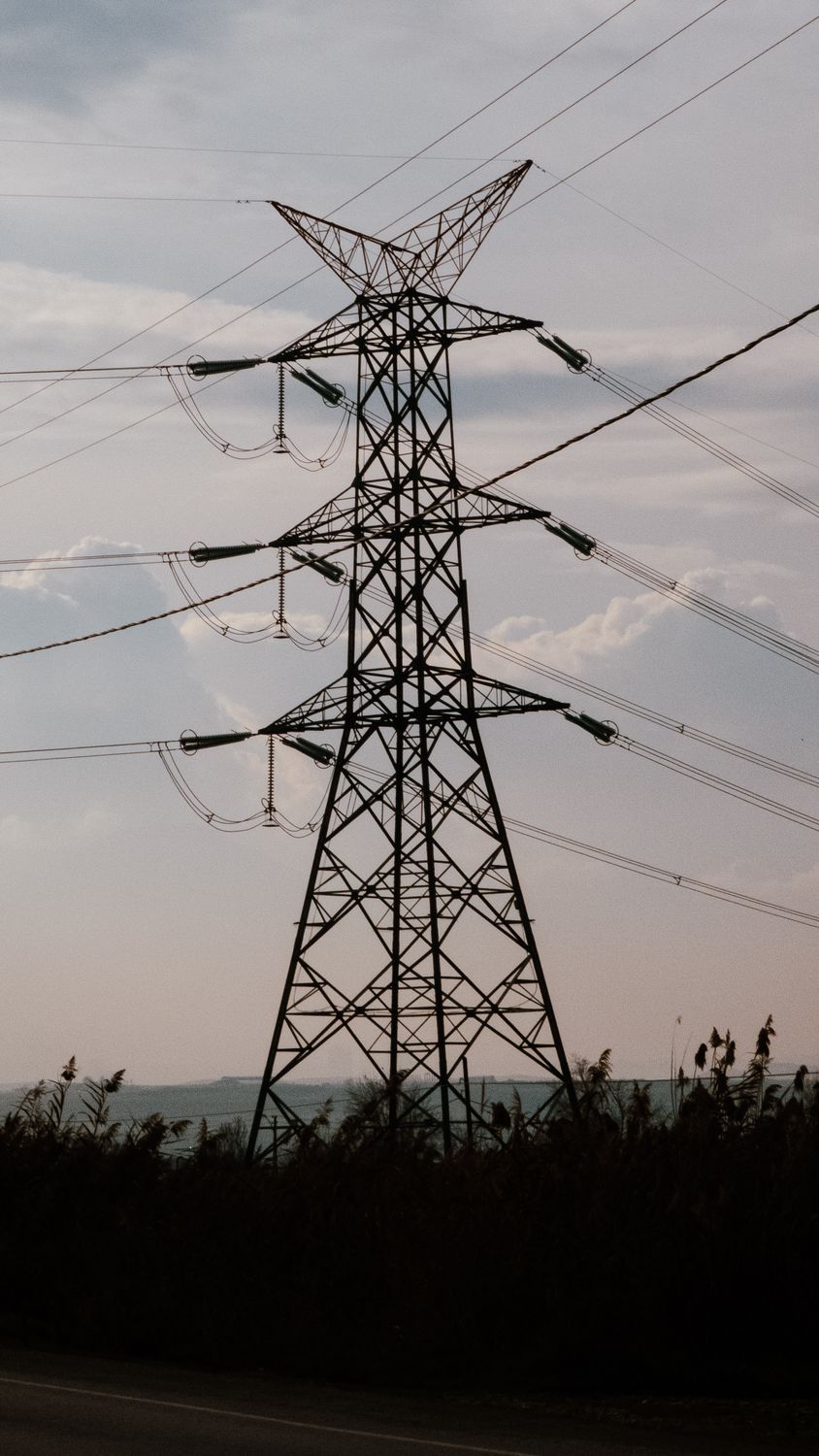
A penalty notice is more than just a fine. It is a formal declaration that an energy company has failed to meet its legal obligations under Victoria’s regulatory framework.
The obligations come from key rules such as the Energy Retail Code and the Electricity Distribution Code, which govern everything from billing practices to service reliability. When companies fall short, the commission steps in and issues a penalty notice that clearly outlines the breach and why it matters.
Each notice typically includes details about the violation, the evidence behind the decision, and the reason a financial penalty is considered appropriate. It is both a punishment and a public record of accountability, ensuring that energy companies cannot quietly ignore compliance failures.
The Rules Energy Companies Are Expected to Follow
Energy companies in Victoria operate under strict legal obligations that are designed to protect households and businesses from unfair treatment.
Retailers must follow rules on billing accuracy, contract transparency, and customer communication. This includes ensuring customers understand what they are paying for and receive accurate, timely bills.
Distributors, on the other hand, are responsible for maintaining reliable electricity networks. This includes responding quickly to outages, ensuring infrastructure is safe, and meeting performance standards that affect everyday supply stability.
When these standards are not met, penalty notices can follow quickly, especially if the breach affects large numbers of customers or involves repeated non-compliance.
Why Energy Companies End Up Receiving Penalty Notices

Most penalty notices are issued when compliance failures directly impact customers or indicate serious weaknesses in a company’s systems.
Some of the most common issues include incorrect billing, where customers are charged the wrong amount due to system errors or poor data handling. In other cases, companies fail to provide required notices, such as changes to contracts or service terms.
There are also situations where service standards are not met, particularly during outages or supply disruptions. When response times fall below regulated expectations, enforcement action becomes more likely.
In more serious cases, repeated breaches or systemic failures can trigger higher penalties and closer regulatory scrutiny.
What Happens After a Penalty Notice Is Issued
Once a penalty notice is issued, the energy company is given a clear deadline to pay the fine. If the company complies, the matter is recorded and closed in the public enforcement register.
However, if the company refuses or fails to pay, the situation escalates. The commission has the authority to take the matter to the Supreme Court of Victoria to enforce the penalty through legal proceedings.
This escalation step is important because it ensures that penalty notices are not symbolic. They carry real financial and legal consequences that companies cannot ignore without risking court action.
Inside the Public Enforcement Register

Transparency plays a major role in Victoria’s energy regulation system. All penalty notices and enforcement actions are recorded in a public register maintained by the regulator.
This register allows consumers, researchers, and industry stakeholders to see which companies have been penalized, why the action was taken, and what the outcome was. It also includes related enforcement measures such as contravention orders and enforceable undertakings.
By making this information public, the system creates pressure on companies to maintain high standards and avoid repeated breaches that could damage their reputation.
Why Penalty Notices Are More Than Just Fines
At first glance, penalty notices may look like simple financial penalties, but they play a much larger role in shaping how the energy market operates.
They help protect consumers from unfair billing practices, poor communication, and unreliable service delivery. They also push energy companies to strengthen their internal systems so that compliance becomes part of everyday operations rather than an afterthought.
Over time, this enforcement approach helps build trust in the energy market by ensuring that all providers are held to the same standard, regardless of size or influence.
The Bigger Picture Behind Energy Enforcement in Victoria
Penalty notices are part of a wider effort to keep essential services fair, reliable, and transparent. In a market where households depend on electricity and gas every day, even small failures can have significant consequences.
That is why enforcement action is taken seriously and made visible to the public. It reinforces the message that energy companies must follow the rules, or face consequences that go beyond internal warnings.
As the energy sector continues to evolve with new technologies and billing systems, regulatory oversight remains a critical safeguard for consumers and businesses alike.