Exploring the Psychiatric Diagnoses of Horror Movie Villains and Victims
Horror movies captivate audiences with terrifying villains, victims, and twisted storylines. Behind the monsters and chaos often lie psychiatric disorders that explain the disturbing behaviors seen on screen.
From vengeful Michael Myers to manipulative Hannibal Lecter, many icons suffer psychological afflictions that drive their actions and affect others.
This article examines the psychiatric diagnoses behind iconic horror villains and their victims, exploring how mental illness shapes these chilling narratives.
Michael Myers
Michael Myers, the infamous killer from Halloween, is often considered a symbol of pure evil. Examined through a psychiatric lens, some have attempted to interpret his behavior in psychological terms.
For example, his inability to speak after murdering his sister, Judith, has been discussed in connection with certain mental health symptoms.
Additionally, his intense and unsettling focus on Laurie Strode has drawn commentary from some observers. However, these interpretations remain speculative and not clinically defined.
In Halloween II, Laurie’s therapist suggests she suffers from an unspecified illness similar to Michael’s, though her symptoms are not defined. This ambiguous portrayal raises questions about how mental illness is depicted in the Halloween franchise.
The basis for Michael’s actions remains open to interpretation, but the psychological dimension is often explored for narrative effect.
Hannibal Lecter
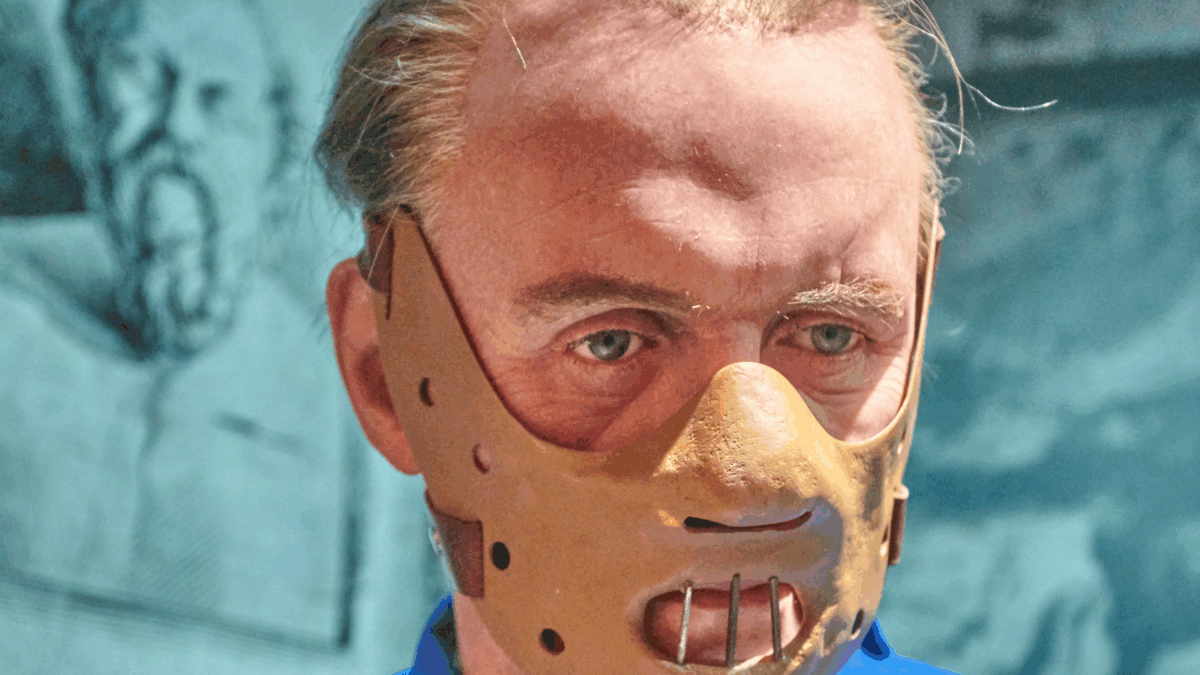
Hannibal Lecter, portrayed by Anthony Hopkins in The Silence of the Lambs, is one of the most compelling and chilling characters in cinematic history. Lecter’s behavior has been analyzed in relation to personality disorders such as antisocial tendencies and psychopathy.
He exhibits a disregard for others’ rights and manipulative, violent behavior. Hannibal’s cold demeanor, manipulation, and lack of empathy are consistent with these portrayals, though such interpretations are character analyses rather than clinical diagnoses.
Dr. Glen O. Gabbard, a psychiatrist who analyzed Lecter’s character, views him as a sophisticated psychopath who can form “loving attachments” but still engages in heinous acts like murder and cannibalism.
His intellectual prowess and charm make him an unforgettable villain. However, the television series Clarice, which follows FBI agent Clarice Starling, provides further insight into the trauma caused by Lecter’s manipulations.
Starling’s experience with Lecter results in post-traumatic stress disorder (PTSD), illustrating the long-lasting psychological toll of encountering such a monster.
Freddy Krueger

In A Nightmare on Elm Street, Freddy Krueger is a malevolent force who haunts teenagers’ dreams and kills them in their sleep. Freddy’s horrific actions stem from a deeply disturbed past, including pedophilic disorder.
This is reflected in the way he targets children, and the psychological trauma his victims endure is compounded by his murder of their peers.
Nancy Thompson, one of Freddy’s primary victims, is plagued by recurring, terrifying dreams, reflecting the severe psychological distress she endures. This distress appears to exacerbate her sleep disturbances and heightened sense of fear, echoing some trauma-related symptoms.
The film also metaphorically explores disrupted sleep and perceptions of reality, offering a complex portrayal of psychological turmoil.
Leatherface

Leatherface, the menacing figure from The Texas Chainsaw Massacre, is portrayed as suffering from cognitive and physical impairments, which are implied to stem from childhood trauma and ongoing mistreatment.
In the 2003 remake, Leatherface’s condition is described in terms of various medical issues, leaving the full psychological picture ambiguous.
Leatherface’s story reflects a deeply disturbed upbringing marked by relentless bullying. The combination of his suffering and social ostracism is depicted as central to his character development, driving his violent actions.
Regan MacNeil
In The Exorcist, Regan MacNeil’s terrifying behavior leads her mother to seek the help of a priest, believing that her daughter is possessed. However, from a medical standpoint, Regan’s condition could be linked to a psychosomatic disorder.
This condition can manifest as physical symptoms that are caused by emotional or psychological distress, and Regan’s tremors, speech impairments, and unusual behaviors fit this diagnosis.
Neurologist Suzanne O’Sullivan has discussed how Regan’s symptoms might be influenced by stress and trauma, notably her parents’ separation and emotional upheaval.
The film contrasts unsuccessful medical explanations with religious interpretations, highlighting the uncertainty and complexity in understanding mental health under extreme psychological stress.
Understanding the Complex Psychology of Horror
The portrayal of mental illness in horror films is often exaggerated, inaccurate, or sensationalized for dramatic effect. However, it is undeniable that many of the genre’s most memorable villains are defined by their psychological conditions.
These disorders, whether they are rooted in trauma, neurodegeneration, or psychopathy, provide a deeper understanding of the characters’ motivations and actions.
Horror movies provide a platform for exploring human fears and the complexities of mental health. By analyzing these fictional characters, we gain perspective on how psychological challenges are depicted in extreme and terrifying contexts.
Conclusion
While portrayals of mental illness in horror movies are often exaggerated, psychological themes can resonate with audiences. Villains like Michael Myers, Hannibal Lecter, and Freddy Krueger, while highly fictionalized, are written with elements that reference real psychological struggles.
Exploring these portrayals helps demystify psychological conditions and offers a nuanced view of characters’ motivations.
As mental health intersects with horror, it’s vital to recognize the complexity of these disorders and see how entertainment has sensationalized them. This understanding improves our grasp of mental illness both in reality and on screen.