Fried Chicken Gets Extra Crunchy When You Add This to the Flour
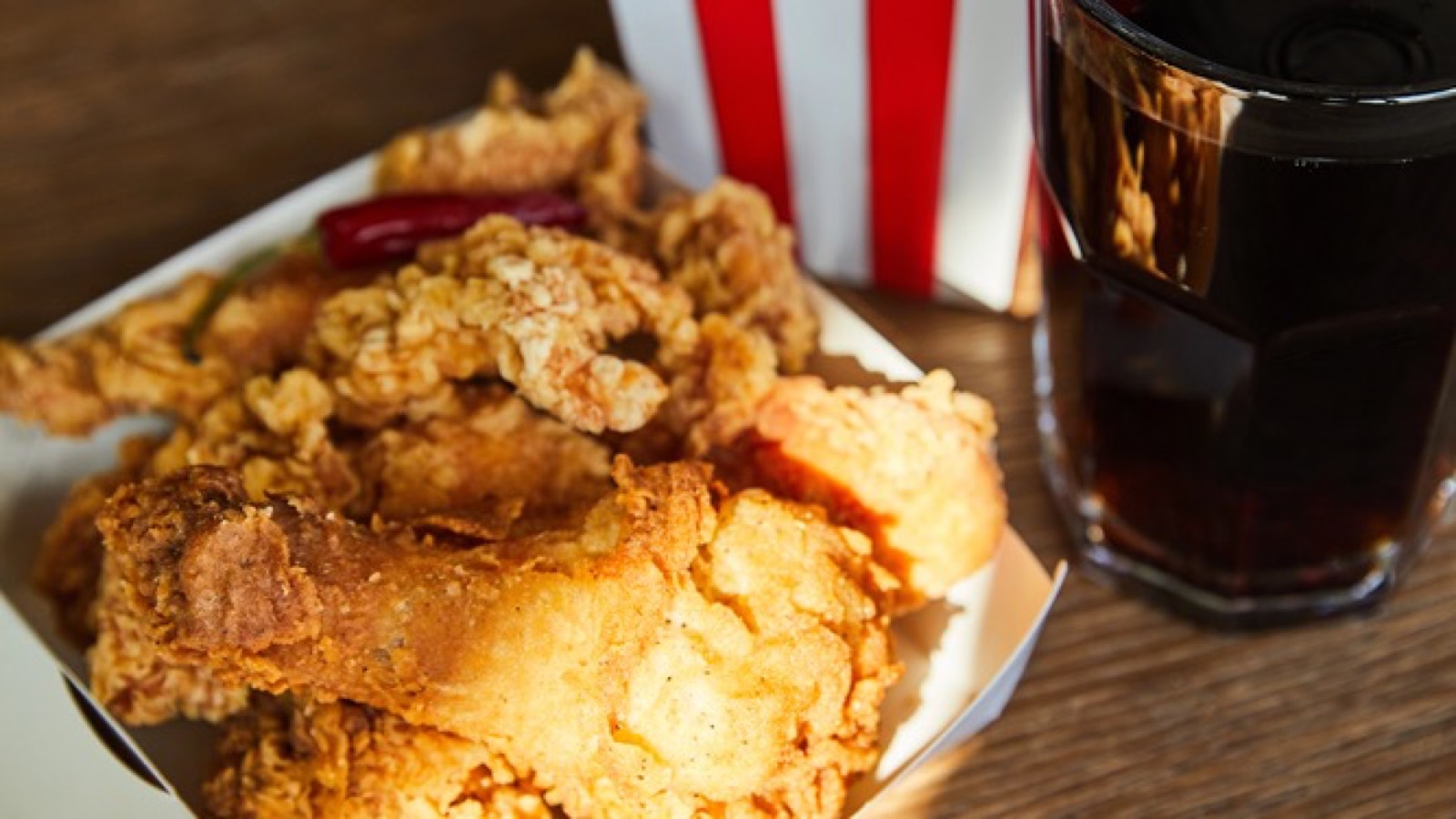
Few foods bring a family to the table faster than a plate of homemade fried chicken. The golden, crackly crust, the juicy meat inside and the smell filling the kitchen make it one of the most beloved comfort foods in America. For many people, it’s tied to memories of Sunday dinners, church picnics and Grandma’s cast-iron skillet.
But getting that perfect crust at home can be tricky. Sometimes the coating turns soggy, falls off in patches or comes out tough instead of crispy. Restaurant fried chicken often seems to have a crunch that’s hard to match. The secret many cooks rely on is a simple pantry ingredient you probably already have: cornstarch. Here’s why it works and how to use it.
Why Cornstarch Makes Chicken Crunchier
Most fried chicken recipes use all-purpose flour for the coating. Flour contains gluten, a protein that can make the crust chewy or bready when it absorbs moisture. Cornstarch has no gluten, and it fries up light and crisp.
When you mix cornstarch with flour, you get the best of both. The flour helps the coating stick and brown, while the cornstarch keeps it light and crunchy. Cornstarch also absorbs moisture from the surface of the chicken, which helps the crust stay crisp longer after frying.
How Much Cornstarch to Use
A good starting point is to replace about a quarter to a third of the flour with cornstarch. For example, if your recipe calls for two cups of flour, use about one and a half cups of flour and half a cup of cornstarch.
Some cooks use an even split of flour and cornstarch for an extra crispy coating. Experiment to find the ratio you like best.
Add a Little Baking Powder Too
Many cooks also add a teaspoon or two of baking powder to the flour mixture. Baking powder releases tiny bubbles of gas when it hits the hot oil, creating a lighter, crispier crust with little craggy bits that catch extra seasoning.
Together, cornstarch and baking powder can give homemade fried chicken a crust that rivals the best restaurants. Just don’t overdo the baking powder, or the coating may taste slightly bitter.
Don’t Forget the Seasoning
A crispy crust is only half the story. The coating needs plenty of seasoning. Salt, black pepper, paprika, garlic powder and onion powder are a classic combination. Some cooks add cayenne pepper for heat or dried herbs like thyme and oregano.
It also helps to season the chicken itself. Many cooks soak chicken in buttermilk with salt and spices for several hours or overnight. The buttermilk tenderizes the meat and helps the coating stick.
Let the Coated Chicken Rest
After dredging the chicken in the flour mixture, let it rest on a rack for 10 to 15 minutes before frying. This gives the coating time to absorb moisture and stick to the chicken, so it doesn’t fall off in the oil. Some cooks double-dip the chicken, dredging it in flour, dipping it back in buttermilk and then dredging it again for an extra thick, craggy crust.
Fry at the Right Temperature
Oil temperature is key to crispy chicken. If the oil is too cool, the chicken absorbs grease and turns soggy. If it’s too hot, the outside burns before the inside is cooked. Most cooks aim for about 325 to 350°F.
Use a thermometer to keep an eye on the oil, and fry the chicken in batches so the pan isn’t crowded. Crowding the pan lowers the temperature and leads to soggy chicken.
Cook It All the Way Through
Fried chicken must be cooked to a safe internal temperature. The USDA recommends cooking chicken to 165°F, measured with a food thermometer in the thickest part of the meat without touching the bone. You can check the full list of safe cooking temperatures for other meats too.
Dark meat pieces like thighs and drumsticks often take longer to cook than white meat. Some cooks finish thicker pieces in the oven to make sure they’re cooked through without burning the crust.
Keep It Crispy
After frying, place the chicken on a wire rack instead of paper towels. Paper towels can trap steam, making the bottom of the chicken soggy. A rack lets air circulate so the crust stays crisp. If you’re frying in batches, keep finished chicken warm on a rack in a low oven while you fry the rest.
A Southern Tradition
Fried chicken has deep roots in Southern cooking, shaped by the traditions of enslaved African Americans, Scottish immigrants and others. Over generations, families developed their own recipes, many of which are closely guarded secrets. The USDA explains the history and handling of chicken, from the farm to your table, in its guide to chicken, including how to store and thaw it safely.
Pan Frying Versus Deep Frying
Many grandmothers fried chicken in a cast-iron skillet with an inch or so of oil or lard, turning the pieces halfway through. This method, called pan frying, uses less oil than deep frying and gives the chicken a crisp, golden crust. It takes a little more attention, since the pieces need to be turned and watched closely.
Deep frying, in a pot or fryer with enough oil to cover the chicken, cooks the pieces more evenly and often gives an extra crunchy result. Whichever method you use, never leave hot oil unattended, keep a lid nearby in case of a flare-up and let the oil cool completely before disposing of it.
Leftover fried chicken can be reheated in a hot oven or air fryer to bring back some of its crunch. The microwave tends to make the coating soggy. Many people also love it cold, straight from the refrigerator, the way it was often eaten at picnics.
Try It This Weekend
The next time you make fried chicken, add some cornstarch to your flour. It’s a simple change that can make a big difference. Serve it with mashed potatoes, biscuits and green beans for a classic Sunday dinner. What’s your secret for making the crispiest fried chicken, and did you learn it from someone in your family?