Grocery Prices Are Climbing: Food Items Americans Should Consider Buying Now
A trip to the grocery store is getting more expensive, and some familiar foods are feeling the pressure more than others. Beef prices are climbing, tomatoes are getting pricier, and a smaller potato harvest is adding another concern for shoppers.
But before you rush to fill your pantry, it’s important to understand: America is not facing a nationwide food shortage. The bigger problem is rising prices and tighter supplies of certain products.
According to the U.S. Department of Agriculture’s November 24, 2026, Food Price Outlook, grocery prices are expected to increase by 2.4% in 2026. Seven of the 15 grocery categories the agency tracks are forecast to rise faster than their historical averages. These include beef, seafood, fresh fruits, fresh vegetables, and sugar and sweets.
October also brought another jump. The Bureau of Labor Statistics reported that grocery prices rose 0.4% that month, the largest monthly increase since April.
Higher fuel costs, transportation expenses, tariffs, fertilizer prices, and difficult weather conditions are all adding pressure. So which groceries are worth watching before your next shopping trip?
Ground Beef and Other Beef Cuts
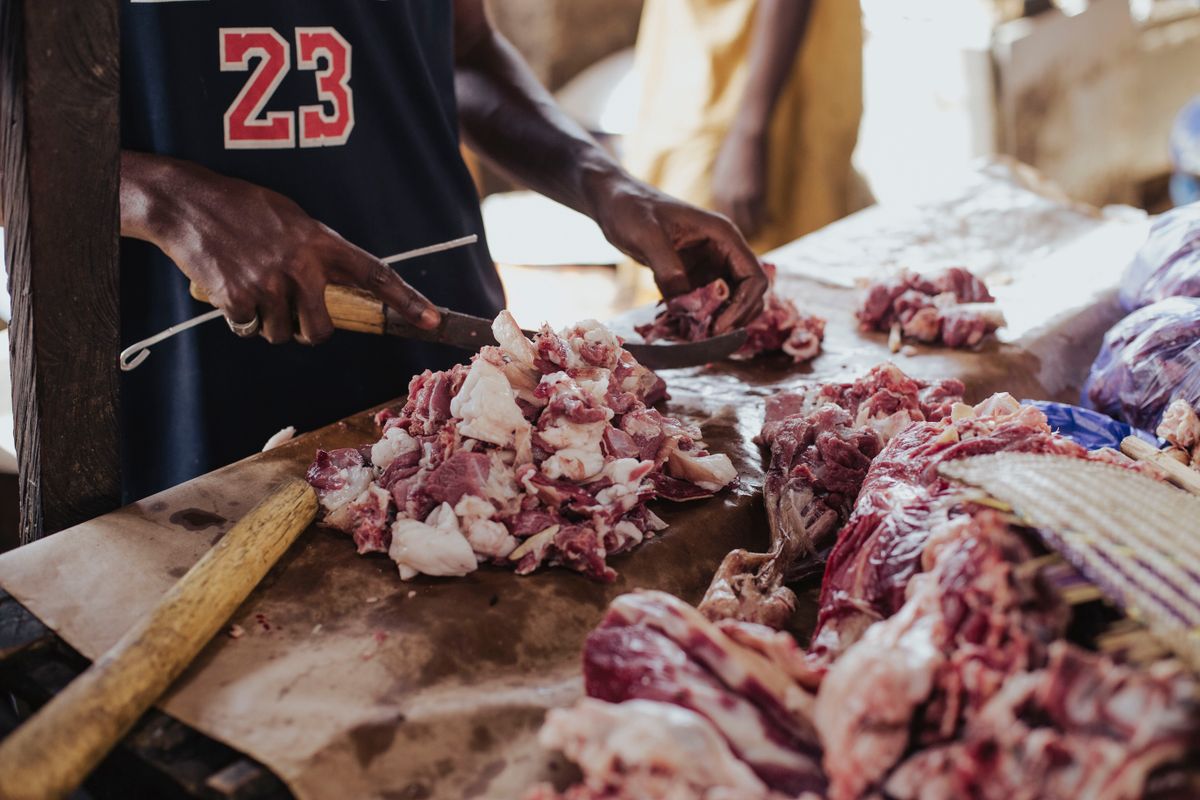
The biggest concern is beef. The USDA expects beef and veal prices to rise 9% in 2026, making this one of the grocery categories under the strongest price pressure.
The cattle supply is also tight. The January 1 cattle inventory stood at 86.2 million head, the lowest level in 75 years, according to figures cited in KRGV’s reporting.
Ground beef averaged $6.79 per pound in September, compared with $3.89 in January 2020.
If your household regularly uses ground beef for burgers, meatballs, tacos, or pasta dishes, watch for supermarket promotions. Buying an extra package when it is discounted may help you manage future grocery bills. Store only what you can reasonably use and have enough freezer space to keep.
Canned and Jarred Tomato Products
Tomatoes are another item worth watching. Roma tomato prices were reportedly up 27.5% year over year in November, according to the Bloomberg Price Index cited by Yahoo Finance.
Tariffs on fresh Mexican tomatoes and higher transportation costs are adding pressure to the market. Estimates suggest the changes could push consumer tomato prices higher, according to FreshPlaza.
This does not mean canned tomatoes are disappearing from supermarket shelves. The available price figures relate to fresh tomatoes, and no confirmed evidence shows a canned-tomato shortage.
Still, canned diced tomatoes, tomato sauce, and tomato paste are useful pantry staples for people who regularly prepare pasta sauces, stews, and other home-cooked meals. Buy them on promotion rather than waiting until you need them.
Potatoes
Potatoes may look like an ordinary grocery item, but shoppers could notice higher prices in the coming months.
Idaho’s fall potato harvest was reportedly down 13% from 2025, following reduced planting, heat waves, and cold snaps. Red potato prices were also up 29.9% year over year, according to figures reported by Yahoo Finance.
That is a meaningful increase for a food that appears in many American households.
If potatoes are a regular part of your shopping list, consider buying a reasonable amount while prices are still manageable. Store fresh potatoes in a cool, dark place with good ventilation.
Instant and dehydrated potato products are other options for households that prefer longer-lasting pantry supplies.
Frozen Vegetables
The fresh produce section is another place where shoppers may notice rising costs.
The USDA forecasts fresh vegetable prices to increase by 6.5% in 2026. Weather-related crop losses and transportation delays are among the pressures affecting produce prices, according to Yahoo Finance.
Frozen vegetables are worth considering because, when kept properly frozen, they can be stored longer than fresh produce.
Peas, corn, green beans, broccoli, and mixed vegetables are practical options for households that regularly use them in meals. You can buy them when they are discounted and keep them available without having to use everything immediately.
No confirmed frozen vegetable shortage exists, but the category is worth watching as grocery prices change.
Frozen or Canned Seafood
Seafood is another grocery category facing above-average price pressure.
The USDA has identified fish and seafood among the categories expected to experience faster-than-historical price increases. Tariffs are also a concern because a significant portion of seafood sold in the United States comes from international suppliers.
In a Yahoo Finance report, Cal Poly agribusiness professor Ricky Volpe explained how tariffs can particularly affect imported products such as seafood.
Shoppers who regularly buy tuna, salmon, shrimp, or other seafood products may want to compare prices across brands and package sizes.
Canned seafood is convenient to keep in the pantry, while frozen options can be useful when purchased on sale.
However, available evidence does not support claims of a nationwide canned tuna shortage. The concern here is potential price increases, not empty shelves.
Sugar and Baking Supplies
Bakers may want to watch the baking aisle more closely. The USDA forecasts sugar and sweets prices to increase by 6.5% in 2026. Higher packaging and production costs are among the factors pressuring food prices.
According to FMI, the Food Industry Association, rising energy costs are also driving up grocery expenses.
Sugar is a practical pantry staple for households that regularly bake cakes, cookies, and other treats.
If you use sugar frequently, buying an additional bag during a good promotion could make sense. The same applies to baking supplies you already use regularly.
There is no reason to purchase excessive quantities. Focus on products that fit your normal cooking and baking habits.
Frozen Chicken
With beef becoming more expensive, chicken may be an option for shoppers looking to manage their grocery budgets.
The USDA lowered its production expectations for broiler chickens in 2026 and 2027, citing recent production figures and higher expected input costs. It also raised fourth-quarter chicken price projections.
The agency’s November 18 poultry and eggs outlook provides more detail on changing production and price expectations.
Rising animal feed costs are another pressure affecting poultry production, according to the FAO’s November 2026 Food Outlook.
Chicken remains a useful alternative for households that want to prepare familiar meals without relying entirely on beef. If you find a good sale on chicken breasts, thighs, drumsticks, or whole chickens, consider buying a modest extra quantity.
Just make sure you have enough freezer space and follow appropriate food-storage guidance.
Frozen Turkey
Thanksgiving may be over, but turkey is still worth watching. According to Stateline’s November 24 report, U.S. turkey production has recovered to approximately 5.1 billion pounds after two years of declining output. That means the country is not facing a nationwide turkey shortage.
However, prices remain higher. Wholesale hen prices averaged $1.76 per pound, compared with $1.36 a year earlier. Retail prices increased by a smaller amount because of supermarket promotions.
This creates an opportunity for shoppers who enjoy turkey year-round. Post-Thanksgiving clearance sales may offer a chance to purchase a frozen turkey at a better price.
Compare supermarket offers before buying, and only purchase a size your freezer can accommodate.
Snacks and Packaged Pantry Foods
It is easy to overlook the snack aisle when thinking about grocery inflation, but packaged foods are also becoming more expensive.
The Bureau of Labor Statistics reported that the broader category of other food at home increased by 0.7% in October. Snack prices specifically rose by 1%.
That may not sound like much, but regular purchases of crackers, cookies, chips, and other packaged snacks can gradually increase a household’s grocery bill.
Rather than buying large quantities out of fear of shortages, look for discounts on the brands your household already enjoys.
Comparing package sizes and unit prices can also help you identify which offers are genuinely worthwhile.
Coffee
Coffee deserves a place on the shopping watchlist, although there is less reason to rush out and stockpile it right now. Retail coffee prices were 7.1% higher in September than a year earlier, according to figures reported by The Seattle Times.
However, the Bureau of Labor Statistics recorded a 3.6% monthly decline in coffee prices in October. The USDA also reports that coffee prices have risen faster than other nonalcoholic beverages during 2026. This means the market has been volatile, rather than moving in only one direction.
If you drink coffee regularly, compare prices and take advantage of a good promotion. Sealed packages of ground or whole-bean coffee can be kept for future use, but there is no need to buy several months’ worth simply because prices have been unpredictable.
What You Should Not Stockpile Right Now
Not every grocery item is becoming more expensive. In fact, some familiar products are expected to become cheaper.
The USDA forecasts egg prices to fall by 29.5% in 2026 as poultry flocks recover from bird flu disruptions. Dairy products and fats and oils are also forecast to become less expensive. That makes these categories less attractive for panic buying.
Excessive stockpiling can also create problems for other households. Food banks across parts of the United States are dealing with demand at or above pandemic levels, according to CNBC reporting.
The USDA also reported that 13.7% of U.S. households experienced food insecurity in 2024.
Buying more than your household needs can put unnecessary pressure on your budget and contribute to waste.
Shop Smart, Not Scared
Rising grocery prices are a real concern, but they do not mean supermarket shelves are about to go empty.
The smartest approach is to buy two to four weeks of groceries your household already uses, pay attention to supermarket promotions, and prioritize products that can be stored properly.
Beef, potatoes, tomatoes, frozen vegetables, and seafood deserve attention because price pressures are affecting those categories. Coffee, meanwhile, is worth monitoring rather than rushing to purchase.
You do not need a garage full of canned goods or a freezer packed with meat to prepare for changing grocery prices.