James Carville Turns New York’s Socialist Shockwave Into a Democratic Identity Crisis
James Carville has never been a man who whispers when he thinks the house is on fire. This week, the veteran Democratic strategist aimed a political flare at his own side after a stunning round of left-wing primary wins in New York City. His message was blunt: not every candidate running on the Democratic ballot should automatically be treated as a Democrat.
The spark was Darializa Avila Chevalier, a democratic socialist who won the Democratic primary in New York’s 13th Congressional District after receiving support from New York City Mayor Zohran Mamdani. Her victory over longtime Rep. Adriano Espaillat did more than produce another upset. It deepened a national argument over whether the Democratic Party is expanding its tent or watching a rival movement settle inside it.
Carville’s anger was not subtle.
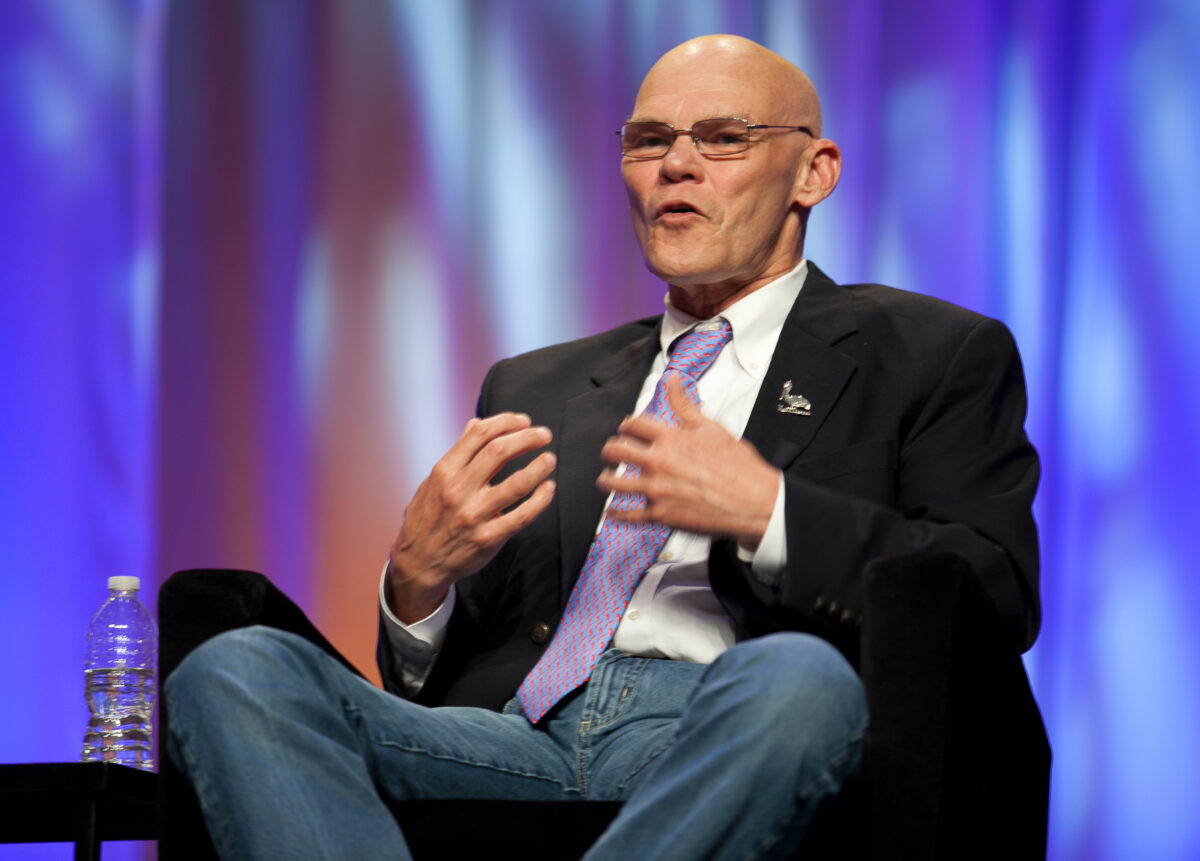
After the primary results, he argued that candidates with views far outside the Democratic mainstream should build their own political home rather than wear the party label. His complaint was less about one race than about a brand problem Democrats have struggled with for years. In Carville’s view, the party cannot sell itself to swing voters while also absorbing candidates who call for sweeping changes to policing, immigration enforcement, and foreign policy.
That is why this fight feels bigger than one congressional district. New York’s 13th, covering parts of Upper Manhattan and the Bronx, is safely Democratic territory. Whoever wins the Democratic primary is positioned strongly for November. But the national implications travel far beyond Harlem, Washington Heights, or the Bronx. Republicans are eager to paint the whole Democratic Party as captive to its most left-leaning activists. Carville knows how quickly a local slogan can become a national attack ad.
Mamdani’s role makes the moment even more dramatic. The New York mayor has become a powerful figure for the city’s democratic socialist wing, and his endorsed candidates have shown they can move real votes in low turnout, high-intensity primaries. To supporters, that is proof of a new political engine, younger, bolder, and impatient with establishment caution. To critics, it is a warning that organized ideological groups can push the party into fights that thrill primary voters but frighten the middle.
Chevalier’s supporters see her win as a breakthrough.
They argue that voters are tired of cautious incumbents, donor-driven politics, and promises that never seem to land in working-class neighborhoods. Her rise reflects frustration over housing costs, inequality, immigration enforcement, student debt, and the war in Gaza. Those issues are not fringe concerns for many Democratic voters. They are daily pressures and moral tests.
But Carville’s warning lands because Democrats still have to win outside deep blue districts. In suburban House seats, Senate battlegrounds, and presidential swing states, the party’s image can matter as much as any single platform. When one nominee becomes a symbol of the party’s left edge, moderates in Arizona, Pennsylvania, Georgia, or Wisconsin may be forced to answer for positions they never endorsed. That is the nightmare Carville is trying to describe.
There is also a deeper question hiding inside the uproar: what does party membership actually mean? In America’s two-party system, Democrats have long housed moderates, liberals, labor voices, civil rights leaders, climate hawks, socialists, and foreign policy traditionalists under one roof. That coalition is messy by design. Trouble begins when the family argument becomes a public identity crisis, and voters no longer know which wing speaks for the whole house.
Carville’s critics would call his panic outdated. They would argue that the Democratic establishment has spent years warning against bold progressive politics while failing to deliver the kind of change that keeps voters loyal. They may see Chevalier’s win not as a hijacking, but as democracy doing exactly what it is supposed to do: replacing leaders when voters want a different direction.
Still, Carville’s central point cannot be dismissed as old guard grumbling. Political parties are not only debating clubs. They are vehicles for winning power. If Democrats cannot define what they stand for, opponents will gladly do it for them.
The New York primary results did not settle the Democratic Party’s future. They exposed the fight over it. Carville simply said the quiet part in his usual thunderclap style: the party has to decide whether its big tent is still a coalition, or whether it has become a battlefield with the same name on every flag.