King Charles Revealed His Tax Bill, but the Royal Money Questions Are Far From Over
King Charles has made a rare move that instantly pulled royal finances back into public debate: he revealed how much tax he paid.
For the 2024-25 financial year, the King’s tax bill came to £12.9 million. The year before, it was £11.7 million. Since becoming monarch in 2022, he has paid more than £30 million in tax. On paper, that sounds like a major step toward openness. For a royal family often accused of operating behind financial fog, the disclosure is significant.
But here is where the story gets more interesting. The numbers answer one question, while opening several others. The public now knows what the King paid. What it still does not fully know is how the final figure was calculated, what income was counted, what was deducted, and how much of the royal financial machine remains outside ordinary public view.
The King’s tax bill is historic, but not legally required.
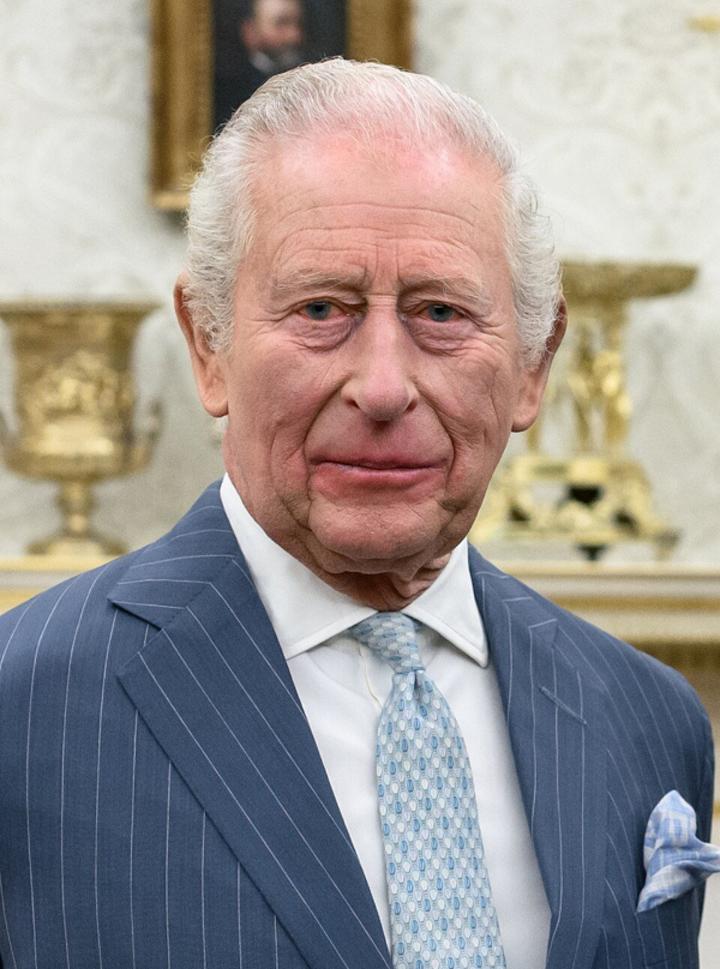
King Charles is not paying this tax because the law forces him to do so, just as it forces ordinary taxpayers. British monarchs have long enjoyed special tax arrangements, and the modern practice of voluntary royal tax payments dates back to those established under Queen Elizabeth II in the 1990s.
That is why this disclosure matters. Charles is not simply publishing a routine filing. He is choosing to show the public a number that previous monarchs did not present in this way. Supporters will call that modernization. Critics will say voluntary transparency is still not the same as full accountability. Both things can be true at once.
£12.9 million is a huge number, but it is only part of the picture
The headline figure is eye-catching: £12.9 million in tax for 2024-25. That places the King among Britain’s highest taxpayers, according to royal officials. It is also higher than the £11.7 million tax bill reported for 2023-24.
But a tax bill is not the same thing as a full financial statement. It does not automatically reveal total wealth, total income, private assets, deductions, exemptions, or how different categories of royal money interact. In simple terms, the public has been shown the receipt, not the full shopping list.
The Duchy of Lancaster remains central to the debate
Much of the King’s private income is tied to the Duchy of Lancaster, a historic estate that provides income to the monarch. The duchy includes land, property, investments, and commercial holdings. In 2025-26, it reportedly generated £25.2 million for the King.
That income is traditionally known as the Privy Purse. It helps fund both private and official expenses, including some costs connected to other members of the royal family. This is where the debate gets complicated. When money serves both personal and official purposes, the public naturally wants to know where the line is drawn.
Prince William’s tax bill now matters too

This was not only about King Charles. Prince William also disclosed his own tax payment, saying he paid £7.76 million in income and capital gains tax for 2024-25. Since becoming Prince of Wales, he has paid more than £20 million in tax.
William receives income from the Duchy of Cornwall, another huge hereditary estate. Like his father, he voluntarily pays tax on income not used for official duties. His disclosure matters because the heir to the throne is now being pulled into the same transparency conversation. The next generation of monarchy cannot avoid the questions the current one is trying to manage.
The timing is impossible to ignore
The royal family is not releasing these figures in a quiet period. The monarchy has faced sharper public scrutiny of its wealth, public funding, royal property, and the fallout from controversies linked to Andrew Mountbatten-Windsor, formerly Prince Andrew.
That context matters. This tax disclosure may be sincere, but it is also strategic. The palace understands that modern institutions survive by explaining themselves. A monarchy that wants public respect in 2026 cannot rely only on tradition, ceremony, and balcony appearances. It also has to talk about money.
Buckingham Palace is being renovated, but Charles will not live there
Another major detail adds fuel to the conversation. King Charles and Queen Camilla are expected to keep living at Clarence House even after Buckingham Palace’s long and expensive refurbishment is completed.
The palace will remain the ceremonial and operational center of the monarchy, but not the King’s main residence. To some people, that may sound practical, especially if the goal is to increase public access to Buckingham Palace. To others, it raises a sharper question: if taxpayers help maintain royal buildings, how exactly should those buildings serve the public?
Public funding is still the bigger argument
The King’s personal tax bill is large, but public funding of the monarchy is still what many people will focus on. The Sovereign Grant, which funds official royal duties and palace maintenance, is set to remain a major part of the conversation, especially with palace renovation costs and future funding reviews.
This is why the tax disclosure may not quiet critics for long. Paying millions in voluntary tax sounds impressive, but many taxpayers will still ask how much the monarchy receives, how much it costs, and whether the current arrangement is fair in a period when many households are under pressure.
Transparency is not the same as total openness
The palace has framed the tax disclosure as part of a push for clarity and accessibility. That language is important. It suggests the royal household knows the old style of saying little and expecting loyalty no longer works as well.
Still, critics argue that the disclosure does not go far enough. The public has not been given a full breakdown of income sources, deductions, private wealth, gifts, or the full financial arrangements surrounding royal estates. This is the tension at the heart of the story: the monarchy has opened a door, but not the whole house.
The monarchy is trying to modernize without weakening itself

Charles has spent much of his reign trying to present a leaner, more practical, more modern monarchy. Publishing tax information fits that image. It says: we hear the questions, and we are willing to show more.
But there is a delicate balance. The more the monarchy reveals, the more people may ask. Once the public sees one number, it naturally wants the next number, then the next explanation, then the full system. That is the risk of partial transparency. It can calm suspicion, but it can also sharpen curiosity.
The real issue is public trust
At the center of this story is not just tax. It is trust.
For royal supporters, the King’s disclosure may appear to be responsible leadership. He paid a major tax bill, publicly released the figure, and signaled that the monarchy understands the need to evolve.
For critics, it may look like a carefully managed reveal that still leaves too much hidden. They may ask why royal tax payments remain voluntary, why the public does not see more detailed financial information, and why the monarchy still enjoys arrangements unavailable to ordinary citizens.
Both reactions show the same thing: royal money is no longer a side issue. It is now part of the monarchy’s public survival story.
Charles gave Britain a number, not the full answer
King Charles’ £12.9 million tax bill is a historic disclosure. It is also a clever political and public-relations move at a time when the monarchy needs to show that it understands public pressure.
But the bigger debate is not over. If anything, this announcement may make people look more closely at how royal money works. The King has shown what he paid. Now the public may want to know what he earned, what was excluded, what was deducted, and how much more remains behind palace walls.
The monarchy has taken a step toward transparency. The question now is whether that step is enough, or whether it has simply reminded people how much they still cannot see.