Louisiana’s Famous Meat Pie Packs a Big History Into One Crispy Half Moon
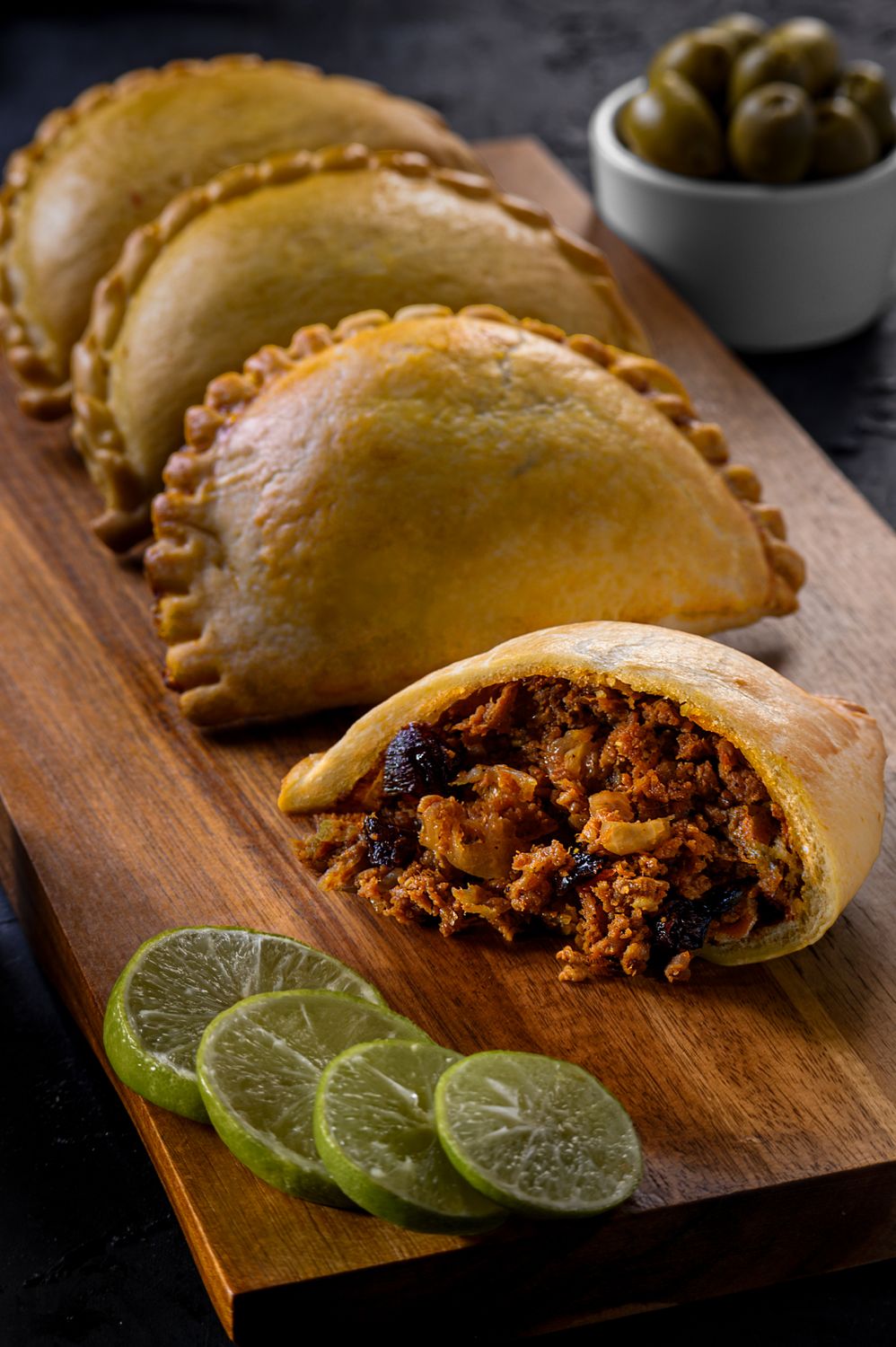
Louisiana knows how to make a meal memorable, but one of its signature foods comes neatly sealed in pastry. The Natchitoches meat pie is a savory, empanada-like hand pie filled with ground beef and pork in seasoned gravy, traditionally deep-fried until its crust turns crisp. It can be a snack, part of a restaurant lunch, or something picked up at a festival. Behind that convenient half-moon shape is a history involving home cooks, Creole entrepreneurs, and a restaurant that helped bring a local specialty to national attention.
The name connects the pie to Natchitoches, Louisiana’s oldest permanent European settlement, rather than to the state’s better-known New Orleans food scene. Its exact origins remain uncertain, but written evidence places meat pies there by 1826. Since then, the tradition has expanded beyond its hometown, with baked preparations, different seasonings, and crawfish-filled relatives sharing space with the familiar beef-and-pork version. Louisiana formally recognized the Natchitoches meat pie as its official state meat pie in 2003, giving an established regional favorite a statewide title.
A Local Favorite With More Than One Possible Ancestor
There is no verified single-inventor story here, and the uncertainty is part of the history worth preserving. Food writer Chris Jay, writing for the Louisiana Endowment for the Humanities’ 64 Parishes encyclopedia, identifies missionary Timothy Flint’s travel journal, published in 1826, as the earliest known documentation. The dish’s roots may stretch back further, but that is different from having proof of a particular eighteenth-century cook creating the first one. The paper trail establishes an early tradition, not a precise birthday.
One theory links the pie to Spanish empanadas, potentially introduced through soldiers stationed at nearby Los Adaes during the eighteenth century. Another points toward French Canadian tourtière, the meat pie that Natchitoches founder Louis Juchereau de St. Denis may have known. Neither possibility establishes a direct, documented family tree. As Jay explains, the local tradition was “almost certainly the product of intercultural borrowing between the many groups who intermingled there.” The most defensible account is one of exchange rather than exclusive ownership by a single culture.
That exchange depended on people whose names deserve room beside the better-known restaurant owners. Creoles of color from Isle Brevelle, along the Cane River south of Natchitoches, helped establish the pies’ reputation. Among them were Ascher Rouqier, whose death prompted a lament in the Natchitoches Enterprise in 1913, and Louise Sarpy, who advertised meat pies to tourists in the 1950s and 1960s. Their work shows that the dish had both a customer base and skilled commercial makers long before it became a nationally publicized restaurant attraction.
The Restaurant That Helped Put the Pie on the Map
James Lasyone did not invent the Natchitoches meat pie. His contribution was making it more consistently available to visitors when he opened Lasyone’s Meat Pie Kitchen and Restaurant in 1967. Earlier restaurants had served the pies, but anyone seeking a large order might still have needed to locate an individual local maker. Lasyone’s helped turn that sometimes unpredictable search into a dependable restaurant stop, with cooked-to-order pies and dining rooms that eventually accommodated about 100 guests.
Lasyone himself remembered the food as an established part of town life. “We walked into town on Saturdays and there would be people with little carts, pushing them up and down the street,” he told UPI in 1982, recalling his childhood in a sharecropping family. His recollection gives the pie’s handheld reputation a concrete setting: vendors selling a familiar food to people out in town. It also reinforces an important distinction between popularizing a dish through a restaurant and originating the tradition behind it.
National coverage helped transform that restaurant stop into a destination. A February 1974 House Beautiful story praising Natchitoches and its meat pies was followed by attention from writers including Craig Claiborne of The New York Times and Calvin Trillin of The New Yorker. By 1982, Lasyone told UPI, “Travel agencies call us from all over the United States.” The reporting connected the pies to tourism, bringing travelers to the town while carrying the food’s reputation beyond Louisiana.
Related: 9 Things Long-Married Couples Say They Stopped Doing — and Were Happier for It
Regional Variations Keep the Tradition Moving
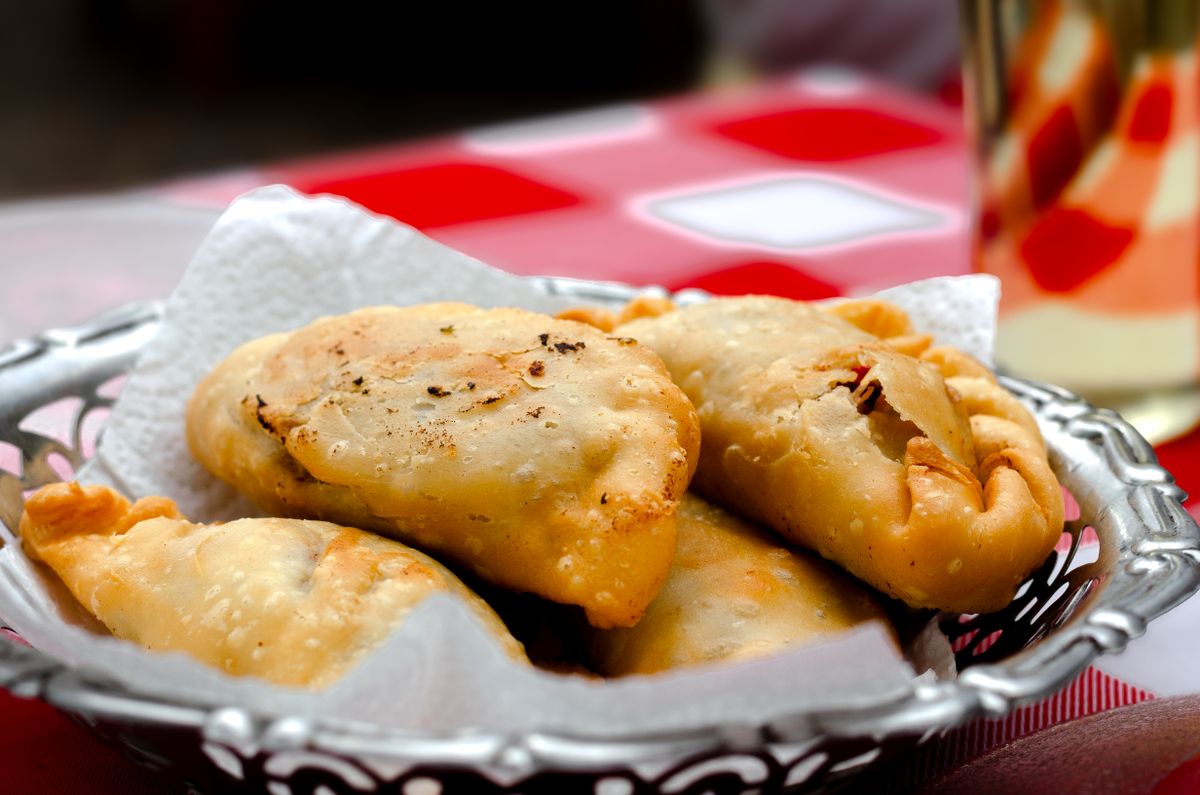
The classic version has a recognizable foundation: beef and pork, aromatic vegetables and seasonings, and a folded pastry shell. Caroline Eubanks, writing for This Is My South, describes the familiar filling as including garlic, bell pepper, and onion. Deep-frying produces the traditional crisp exterior, although 64 Parishes also documents baking as an alternative. Those shared features explain why different cooks’ versions can remain recognizable as Natchitoches-style meat pies without tasting identical or following one universally fixed formula.
The variations are not confined to distant corners of Louisiana. Eubanks documents traditional meat pies and crawfish pies at Merci Beaucoup in Natchitoches, along with regular, spicy, and crawfish options at French Market Express. Crawfish changes the filling substantially, so it is more precise to describe it as a related hand-pie variation than to pretend it is the same beef-and-pork recipe. The examples also show why sweeping claims that every northern pie is mild and every southern one is fiery would oversimplify the choices already available within the hometown itself.
Today, pies appear in restaurants, bars, convenience stores, and festivals across Louisiana and the Southeast, according to 64 Parishes. Their reach reflects both convenience and a history of people making, selling, and promoting them. Still, easy to hold does not mean effortless to produce. “Making meat pies is really a job,” Lasyone told UPI. “It requires a lot of time and careful handling.” That blend of portability and patient craftsmanship helps explain how a local specialty became a Louisiana calling card without losing its hometown story.