Give the Party Platter a Little Crunch With These Crispy Salmon Rice Paper Rolls
Chips and dip can stay. These salmon rice paper rolls give the party platter another reason to draw a crowd. Wrapped in thin rice paper and pan-seared until blistered, they deliver crisp edges, a slightly chewy wrapper, and tender fish inside. Bon Appétit recipe developer Shilpa Uskokovic builds her version around red curry paste and a lime dipping sauce, then surrounds the rolls with lettuce, herbs, and crunchy vegetables.
The appeal is not just the golden exterior. Rice paper also helps hold the fish together as it cooks, turning strips of salmon into neat rolls without a breadcrumb coating. “When seared in hot oil, the rice paper turns delicately crisp with a mochi-like pull, offering a wealth of textures in every bite,” Uskokovic writes. Expect crunch with a little chew, not the uniformly brittle shell of a battered appetizer.
For entertaining, there is one important catch: these are best treated as a freshly cooked appetizer rather than something to leave sitting on the buffet all afternoon. Uskokovic recommends eating them as they come offthe heat for the strongest contrast in temperature and texture. Her four-serving recipe offers a clear starting point, with straightforward ingredients and a skillet method that doesn’t require deep-frying. Here is how to bring it together without making the wrapper the evening’s main challenge.
Start With Salmon, Curry Paste, and a Bright Little Dip
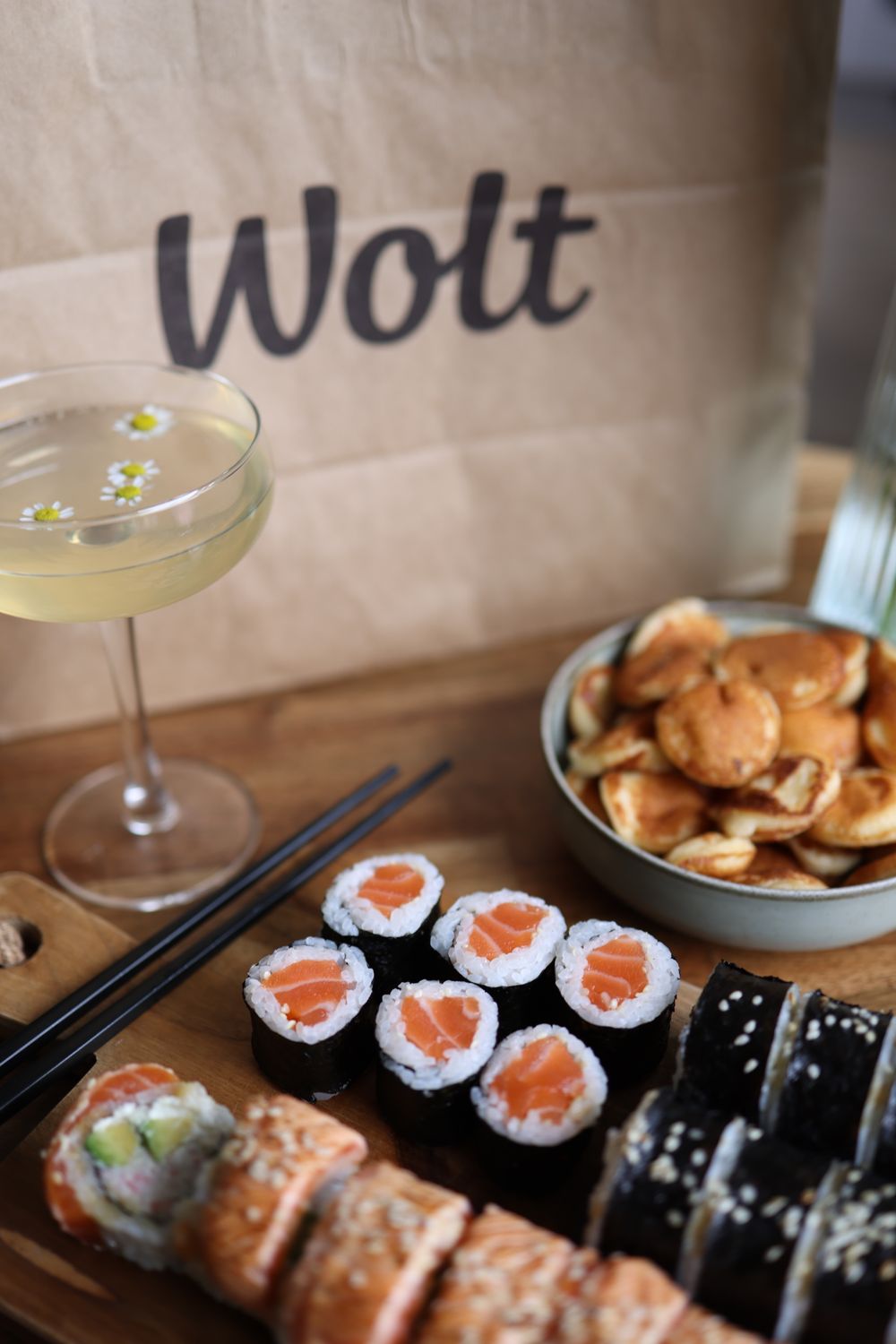
For Uskokovic’s version, gather 1 pound skinless salmon, 8 to 12 eight-inch rice paper rounds, and 4 tablespoons vegetable oil. You will also need 3 tablespoons plus 1 teaspoon red curry paste, 3 tablespoons fresh lime juice, and 1 tablespoon plus 1 teaspoon sugar. Her seasoning calls for 2 teaspoons Diamond Crystal kosher salt or 1¼ teaspoons Morton kosher salt, plus additional salt for the dipping sauce. Follow the measurement for the brand you use.
Slice the salmon into strips approximately three inches long and one inch wide. Uskokovic acknowledges that they will not all be perfectly uniform, so there is no need to turn trimming into a precision competition. Toss the fish with three tablespoons curry paste, one teaspoon sugar, and the measured kosher salt until evenly coated. This recipe wraps the salmon raw and cooks it inside the rice paper; no separate searing step is needed before assembly.
Make the dipping sauce before you start wrapping. Stir together the three tablespoons lime juice, remaining tablespoon sugar, and remaining teaspoon curry paste, then season with salt. That gives you a simple accompaniment without another pan or a lengthy ingredient list. Prepare the serving vegetables now, too: tender lettuce, thinly sliced radish, Persian cucumber, and herbs such as cilantro, dill, or Thai basil. They are part of Uskokovic’s suggested platter, not additional fillings inside these rolls.
Other verified ways to build a salmon rice paper roll exist, but their methods differ.Lee Kum Kee’s version combines cooked salmon with rice, avocado, and green onion, then pan-fries it. Skinnytaste creator Gina Homolka pairs raw salmon with a cooked, cooled vegetable filling. These are separate recipes with different cooking schedules, so choose one approach rather than borrowing the filling from one and assuming the other’s timing will still apply.
Related: Millions of Eggs Pulled From Stores After Salmonella Warning Hits Kroger Shoppers Across the Midwest
Soften the Rice Paper Without Turning It Into a Sticky Puzzle
Set out a shallow bowl or rimmed baking sheet filled with room-temperature water. Working with one rice paper round at a time, soak it until pliable but not floppy, about 20 seconds in Uskokovic’s recipe. Lift it out, shake off excess water, and place it on your work surface. The distinction between flexible and limp matters here: you need a wrapper you can handle, cut, and roll around the fish.
Using a sharp knife, cut the softened round in half. Place a strip of seasoned salmon on each half, then gently but tightly roll the rice paper around it. Leave the ends open; Uskokovic specifically notes that a little fish peeking out is fine. Transfer each assembled roll to a lightly oiled rimmed baking sheet while you finish the rest. This is a narrow, open-ended roll, not a fully enclosed parcel folded like a burrito.
Careful handling recurs across published rice paper recipes. Homolka cautions that wet wrappers can tear or stick together and recommends a damp, clean kitchen towel as a working surface for her enclosed salmon spring rolls. Her pan instructions also warn against allowing the rolls to touch. The key takeaway is patience: work individually, avoid wrestling with the wrappers, and follow the soaking and folding directions in your chosen recipe.
Heat two tablespoons vegetable oil in a large cast-iron or nonstick skillet over medium heat. Add five to eight rolls at a time and cook, turning often with a fish or offset spatula, until the wrappers are golden, crisp, and blistered in spots. Uskokovic gives a cooking range of six to eight minutes. If a roll sticks, she advises letting it cook a little longer until it releases naturally, rather than pulling it off immediately.
Build the Platter Around Freshly Cooked Rolls
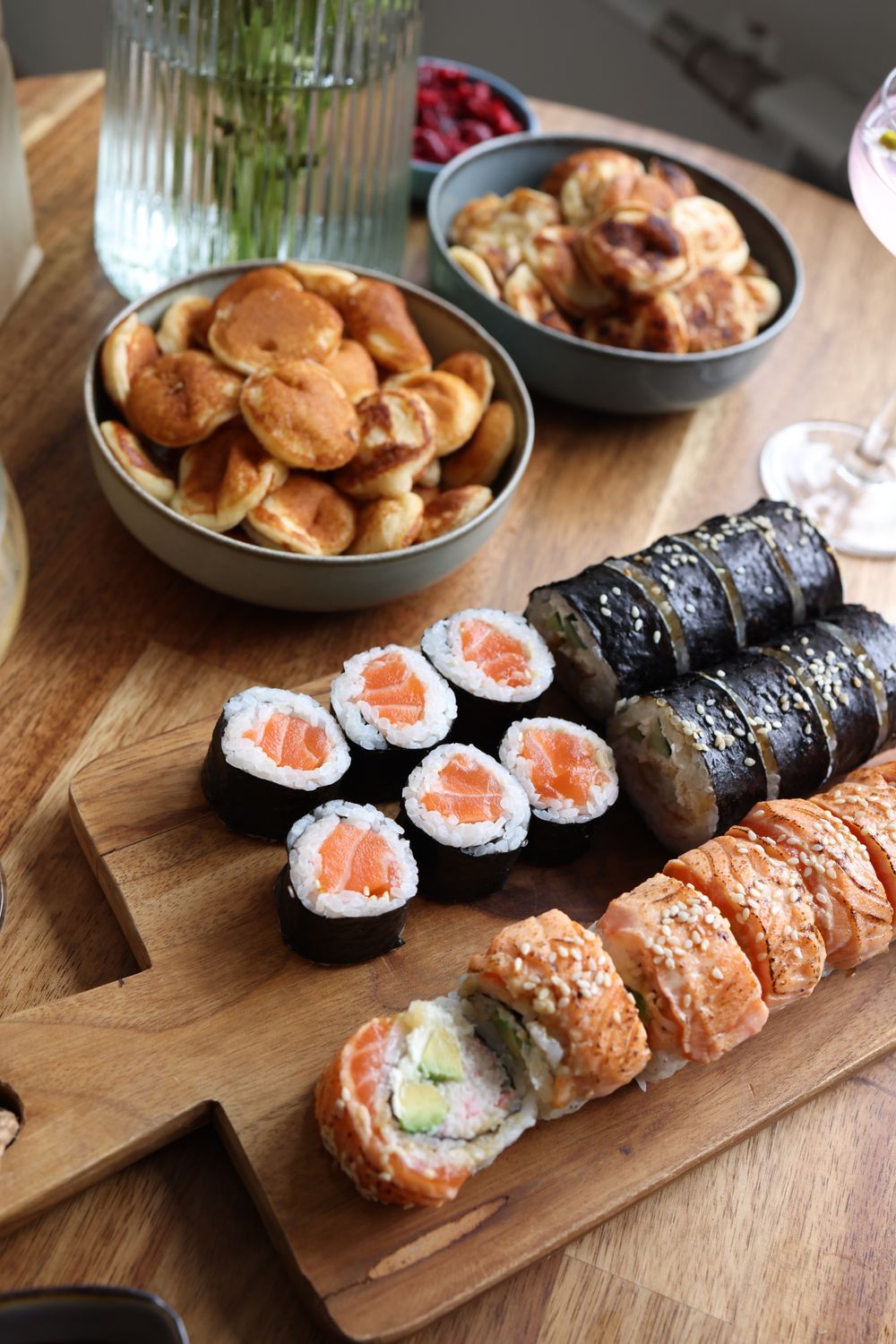
Transfer the cooked rolls to a wire rack and repeat with the remaining batch, adding the other two tablespoons of oil as needed. However,the recipe states that the fish cooks during the searing time, check doneness rather than relying solely on a browned wrapper or the clock. The Food and Drug Administration recommends cooking seafood to an internal temperature of 145°F. A food thermometer provides a safety check that appearance alone cannot reliably supply.
Arrange the rolls on a platter with the lime dipping sauce, lettuce, herbs, radish, and cucumber alongside them. This keeps the presentation close to Uskokovic’s recipe while giving guests fresh accompaniments between bites. Her strongest serving advice is also the most relevant for a party: “Plan to eat these as they come off the heat.” Serving successive small batches is a practical way to respect that freshly seared texture instead of cooking everything far in advance.
Keep the gathering’s food-safety clock in mind, too. The FDA says seafood should not sit unrefrigerated for more than two hours, or one hour when temperatures exceed 90°F. For this particular appetizer, prompt serving also delivers the experience the recipe promises: warm salmon, a crackly-chewy wrapper, and a sharp little dip. Put those fresh accompaniments within reach, bring out the hot rolls, and let the platter offer something beyond the usual handful of chips.