New AP-NORC Poll: Trump’s Iran War Strategy Faces Growing Public Doubts as Pressure Rises Among Americans and Republicans.
President Donald Trump’s approach to the Iran conflict is facing a new political challenge as a fresh AP-NORC poll reveals growing concerns among Americans about the war’s costs, purpose, and long-term consequences. Even within Trump’s Republican base, support is showing signs of tension as voters weigh national security priorities against fears of prolonged conflict and economic uncertainty.
The poll arrives at a critical moment for the White House, where foreign policy decisions are increasingly colliding with domestic concerns. Americans are watching developments in the Middle East while also worrying about issues closer to home, including inflation, energy prices, and the overall cost of living.
Trump has defended his Iran strategy as a necessary move to protect U.S. interests and demonstrate strength against a longtime adversary. His supporters argue that a forceful response is needed to prevent future threats and protect American security.
But the latest polling shows that many voters are asking tougher questions about the direction of the conflict. They want to know whether the mission has a clear objective, how long it could last, and what consequences the United States may face.
The debate is becoming more than a foreign policy issue. It is turning into a political test for Trump’s leadership and his ability to maintain support during a difficult international crisis.
Public Confidence in Iran Strategy Begins to Shift
The AP-NORC poll shows that a growing number of Americans are skeptical about the conflict and whether the United States should remain deeply involved.
Public opinion on military action often changes over time. At the beginning of international crises, many Americans support decisive action, especially when leaders frame it as necessary for national security.
However, as conflicts continue, voters often begin focusing on practical concerns. They want clearer explanations about goals, costs, and possible outcomes. The Iran conflict is now facing that stage of public evaluation.
Many Americans are questioning whether military involvement will create lasting security benefits or whether it could lead to a longer and more complicated confrontation.
The concerns are not limited to one political group. While Democrats and independents have generally expressed more skepticism toward Trump’s approach, the poll also shows pressure building among Republicans who traditionally support the president’s foreign policy decisions.
That shift makes the issue politically significant.
Trump has built much of his political identity around projecting strength and taking aggressive action against perceived threats. Any decline in confidence among his supporters could create challenges for his administration’s messaging.
Trump’s Strongman Image Faces a Foreign Policy Test

For years, Trump has presented himself as a leader willing to take bold action on the world stage. His supporters have often praised his willingness to challenge foreign governments and reject what they view as weaker approaches from previous administrations.
The Iran conflict fits into that broader image. Trump has argued that confronting Iran is necessary to protect American interests and prevent instability from spreading further. Supporters believe a strong response can discourage future threats and strengthen the United States’ position globally.
Critics see the situation differently. They argue that military involvement carries risks and that the administration must provide a clear explanation of how the conflict will end.
The challenge for Trump is maintaining public confidence while answering questions that have historically troubled presidents during overseas conflicts.
Military action can demonstrate leadership, but voters also expect results. If Americans begin believing the costs outweigh the benefits, political support can weaken quickly.
The latest poll suggests that the White House must continue making its case to the public.
Republican Support Remains, But Questions Are Growing
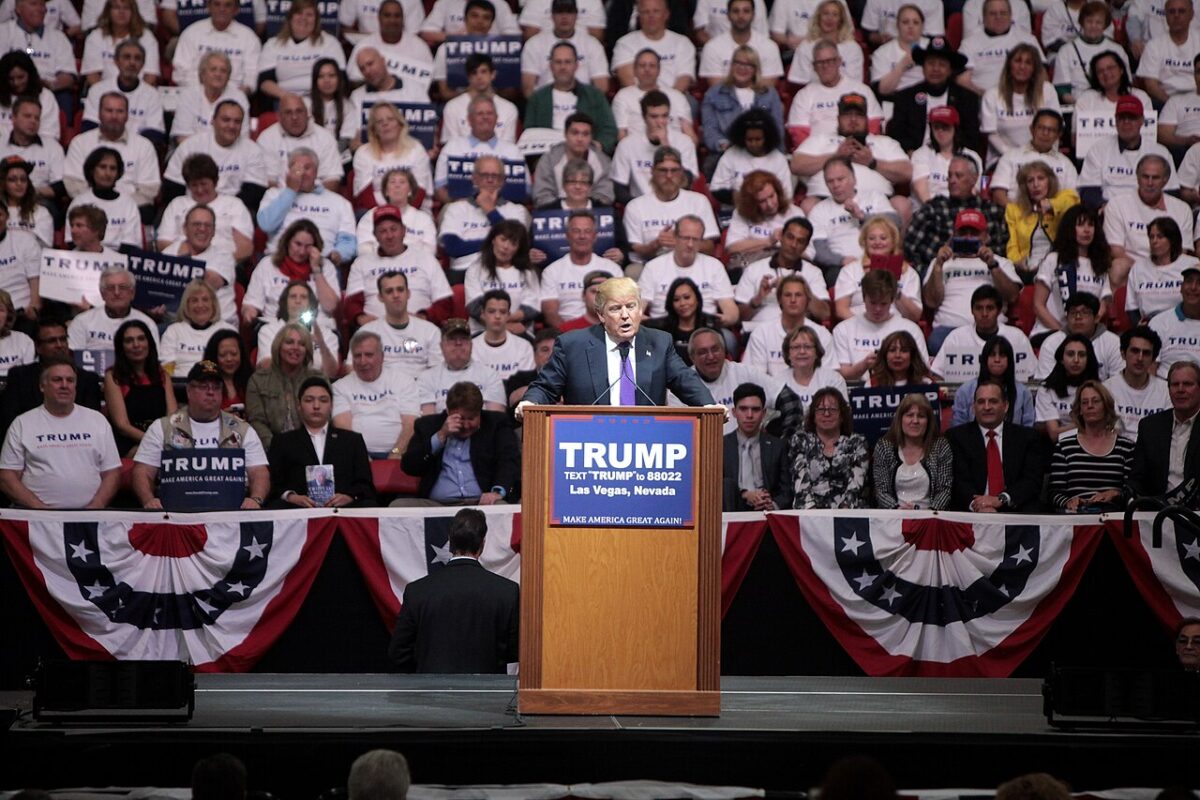
Trump continues to receive stronger support from Republicans than from Democrats or independents regarding his Iran policy.
However, the emergence of doubts among some Republican voters is an important development because Trump’s political strength has long depended on maintaining strong loyalty within his party. Foreign policy disagreements can create complicated political situations for elected officials.
Republican lawmakers and voters who support Trump’s approach may still believe confronting Iran is necessary. Still, they may also worry about economic consequences, military risks, and the possibility of a conflict expanding beyond its original purpose.
Some conservatives have historically supported a more limited U.S. role in foreign conflicts, emphasizing concerns about long wars and overseas commitments.
That creates a debate inside the Republican Party itself. The question is not simply whether the United States should respond to Iran. It is also how far that response should go and what limits should exist.
For Trump, keeping Republican support may depend on convincing voters that the strategy has a clear goal and a realistic path forward.
Energy Prices Become a Major Political Concern
The Iran conflict has also raised concerns about energy markets, adding another challenge for the administration. The Middle East remains a crucial region for global energy supplies, and tensions involving Iran can create uncertainty in oil markets.
For Americans, foreign policy decisions often become personal through their impact on household expenses. Higher energy costs can affect gasoline prices, transportation expenses, and the cost of everyday goods. During periods of economic pressure, even small increases can influence public opinion.
This connection between global events and domestic finances makes the Iran conflict especially important politically. A president’s foreign policy decisions are often judged not only by security goals but also by how those decisions affect ordinary Americans.
If voters begin connecting the conflict with higher costs, concerns about the strategy could increase.
Election Politics Add More Pressure on the White House
The timing of the poll adds another layer of importance because public opinion on major issues often shapes election conversations.
Foreign policy has historically played a major role in presidential politics. Leaders are often judged on how they handle international crises, especially when those crises involve military action. For Trump, the Iran conflict creates both an opportunity and a risk.
Supporters may view his approach as evidence of decisive leadership and a willingness to confront threats directly.
Opponents may argue that the administration has created unnecessary risks or failed to provide enough clarity about the conflict’s future.
Republican candidates and lawmakers may also face pressure to explain their positions to voters who are becoming more cautious.
As elections approach, issues that affect national security and household finances often become closely connected.
History Shows Wartime Support Can Change Quickly
The political history of U.S. military conflicts shows that public opinion can shift dramatically. Presidents often receive support during the early stages of international crises because Americans tend to rally around leaders during moments of uncertainty.
But that support can weaken if conflicts become longer, more expensive, or harder to explain.
The challenge facing Trump is similar to the challenge faced by many presidents before him: proving that the strategy is achieving meaningful results. A successful foreign policy approach requires more than military action. It requires public confidence, clear communication, and a convincing explanation of what comes next.
The AP-NORC poll suggests that many Americans are still searching for those answers.
The Future of Trump’s Iran Strategy Remains Uncertain
The latest polling does not show that Trump has lost support among his voters. Many Republicans continue to back his approach, and the issue remains highly divided along political lines.
However, the growing doubts revealed in the survey show that public patience may depend on how the conflict develops.
The administration now faces pressure to explain its objectives, address economic concerns, and reassure Americans that the strategy will lead to a positive outcome.
For Trump, the Iran conflict has become more than a foreign policy decision. It has become a measure of public trust and leadership at a moment of global uncertainty.
The coming months will determine whether concerns over the conflict continue growing or whether the administration can convince skeptical voters that its approach is producing results.
For now, one message from the poll stands out: Americans are watching closely, and support for the Iran strategy cannot be taken for granted.