NYC Churches Face a Summer of Fire, Loss and Unanswered Questions
New York City is no stranger to change. Buildings disappear, neighborhoods transform, and history sometimes gets pushed aside by the unstoppable pace of urban life. But in 2026, a series of incidents involving historic churches has left many New Yorkers asking a difficult question: what is happening to the city’s houses of worship?
In just a few months, several churches connected to New York’s long religious and architectural history have faced destruction or attacks. A historic Queens church was severely damaged by fire in April, a centuries-old Brooklyn church was later destroyed in a blaze investigators determined was intentionally set, and two Queens houses of worship were targeted with Molotov cocktails in July.
The events have sparked concern among residents, preservation advocates, and faith communities. But investigators have not said these incidents are part of one greater coordinated effort. Each case remains separate unless authorities establish otherwise.
Historic Churches Lost as Fires Rewrite Parts of NYC’s Past
For many New Yorkers, churches are more than places of worship. They are landmarks that hold generations of memories, weddings, funerals, baptisms, neighborhood gatherings, and stories passed down through families.
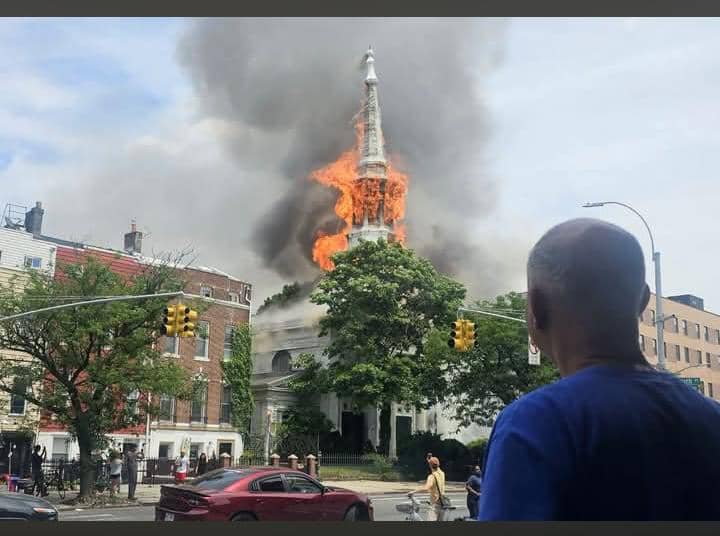
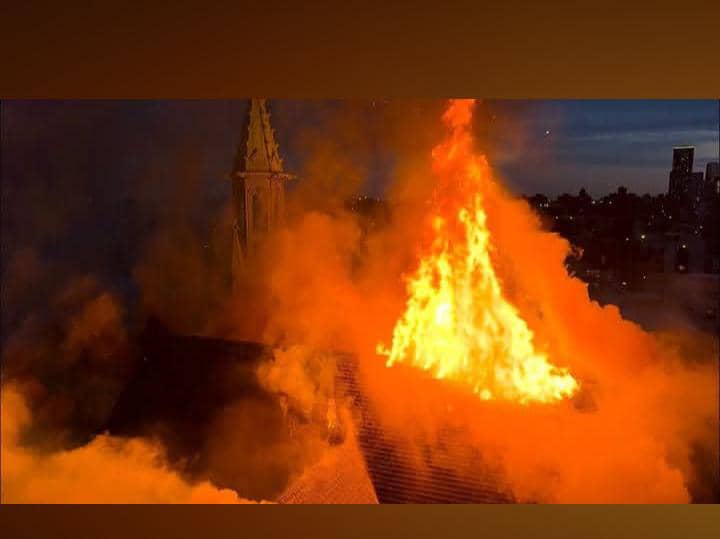
One of the most painful losses came in Brooklyn at South Bushwick Reformed Church. The church, a landmarked structure dating back to the 1850s, was devastated by a major fire in June. The blaze destroyed much of the historic building, including its steeple. Fire officials later determined that the fire was intentionally set and began investigating it as arson.
Pastor James E. Steward II described the emotional impact on the congregation, saying the church represented much more than bricks and wood.
“It was more than just a building. It was lives and generations of lives that have been touched,” Steward said.
That sentiment reflects why the destruction of historic churches often feels different from the loss of an ordinary structure. A building can be replaced. A century of memories cannot.
Earlier in the year, another historic Queens church faced a devastating fire. The former First Reformed Church of Astoria was badly damaged by a five-alarm blaze, raising concerns about its structural stability. The city’s Department of Buildings issued safety measures due to concerns about the property’s condition.
While some online discussions have tried to reduce all the damaged churches to a single story, officials have not announced any evidence that these fires share a common cause or motive.
Two Queens Houses of Worship Targeted in Firebomb Attacks
The situation took another disturbing turn in July when police arrested a man accused of throwing Molotov cocktails at two religious buildings in Queens.
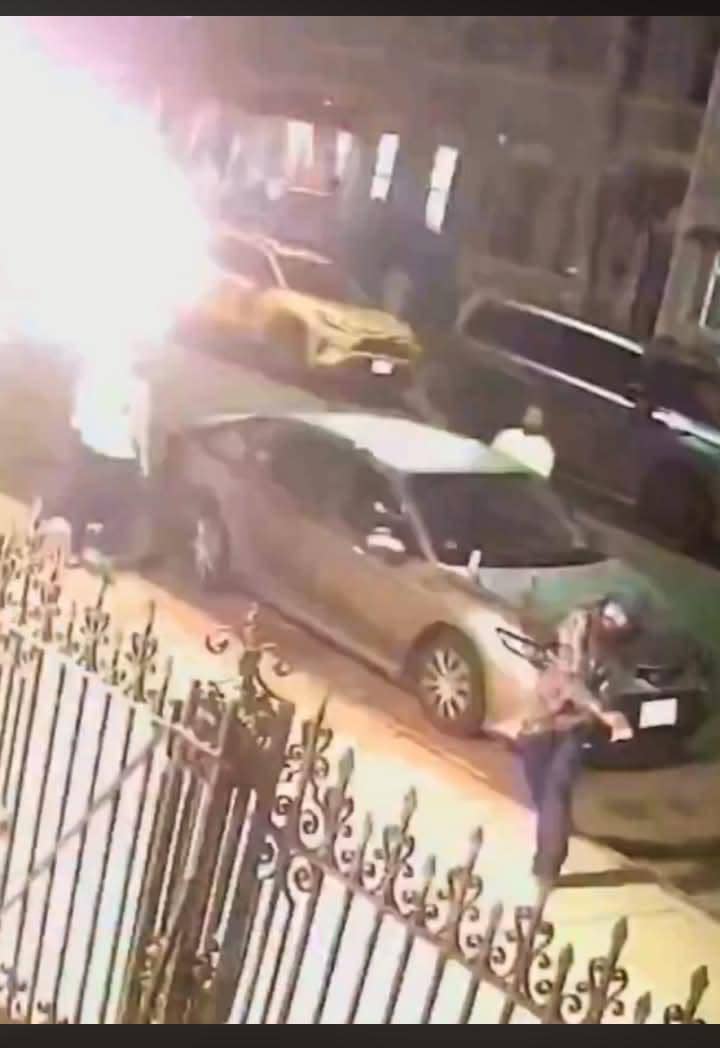
According to police and investigators, the attacks happened overnight at Iglesia Bautista El Mesias and a Kingdom Hall of Jehovah’s Witnesses. Surveillance video reportedly captured a person throwing incendiary devices toward the buildings. Firefighters responded quickly, and no major injuries or significant structural damage were reported in those attacks.
Authorities arrested a 36-year-old suspect, identified in reports as Yogesh Sayrange. Officials said he was accused of targeting the two houses of worship and was also being investigated in connection with additional incidents.
The attacks immediately raised fears among religious communities that places meant for gathering and prayer were becoming vulnerable targets.
But investigators have been cautious about assigning motives. At this stage, authorities have focused on the alleged actions of the suspect rather than declaring a broader campaign against religious institutions.
That distinction matters. In a city as large and diverse as New York, a series of alarming events can quickly fuel speculation. However, law enforcement findings, not rumors, determine whether separate incidents are actually connected.
Why These Incidents Feel So Personal to New Yorkers
New York City has thousands of historic buildings, but churches often occupy a unique place in neighborhood identity. Many were built when communities looked very different, serving immigrant groups and families who shaped the city’s future.
When one disappears, residents often feel like they have lost a piece of their own history.
The concern goes beyond religion. Preservation groups have long warned that aging historic buildings face increasing challenges, including expensive repairs, changing neighborhood needs, and the difficulty of maintaining older structures in a modern city.
The recent church fires have reopened those conversations. Some residents are asking how New York can better protect buildings that represent the city’s past. Others are questioning what happens when historic properties become vacant or struggle financially.
At the same time, law enforcement continues to investigate incidents involving possible criminal activity. The FDNY’s determination that the South Bushwick Reformed Church fire was intentionally set shows that officials are treating some cases as serious crimes rather than simple accidents.
For now, New Yorkers are left with a troubling collection of events: historic churches damaged, a landmark destroyed, and houses of worship targeted in alleged firebomb attacks.
The full story is still developing.
What remains clear is that these buildings represented far more than architecture. They were places where generations of people celebrated, mourned, prayed, and built communities. Losing them means losing pieces of the city’s living memory, and that is why so many New Yorkers are demanding answers.