Rubio Vows to Dismantle the ICC as Trump Administration Escalates Sovereignty Fight
Secretary of State Marco Rubio has opened a new front in Washington’s long-running battle with the International Criminal Court, promising an aggressive campaign against an institution the Trump administration says threatens American sovereignty.
In a Wall Street Journal opinion article published July 13, 2026, Rubio argued that the United States never consented to an international tribunal with authority over American citizens. He said the administration was prepared to dismantle the court “brick by brick, if necessary.” The State Department separately announced a government-wide effort to limit the ICC’s ability to act against Americans.
The language marks a major escalation. It also transforms a complicated legal disagreement into a broader foreign-policy confrontation involving economic sanctions, military alliances, human rights investigations, and the limits of international justice.
Rubio Warns Americans Could Become Targets
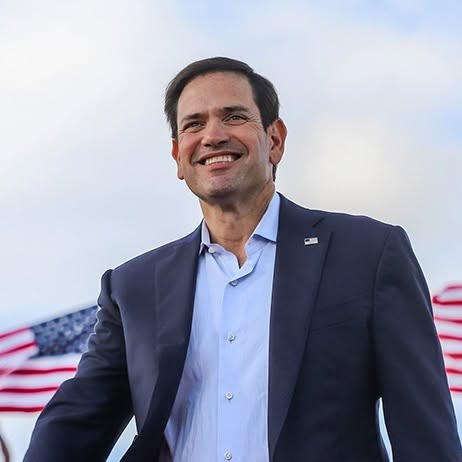
Rubio argues that the ICC could eventually pursue American soldiers, Border Patrol agents, prosecutors, or elected officials, even though the United States is not a member of the court. He cited demands from activists for investigations into American military actions, migrant deportations, and other government policies as evidence that the danger is growing.
Those demands are not formal ICC investigations. The court has taken no recent steps to investigate American personnel. Its most significant inquiry involving the United States was an Afghanistan investigation opened in 2020, which examined possible crimes by Taliban fighters, Afghan forces, and American military and intelligence personnel.
Since 2021, ICC prosecutors have largely shifted their attention away from alleged American conduct and toward crimes attributed to the Taliban and former Afghan security forces. Nevertheless, the Trump administration argues that the possibility of a future prosecution is itself unacceptable.
Rubio has described the court as a political weapon that has expanded beyond its original purpose. Critics counter that his warnings treat hypothetical cases as though prosecutions are already underway.
What the ICC Can Actually Do
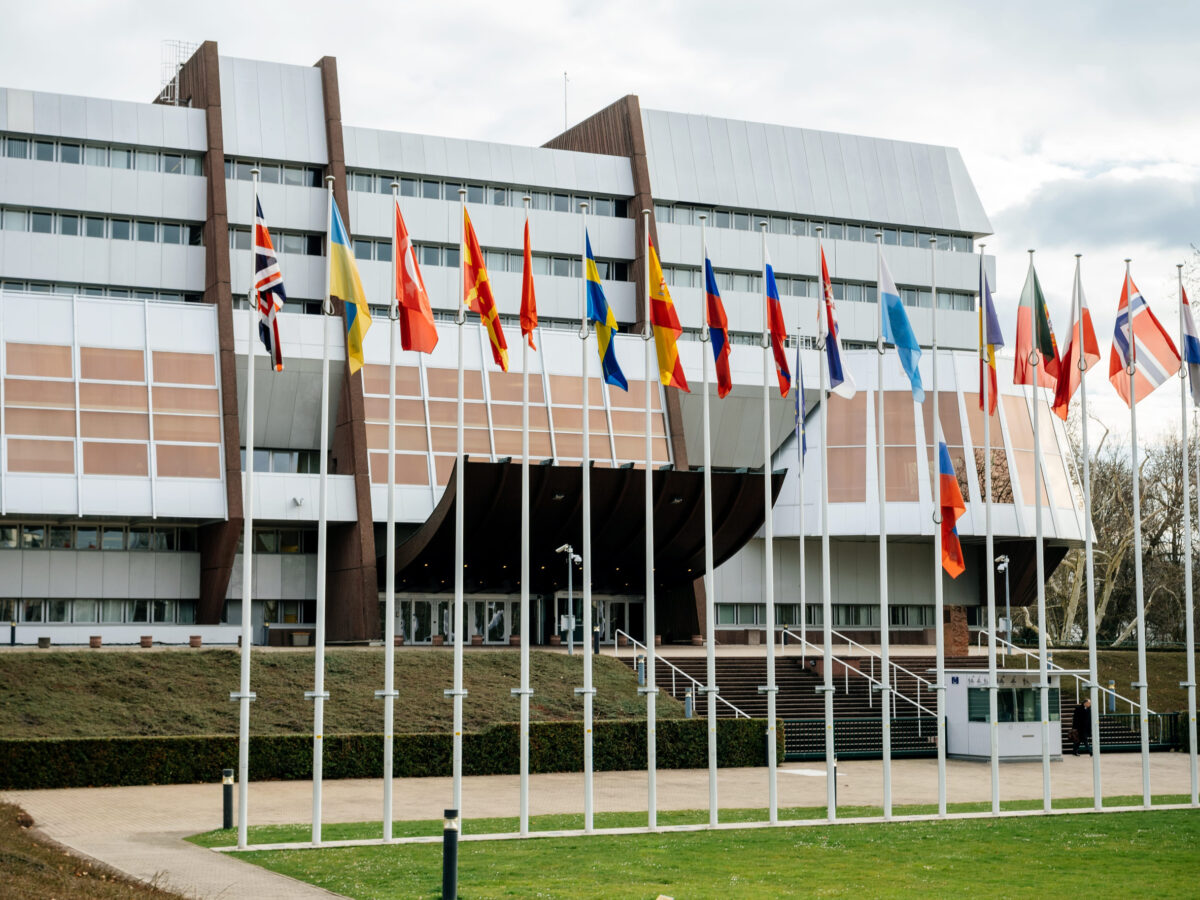
The ICC began operating in 2002 under the Rome Statute. It currently has 125 member countries and prosecutes individuals accused of genocide, crimes against humanity, war crimes, and, under certain conditions, the crime of aggression.
The court is intended to function as a last resort. Under the principle known as complementarity, the ICC generally becomes involved only when national authorities are unable or unwilling to conduct genuine investigations and prosecutions.
The United States and Israel are not members of the ICC. However, the court can claim jurisdiction over alleged crimes committed within a member state, even when the accused is a citizen of a country that has never joined the Rome Statute.
Afghanistan’s membership created the legal basis for the earlier investigation involving American personnel. Washington argues that U.S. citizens should never answer to a court that the United States did not authorize. ICC supporters respond that foreign nationals operating within a member country can still be subject to that country’s legal rules.
The court also has no police force. It relies on cooperating governments to arrest suspects, enforce warrants, and provide evidence, sharply limiting its power when countries refuse to assist.
Sanctions Become Washington’s Main Weapon
President Donald Trump laid the foundation for the current campaign on February 6, 2025, when he signed an executive order authorizing financial and travel sanctions against people involved in ICC actions targeting Americans or citizens of allied countries that reject the court’s jurisdiction.
The order initially designated ICC Prosecutor Karim Khan. It authorized the U.S. government to freeze assets, block financial transactions, and deny entry to certain court officials, employees, agents, and immediate family members.
The administration later expanded sanctions to ICC judges and prosecutors. Officials are now considering additional travel bans, visa cancellations, penalties against organizations linked to the court, and diplomatic pressure on other countries to distance themselves from it.
Countries that host American forces, cooperate with U.S. law enforcement or depend heavily on Washington’s security support could face increased scrutiny if they continue supporting the ICC, administration officials have warned.
The strategy is also intended to protect Israel. Trump officials have condemned arrest warrants issued in 2024 for Israeli Prime Minister Benjamin Netanyahu and former Defense Minister Yoav Gallant. The White House called the warrants baseless and accused the court of unlawfully targeting a close American ally.
Critics Warn of Damage to International Justice
European governments and human rights organizations reject the claim that the ICC threatens American sovereignty. European Union officials maintain that the court prosecutes individuals accused of serious crimes rather than sovereign countries. They have also warned that judges, prosecutors, and people cooperating with the court must be able to work without intimidation.
Critics say Washington’s campaign could damage investigations that have nothing to do with the United States or Israel. Banking restrictions, travel bans, and penalties on cooperating organizations could disrupt the court’s work on alleged atrocities in other parts of the world.
The sanctions campaign is also facing legal challenges inside the United States. On July 15, 2026, two American advocacy groups filed a federal lawsuit arguing that the executive order violates First Amendment protections by preventing them from communicating and working with sanctioned ICC figures. Three ICC judges have filed a separate case challenging sanctions imposed on them.
Rubio’s declaration makes clear that Washington intends to push harder. However, claims that the administration is panicking over imminent war crimes prosecutions go beyond the available public evidence. No publicly announced ICC case currently targets Trump, Rubio, Border Patrol personnel or American troops.
What is clear is that the administration wants to eliminate that possibility before it develops. The result is a high-stakes contest between America’s demand for sovereign control and an international court created to prevent allegations of the world’s gravest crimes from disappearing simply because powerful governments reject outside judgment.