Former Army Soldier Arrested After NYC Federal Building Fire Raises Security Questions at 26 Federal Plaza
A quiet Monday morning in Lower Manhattan changed within minutes when smoke, flames, and emergency vehicles surrounded one of New York City’s most recognizable government buildings. The NYC federal building fire at 26 Federal Plaza quickly became the center of a major federal investigation after authorities said a former U.S. Army soldier allegedly started a fire outside the complex, launched fireworks and fired airsoft pellets toward the building.
The suspect, identified by the FBI as Andrew Arrabaca, 43, was taken into custody after a federal security officer intervened. Authorities said Arrabaca, a former Army mechanic who worked on Patriot missile systems, was carrying multiple items, including airsoft guns, knives, a hammer, a machete and fireworks.
The incident did not result in life-threatening injuries, but the NYC federal building fire raised immediate concerns about security at public government facilities. The building houses several federal offices, including the FBI’s New York office and an immigration court that has become a frequent location for political demonstrations.
As investigators continue examining the evidence, the case has created broader questions about federal building security, political tensions surrounding immigration policy and how law enforcement responds to threats against government institutions.
A Morning of Routine Work Turned Into a Federal Emergency
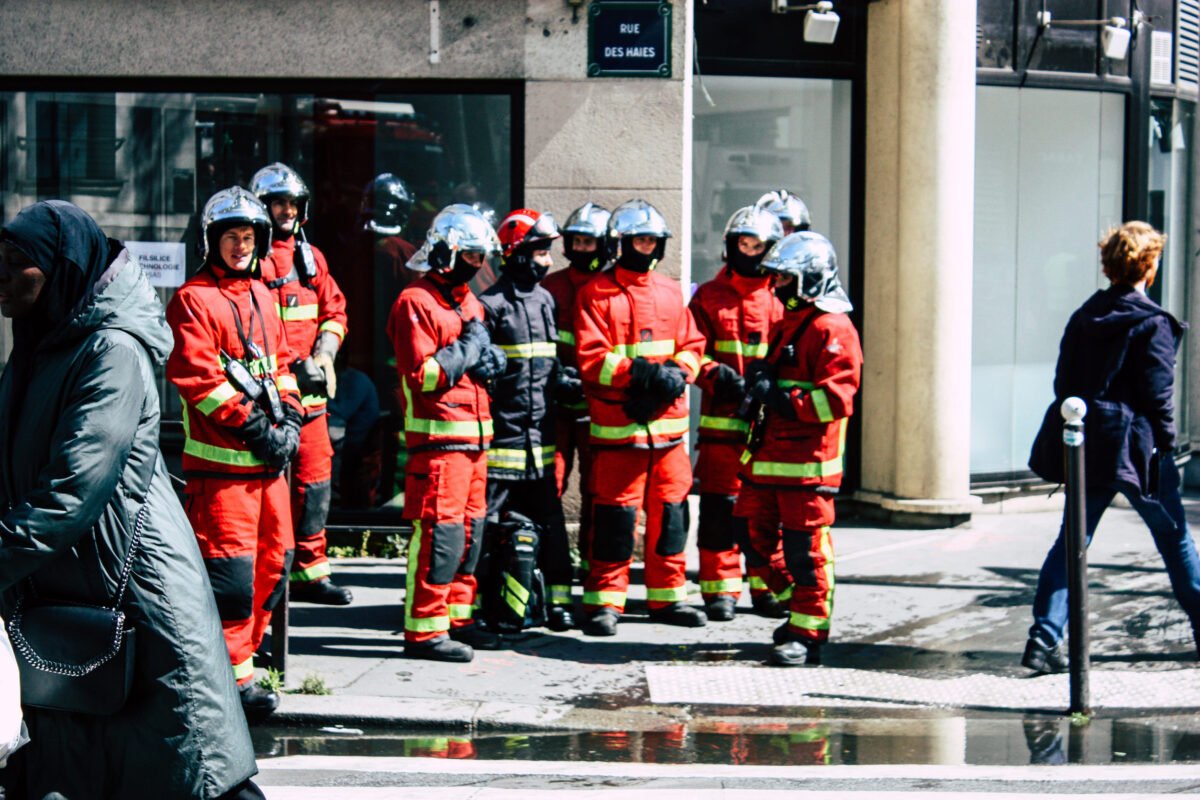
The events unfolded around 8:20 a.m. outside 26 Federal Plaza, when employees, attorneys, visitors, and court participants were beginning their day. According to federal officials, the suspect allegedly arrived outside the building and launched fireworks before a fire broke out near an entrance.
The first moments of the NYC federal building fire created confusion for people nearby. Smoke rose above the sidewalk as emergency responders moved toward the scene, while federal security officers worked to stop the situation from escalating.
Officials said a security officer confronted the suspect and helped take him into custody. Video from the area showed officers restraining a person near the building as flames and smoke remained visible outside the entrance.
The quick response prevented a potentially more serious outcome. However, the incident highlighted the challenge of protecting buildings that serve both as secure government facilities and public spaces.
Federal buildings across the country face a unique security challenge. Unlike military bases or restricted government locations, many federal complexes must allow public access because they contain courts, government services, and agencies that interact directly with citizens.
Why 26 Federal Plaza Became the Focus of National Attention
The location of the NYC federal building fire added significance to the investigation. 26 Federal Plaza is not only a government workplace but also a symbol connected to some of the country’s most debated issues, particularly immigration enforcement.
The building houses the New York Federal Plaza Immigration Court, where immigration hearings take place regularly. Over recent years, the area has become a gathering point for protests related to federal immigration policies and enforcement actions.
Authorities said investigators found anti-Immigration and Customs Enforcement material connected to the suspect. Officials have not released a full explanation of the suspect’s motive, but the political context surrounding the building has become part of the investigation.
Government buildings have historically been symbolic targets during periods of political conflict. From protests outside federal courthouses to security changes following attacks on government facilities, these locations often represent debates over power, policy and public trust.
The NYC federal building fire follows a long pattern in which government buildings become the physical locations where political disagreements appear most visibly. The challenge for officials is protecting these spaces without limiting lawful public expression.
Investigators Examine the Path From Military Service to Arrest
The suspect’s background has become one of the most discussed elements of the case. The FBI identified Arrabaca as a former U.S. Army soldier who worked as a mechanic on Patriot missile systems.
Military service often attracts public attention when a former service member becomes involved in a criminal investigation. However, authorities have not suggested that Arrabaca’s previous military role directly contributed to the incident or involved military materials.
Instead, investigators are focused on the events leading to the NYC federal building fire, including what materials were brought to the scene, whether the suspect acted alone, and whether the incident involved advance planning.
The contrast between his previous role maintaining advanced military equipment and his current position as a criminal suspect has created questions that investigators will need to answer through evidence rather than assumptions.
Authorities are expected to review digital records, surveillance footage, witness statements, and other information as they build their case. These steps are common in investigations involving public buildings and alleged politically motivated acts.
The Evidence Trail Behind the Fire and Arrest

Officials said the suspect was carrying several items when he was detained. FBI Assistant Director in Charge James Barnacle said Arrabaca fired several pellets from an airsoft rifle toward the building.
Authorities also said they recovered additional items, including knives, a hammer, a machete and fireworks. The Department of Homeland Security said two pellet guns were among the materials connected to the investigation.
The recovered items will likely play an important role as investigators determine what happened before and during the NYC federal building fire. Evidence collection in cases involving fire and weapons often includes examining physical objects, surveillance recordings, and witness accounts.
The use of airsoft weapons also created additional security concerns because such devices can resemble firearms during fast-moving emergencies. Federal officers must often make decisions quickly when they cannot immediately determine whether a weapon is real.
Investigators will now examine whether the items were intended for intimidation, property damage, or another purpose. The final explanation will depend on evidence presented through the legal process.
The Security Questions Left Behind After the Smoke Cleared
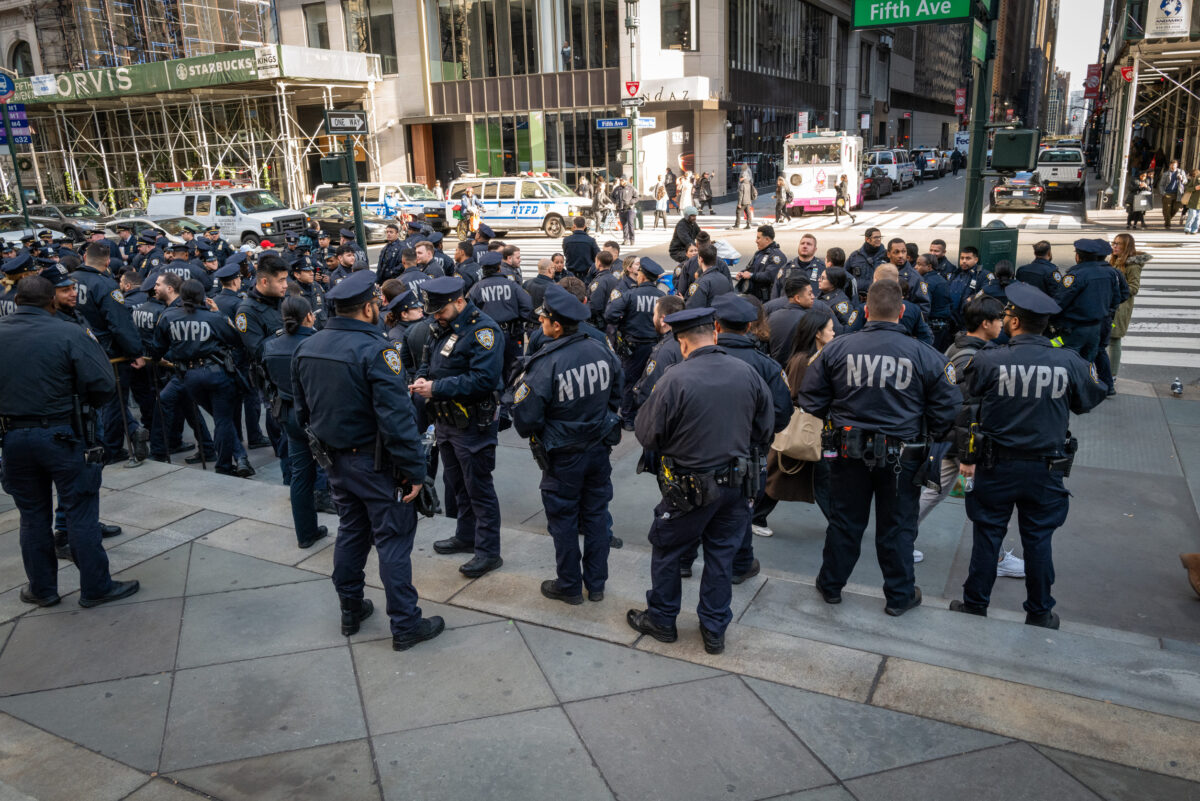
The most important questions after the NYC federal building fire extend beyond the arrest itself. Officials must examine how the suspect reached the area with fireworks, weapons and other materials.
Federal facilities across America have spent decades adjusting security measures in response to changing threats. After major attacks against government locations, agencies have increased screening, surveillance and emergency response planning.
Yet public access remains a central part of government operations. Courts must remain open, citizens must be able to attend hearings, and agencies must provide services without creating barriers for everyday visitors.
That balance makes incidents like the 26 Federal Plaza fire especially difficult. Officials must determine whether additional security measures are needed while maintaining the public nature of government institutions.
A single incident does not reveal whether a broader security failure occurred. However, the investigation may lead to reviews of procedures, emergency response plans, and protection strategies at federal buildings nationwide.
Political Tensions Surrounding Immigration Add Another Layer
The NYC federal building fire occurred at a location already connected to intense national debates over immigration. The presence of an immigration court has made 26 Federal Plaza a frequent site for demonstrations and public criticism.
Officials said the suspect had anti-ICE material, and federal authorities described him using strong language related to ideology. Those statements represent law enforcement assessments during an active investigation and do not replace findings that must be established in court.
The distinction between political protest and criminal conduct remains central in cases involving government buildings. The United States has a long history of public demonstrations, but laws also prohibit violence, threats, and dangerous actions.
The incident demonstrates how political divisions can create challenges for public institutions. Government facilities often become places where national disagreements appear in highly visible ways.
Understanding that difference is important as investigators continue determining what motivated the suspect and whether the incident was connected to a broader plan.
The Investigation Moves Forward With Major Questions Remaining
Although the suspect was quickly arrested, the investigation into the NYC federal building fire is still developing. Authorities have not announced final charges, and many details about the case remain under review.
The FBI’s New York Joint Terrorism Task Force is leading the investigation. The involvement of the task force does not automatically mean terrorism charges will follow, but it indicates that officials are examining possible ideological, security and public safety concerns.
Investigators will likely focus on several key questions. Did the suspect act alone? Was the location selected because of its connection to immigration policy? Were there warning signs before the incident occurred?
Those answers will depend on evidence gathered in the coming days and weeks. Public attention often moves quickly after dramatic events, but criminal investigations require careful examination before conclusions are reached.
The case also highlights how quickly a normal government morning can change when security concerns emerge. A building designed to serve the public became the center of a federal response involving fire, law enforcement and questions about national security.
A Federal Building, A Public Space and an Unanswered Debate
The NYC federal building fire at 26 Federal Plaza ended with a suspect in custody and no reported loss of life. That outcome reflects the importance of rapid response from security officers, firefighters and investigators.
But the questions surrounding the incident will continue. How can government buildings remain open while facing new security challenges? How should officials respond when political anger appears alongside dangerous actions?
The answers will shape future discussions about federal security, public access and the role of government institutions in a deeply divided society. The flames outside 26 Federal Plaza were contained quickly, but the larger conversation about protecting public spaces while preserving democratic openness has only begun.