Ohio Gas Explosion Exposes the Hidden Risk Beneath America’s Quiet Streets
The street looked ordinary until it became a warning. The Ohio gas explosion that tore through Twinsburg Township did not begin with a storm, a wildfire, or an obvious threat moving across the horizon. It began below ground, in the hidden space beneath lawns, driveways, and pavement, where most homeowners place their trust without ever seeing what is there.
That is what makes the Ohio gas explosion so unsettling. It destroyed three homes, damaged dozens more, injured two people, and displaced families who began that day in a neighborhood that probably felt safe. In seconds, a quiet residential street became a scene of broken walls, shattered windows, scattered belongings, and unanswered questions.
The immediate story is local, but the larger warning is national. Across the country, communities are digging, boring, upgrading, and connecting neighborhoods to faster internet and improved utility systems. The Ohio gas explosion forces a harder question into view: what happens when the rush to modernize what lies underground collides with the fragile infrastructure already buried there?
For many Americans, the danger beneath a neighborhood feels abstract. Gas lines are invisible until a crew marks a lawn with colored flags or a resident smells something strange in the air. The Twinsburg Township blast changed that abstraction into a blunt image of risk, one powerful enough to make other cities pause and reconsider the work happening under their own streets.
The Quiet Street That Suddenly Looked Unsafe
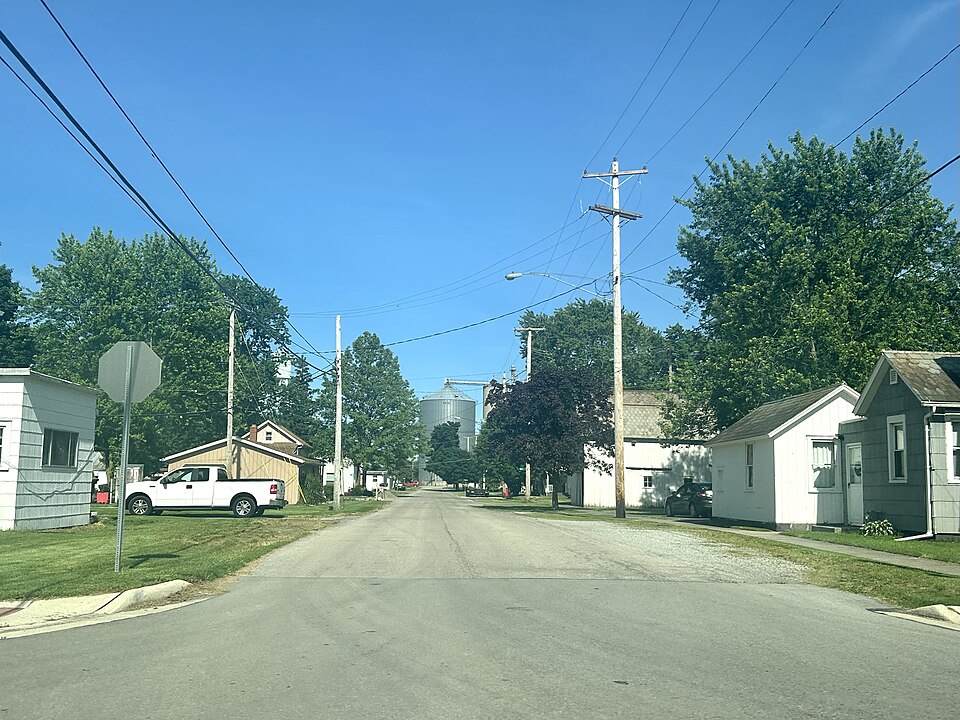
Residential neighborhoods are built on routine. A car backs out of a driveway, a child crosses a yard, a package lands on a porch, and a neighbor waves from across the street. These small patterns create the feeling that home is separate from danger.
The Ohio gas explosion shattered that assumption. The homes on Hiram Lane did not sit near an industrial site or a major hazard zone that most people would recognize. They stood in the kind of ordinary community where the most visible signs of disruption might have been utility flags, construction vehicles, and temporary work crews.
That ordinariness is the heart of the story. When disaster strikes a place that looks familiar, it becomes easier for readers far beyond Ohio to imagine the same risk near them. A gas explosion in a residential area does not feel distant because almost every community depends on the same buried systems.
Local officials said the blast followed a natural gas leak connected to underground work in the area. Residents nearby had been warned about the smell of gas and told to avoid actions that could ignite it. Such warnings often sound procedural, but they reveal the seriousness of the moment before catastrophe arrives.
Natural gas can become dangerous when it escapes and collects in the wrong space. It does not need drama to become deadly. It needs fuel, air, and an ignition source, and residential areas contain many possible ignition points.
That is why the Ohio gas explosion should not be treated as a strange one-off event. It shows how quickly a routine neighborhood concern can become a crisis when buried infrastructure fails. It also shows how thin the line can be between a warning call and a blast heard across a community.
The Infrastructure Beneath the Lawn
Most homeowners know their property from the surface up. They know the roof, the driveway, the fence, the garage, and the rooms where their daily life happens. They rarely know the full map beneath the soil.
Beneath a modern neighborhood, there may be gas lines, water lines, sewer lines, electrical routes, cable, fiber-optic systems, drainage pipes, and older infrastructure added over decades. Some systems may be well documented. Others may be less clear because streets change, utility records age, and neighborhoods evolve.
The Ohio gas explosion pulled that buried complexity into public view. It reminded residents that a quiet street is not empty below the pavement. It is a layered system of services that must work safely for daily life to feel normal.
The national 811 call-before-you-dig system exists because underground utility strikes are a known risk. Homeowners, contractors, and utility crews are expected to request markings before digging. The system reduces danger, but it cannot erase every hazard.
Utility markings depend on records, accuracy, communication, and careful work near identified lines. If any part of that process fails, risk increases. A wrong mark, a missed line, or a rushed job can turn hidden infrastructure into a public emergency.
That is why the Ohio gas explosion raises questions beyond one damaged street. The issue is not only whether a line was struck. The issue is how communities verify, monitor, and enforce safety when underground work occurs near homes.
The High Cost of Faster Connections
The modern American neighborhood wants speed. Faster internet, better service, stronger networks, and upgraded utilities have become part of the promise of local progress. Cities want to attract residents and businesses, and residents expect infrastructure that keeps up with work, school, streaming, telehealth, and digital life.
Fiber-optic expansion often fits that promise. It sounds clean and forward-looking. It suggests stronger connections and a more competitive community.
Yet the Ohio gas explosion reveals the darker side of that progress. Underground upgrades may look like a simple step toward the future, but they occur in the same ground that already carries older, potentially dangerous systems. A community can want modern service and still fear the method used to install it.
Directional drilling can reduce surface disruption compared with open trenching. It can move cables or lines under roads, sidewalks, and lawns with less visible damage. Still, it requires careful coordination because the danger is hidden during the most important part of the work.
When drilling happens near gas infrastructure, precision matters. Workers must trust maps, markings, tools, procedures, and training. Residents nearby must trust that every step has been checked before machinery is allowed to enter the ground.
That trust becomes fragile after an event like the Ohio gas explosion. Nearby communities paused directional drilling after the blast, which shows how quickly one incident can unsettle regional confidence. The pause also suggests that local leaders understood the public needed more than reassurance.
When Homeowners Carry the Consequences

One of the most troubling parts of the Ohio gas explosion is the imbalance of control. Homeowners do not usually choose the drilling crew, approve the utility route, inspect gas line markings, or supervise subcontractors. Yet they may suffer the most when something goes wrong.
A destroyed home is not just a damaged structure. It is the loss of clothes, documents, furniture, photographs, medication, family routines, and a familiar sense of shelter. Insurance may eventually answer some financial questions, but it cannot instantly restore the feeling of safety.
For displaced families, the aftermath can become a second disaster. They may need temporary housing, emergency funds, transportation, replacement identification, school arrangements, pet care, and legal or insurance guidance. Recovery can take weeks, months, or longer.
The Ohio gas explosion also affects residents whose homes still stand. Broken windows, cracked walls, damaged roofs, and smoke or debris can create serious repair needs. Even minor-looking damage can become complicated when structural safety, inspections, and insurance claims are involved.
Then comes the emotional toll. A neighborhood that once felt stable may feel uncertain every time a truck arrives or utility flags appear on a lawn. The smell of gas may no longer feel like a minor concern. It may feel like a memory returning.
This is why “no fatalities” should not make the Ohio gas explosion feel less serious. The absence of death is a relief, not a dismissal of harm. A community can survive and still be deeply shaken.
A Chain of Small Failures Can Become One Loud Disaster
Major disasters often invite a simple question: Who caused it? That question matters, but it can also be too narrow. An explosion usually follows a sequence, not a single isolated moment.
The Ohio gas explosion appears to involve underground work, a gas leak, emergency warnings, and ignition. Investigators must determine how each stage unfolded. They will likely examine markings, utility records, contractor actions, response timing, and the source that ignited the gas.
The most important lesson may come from the chain itself. A gas line strike does not automatically become a neighborhood explosion. Several conditions must connect before the worst outcome occurs.
That is what makes prevention so important. Each link offers a chance to stop the next one from forming. Accurate mapping, careful excavation, rapid reporting, clear evacuation decisions, and fast utility shutoff can all reduce danger.
When those safeguards work, the public may never hear about the incident. A leak gets contained, a line gets repaired, and a crew leaves without a headline. When they fail, the result can look like Hiram Lane.
The Ohio gas explosion should therefore be studied not only as an emergency, but as a system test. It asks whether cities, utilities, contractors, and subcontractors have sufficient checks to prevent irreversible damage during routine work. It also asks whether residents receive timely information when underground work near them carries real risk.
Why This Blast Feels Like a Broader American Warning

The Ohio gas explosion resonates because it connects to a larger national anxiety. Americans live with aging infrastructure while also demanding rapid modernization. Roads need repair, broadband needs expansion, utilities need upgrades, and older systems must keep working while new ones are installed around them.
That tension creates a difficult civic challenge. Communities cannot freeze in place because old infrastructure also carries risks. At the same time, rushing upgrades without sufficient oversight can create additional risks.
Historical experience shows that gas explosions have long been among the most frightening infrastructure failures in residential areas. They are sudden, violent, and difficult for ordinary people to anticipate. They also remind the public that invisible systems can fail in very visible ways.
The cultural meaning of home intensifies that fear. A house is not merely a financial asset. It is where families store memories, build routines, and assume that the outside world has been kept at a safe distance.
When a gas explosion destroys homes, it violates that assumption. The danger does not enter through a broken lock or a storm front. It comes from beneath the place people trust most.
That is why the Ohio gas explosion feels larger than one accident. It forces homeowners to think about systems they cannot personally inspect and risks they cannot personally manage. It also forces public officials to consider whether residents deserve clearer communication before high-risk underground work begins nearby.
The Question Cities Cannot Avoid Now.
The pause on drilling in nearby communities may prove temporary, but its meaning should not be overlooked. It shows that local governments understood the explosion created a confidence problem. Once people see homes destroyed, normal assurances no longer carry the same weight.
Cities now face a question that reaches beyond Ohio. How can they welcome needed infrastructure upgrades while proving that safety comes first? The answer cannot rely on slogans or vague promises.
Residents may want to know who is doing the work, what methods are being used, how lines are marked, who verifies the markings, and what happens when a gas line strike occurs. They may also want faster alerts when a leak is detected near their homes. Information does not eliminate fear, but silence often deepens it.
Contractors and utilities also face scrutiny. Subcontracting can make large projects more efficient, but it can also make accountability feel distant. When several companies participate in a single project, residents need to know who is responsible for safety decisions on the ground.
The Ohio gas explosion will likely intensify those questions wherever similar drilling is planned. Local officials may review permits, safety rules, emergency procedures, and communication policies. Some residents may push for stricter oversight before crews return to their streets.
This is the broader implication of the blast. Infrastructure work is not only an engineering issue. It is a public trust issue, and trust becomes harder to rebuild once homes have been reduced to rubble.
What Remains After the Smoke Clears
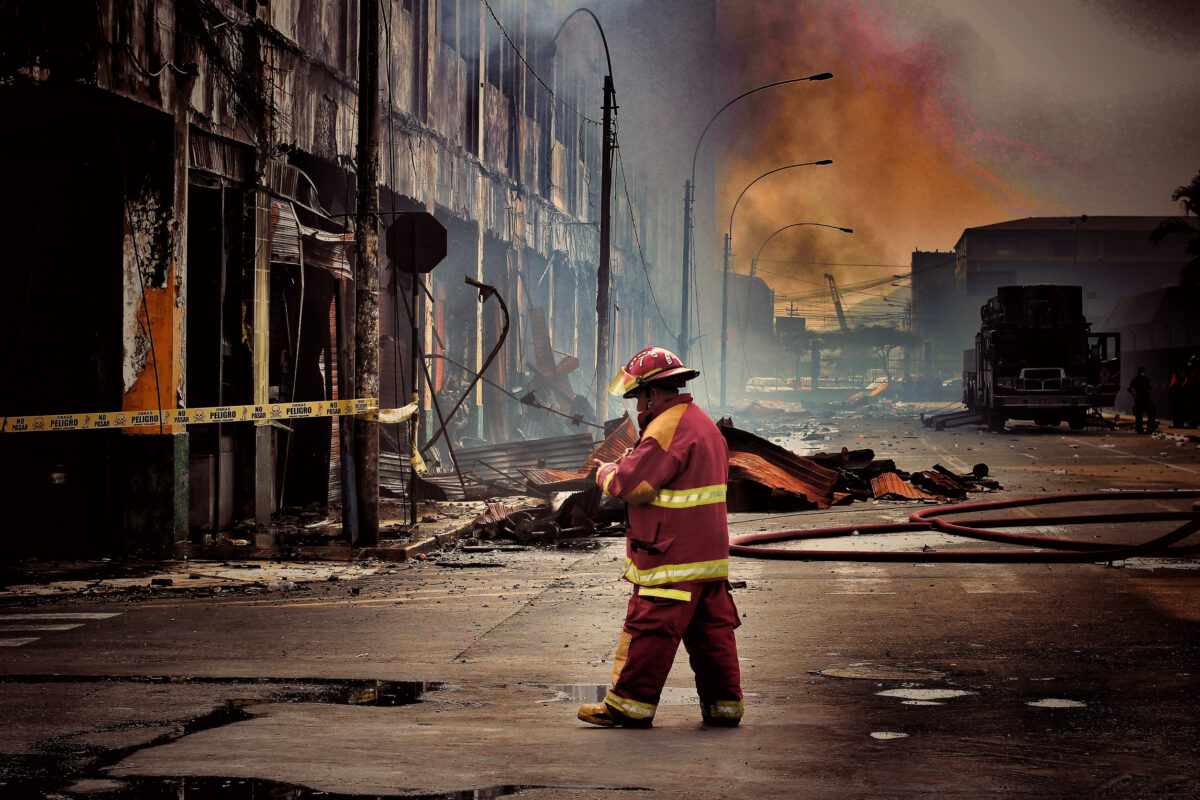
After the emergency vehicles leave, the neighborhood must live with the damage. Crews can clear debris, inspectors can assess structures, and investigators can search for answers. Yet the emotional geography of the street may remain changed.
For families directly affected, recovery will likely involve practical and painful decisions. Some may rebuild. Others may relocate. Many will spend a long time sorting through insurance, repairs, and documents, and dealing with the stress of interrupted lives.
For everyone watching, the Ohio gas explosion offers a lesson that is both simple and uncomfortable. The systems that support modern comfort are powerful, hidden, and dependent on constant care. They can make life easier, but they can also produce consequences when safety fails.
That is why this story should not fade as another dramatic clip in the news cycle. It deserves attention because it reveals the fragile bargain beneath American neighborhoods. We trust buried lines, marked lawns, work crews, city permits, and emergency systems to protect the ordinary rhythm of home.
The Ohio gas explosion broke that rhythm in one community. It should make other communities look more carefully at the ground beneath their own. A quiet street can feel safe for years, but safety is not the same as silence, and what lies underground should never be ignored simply because it cannot be seen.