The Billion-Dollar Battle Over Venezuela’s Oil Money: Why Trump’s Control of Revenue Is Triggering Global Questions
Venezuela’s oil wealth has become the center of a major international dispute after billions of dollars generated from the country’s crude exports came under U.S. supervision. The controversy is no longer just about oil sales or financial transactions; it has become a battle over transparency, legal authority, national sovereignty, and who has the right to control one of the world’s most valuable natural resources during a period of political uncertainty.
The debate has attracted attention because Venezuela possesses some of the largest oil reserves on Earth while millions of its citizens continue to struggle with the consequences of years of economic crisis. As lawmakers demand answers and officials defend the arrangement, the question surrounding Venezuela’s oil revenue has grown into a much larger issue about power, accountability and whether a country’s wealth is truly reaching the people who need it most.
The Billion-Dollar Question: Who Controls Venezuela’s Oil Wealth?
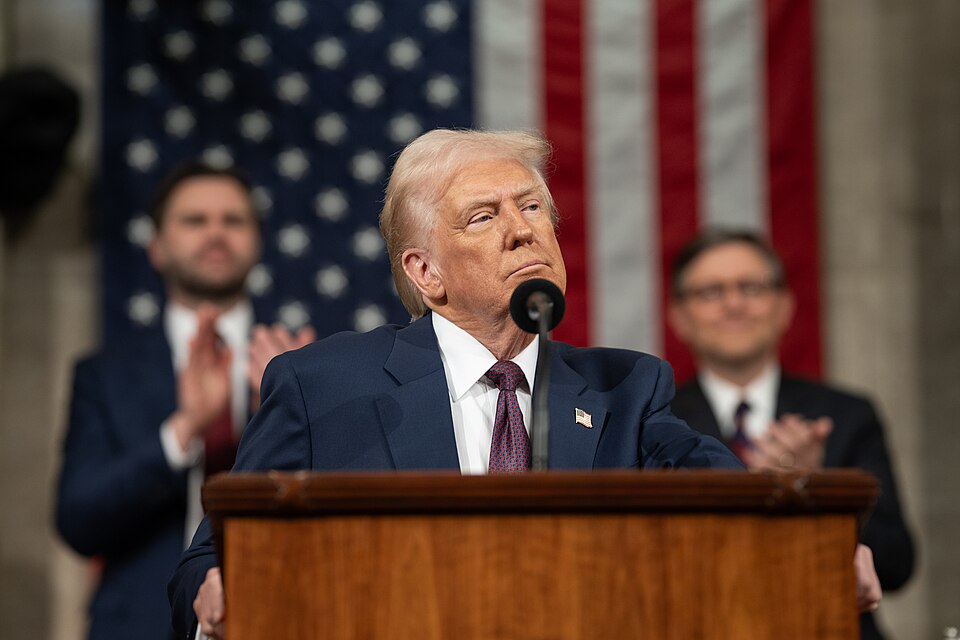
Venezuela’s oil industry has always represented far more than a source of energy. For decades, petroleum exports have been the foundation of the country’s economy, funding government operations and shaping its political influence throughout Latin America. That is why the reported movement of billions of dollars in Venezuelan oil revenue under U.S. supervision has created such intense debate among officials, lawmakers and international observers.
Reports indicate that approximately $13 billion in Venezuelan oil revenue moved through arrangements overseen by the Trump administration. At the same time, only a smaller portion of that money has been publicly traced as reaching Caracas. The gap has fueled questions about where the remaining funds are being held, who controls them, and how decisions are being made about their use. For critics, the missing details represent a serious transparency problem, while supporters argue the system protects Venezuela’s resources from being lost during political instability.
How the World’s Largest Oil Reserves Became an Economic Crisis
Venezuela’s situation remains one of the world’s most dramatic economic contradictions. The country holds enormous oil reserves, yet years of economic decline left millions of Venezuelans facing shortages, inflation and a weakened public infrastructure. The gap between Venezuela’s natural wealth and the daily struggles of its citizens has become one of the defining stories of modern economic collapse.
The decline of the oil industry has been linked to multiple factors, including years of political instability, falling production, corruption allegations, poor management and international sanctions. Venezuela’s state-owned oil company, PDVSA, was once considered a powerful engine of the economy. Still, production problems and deteriorating infrastructure weakened its ability to generate the same level of revenue. As a result, the country’s most valuable resource became both its greatest asset and one of its biggest challenges.
Why Venezuela’s Oil Revenue Was Placed Under U.S. Supervision
The unusual financial arrangement involving Venezuela’s oil proceeds was created because of the complicated political relationship between Washington and Caracas. U.S. officials argued that controlling the revenue was necessary because Washington does not recognize Nicolás Maduro’s government as legitimate and wanted to prevent the funds from being seized by creditors or diverted through political channels.
The structure allowed oil proceeds to be managed through supervised accounts rather than traditional government-controlled systems. Supporters of the arrangement say this approach protects Venezuelan assets and preserves the possibility that the money can eventually support the country’s recovery. Critics, however, argue that controlling another nation’s oil income without extensive public oversight creates serious questions about accountability and international law.
The Qatar Account That Became the Center of the Transparency Debate
One of the most controversial elements of the arrangement was the decision to route early oil revenue through an account in Qatar under American supervision. The move attracted attention because it created an unusual financial pathway for money generated from Venezuelan crude exports. The arrangement was described by officials as a temporary mechanism designed to protect the funds during a sensitive political period.
The use of an offshore account quickly became a symbol of the broader transparency debate. Critics questioned why billions of dollars tied to Venezuela’s natural resources were not moving through a more traditional and publicly visible system. Supporters argued that the structure was necessary because Venezuela’s financial situation involved complicated creditor claims, sanctions and political disputes that could have placed the funds at risk.
Congress Demands Answers About Billions in Venezuelan Oil Money
The lack of detailed public accounting has increased pressure from lawmakers who want a full review of the oil revenue system. Members of Congress have called for an independent audit that would examine how much oil was sold, how much revenue was collected, where the money was stored, and how funds were distributed.
Supporters of an audit argue that transparency should be a requirement whenever governments manage billions of dollars connected to another country’s resources. They say oversight does not necessarily mean opposing the policy itself but ensuring that financial decisions involving enormous sums are properly documented. The debate has become a test of whether foreign policy decisions can operate with limited public visibility.
The Legal Battle Over Venezuela’s Oil Money and Massive Debt
Another major issue surrounding Venezuela’s oil revenue involves the country’s enormous financial obligations. Venezuela owes billions of dollars to creditors, including bondholders, companies and governments that have spent years attempting to recover money after defaults and economic collapse. Those creditors have viewed Venezuelan assets as potential sources for repayment.
The U.S. government has argued that protecting oil revenue from immediate creditor claims is necessary to preserve Venezuela’s ability to rebuild. Critics counter that the arrangement raises questions about whether the executive branch has too much authority over another nation’s assets. The legal debate has become a complicated conflict between creditor rights, foreign policy goals and Venezuela’s claim over its own resources.
Venezuela’s Humanitarian Crisis Makes the Oil Debate More Urgent
The controversy over oil revenue is happening as Venezuela continues to deal with the consequences of years of economic hardship. Millions of people have experienced difficulties accessing reliable healthcare, infrastructure, employment opportunities and basic services. For many observers, the debate is not only about accounting records but about whether Venezuela’s wealth can help ordinary citizens recover.
Humanitarian concerns have increased pressure for transparency because oil revenue represents a potential source of rebuilding funds. Critics argue that a country facing major challenges should have clear answers about where billions in natural resource income are going. Supporters of the current system say protecting the money from misuse is necessary before it can be effectively used for Venezuela’s future.
The Future of Venezuela’s Oil Industry Depends on Trust
Venezuela’s oil sector has the potential to become one of the largest economic recovery projects in the world, but rebuilding the industry will require massive investment. Officials have suggested that tens of billions of dollars could be needed to restore production, repair infrastructure and attract international energy companies back into the market.
Investors looking at Venezuela’s future will likely focus on transparency, legal stability and political certainty. A country may have enormous oil reserves, but companies are unlikely to commit major resources without confidence that financial systems and ownership rules are reliable. The current oil revenue dispute could therefore influence whether Venezuela attracts the investment needed to rebuild its energy sector.
Venezuela’s Oil Money Has Become a Global Test of Power and Accountability
The fight over Venezuela’s oil revenue represents a much larger global question about who controls national resources during political crises. Governments often use financial restrictions, sanctions and asset controls as foreign policy tools, but those decisions can create difficult questions about sovereignty, fairness and accountability.
The outcome of Venezuela’s oil money dispute could influence future international conflicts involving natural resources and government control. For Venezuela, the stakes are especially high because oil remains one of the country’s greatest sources of potential recovery. As demands for transparency continue, the world will be watching whether billions in oil wealth become a tool for rebuilding or another chapter in a long history of political struggle.