The Old Meatloaf Was Never the Problem: 6 Ways to Make It Better and Tastier
Meatloaf has spent decades being blamed for being dry, bland, and painfully old-fashioned. Yet the dish itself was never really the problem. Meatloaf has survived because it is comforting, adaptable, and surprisingly good at turning humble ingredients into a meal people actually want to eat.
Its history is more interesting, too. The American version grew out of older traditions of combining chopped meat with other ingredients, eventually becoming a practical favorite during the Depression and wartime years when families needed meals that could stretch what they had. Meatloaf’s American history shows just how far the dish has traveled from its early roots.
Stop Treating It Like a Relic
The easiest way to make meatloaf exciting again is to stop believing it has to taste exactly like the one you remember.
Meatloaf has changed repeatedly throughout American food history. Kansas State University notes that more creative versions appeared during the 1950s and 1960s, including loaves featuring bacon, dill, and even spicy peaches. By the 1970s and 1980s, butcher shops were selling combinations of beef, pork, and veal specifically for meatloaf, according to Kansas State’s history of the dish.
So there was never really one “correct” meatloaf. The dish has always invited adaptation.
Give It a Personality
tomasmaslin/ 123RF
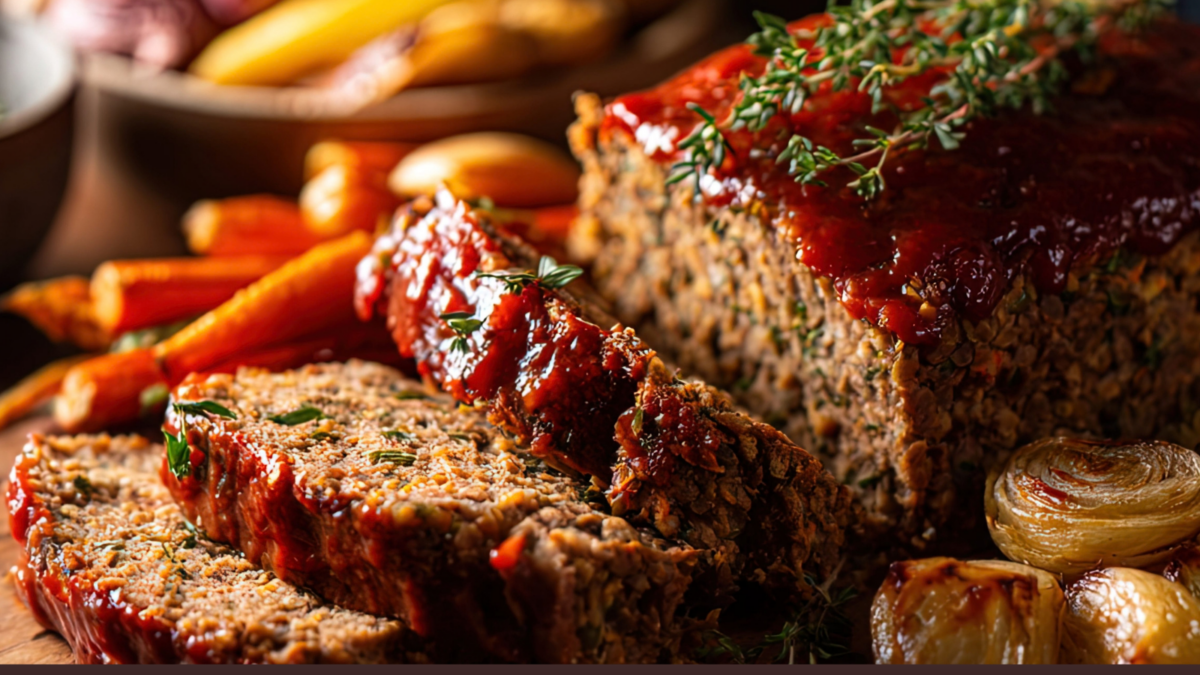
A memorable meatloaf should taste like more than ground meat covered in ketchup.
Smoky barbecue, roasted garlic, caramelized onions, mushrooms, mustard, herbs, or a little heat can completely change the dish’s character. The point is not to pile everything into one loaf, but to decide what flavor you actually want to stand out.
That flexibility is already part of meatloaf’s history. As scarcity gave way to greater abundance, cooks began experimenting with cheeses, vegetables, different meats, and sauces. Food Republic’s look at meatloaf’s rise in America shows how dramatically the humble dish has evolved.
Texture Matters More Than People Think
A great meatloaf should feel tender and substantial, not dense, dry, or crumbly.
That balance has always mattered. The ingredients traditionally mixed into meatloaf were not simply there to make the loaf bigger; bread, crumbs, and other additions helped stretch the meat while giving the finished dish structure.
Modern cooks have plenty of ways to play with that texture. Some versions are deliberately soft and juicy, while others are firm enough to produce those satisfying, clean slices that hold together on a plate.
Related: I Stopped Using Crackers in My Meatloaf and Started Adding This Instead
Stop Underestimating the Topping
That familiar layer on top may be the most important opportunity to give an old meatloaf some attitude.
Ketchup became closely associated with the American version, but today’s cooks have plenty of room to move beyond it. A tangy tomato glaze, smoky barbecue sauce, mustard mixture, or something with a little chili can add contrast to the richness underneath.
Even professional test kitchens have pushed the classic combination further. Bon Appétit, for example, found that balancing ketchup with brown sugar and cider vinegar created a deeper, almost barbecue-like flavor rather than leaving the topping simply sweet.
Take Leftovers Seriously
One of meatloaf’s secret advantages is that tomorrow’s leftovers can sometimes be more exciting than tonight’s dinner.
A cold slice between toasted bread with mustard and crisp lettuce becomes a completely different experience. You can reheat another slice and serve it alongside eggs, tuck it into a bun, or turn it into a hearty sandwich with melted cheese.
That practicality goes right back to the dish’s roots. Meatloaf became popular partly because it helped households stretch expensive protein and use ingredients already on hand. It was never precious food, and that may be one reason it has lasted so long.
Let the Classic Evolve
The best modern meatloaf does not need to reject nostalgia—it just needs to make nostalgia taste better.
You can keep the familiar shape, the comforting sides, and even the ketchup-inspired topping while changing the flavors around them. Today’s food culture already treats meatloaf as a canvas, with versions ranging from stuffed and bacon-wrapped loaves to internationally inspired combinations.
That willingness to change is what has kept the dish alive for generations. And just as simple habits can make everyday routines feel less predictable, a small change to a familiar dinner can make an old favorite feel new again.
Meatloaf does not need to become fancy. It simply needs to stop being treated like it has nowhere left to go. Give it better flavor, a little personality, and some room to evolve, and that supposedly boring dinner suddenly has plenty to say.
If you could give classic meatloaf one modern twist, would you choose smoky barbecue, spicy heat, extra vegetables, a different meat, or something completely unexpected?