These 10 Superfoods Are Actually Super Dangerous for Your Health
When it comes to health and wellness, the word “superfood” has become a buzzword, often used to describe foods that promise to deliver miraculous health benefits.
From boosting your immune system to improving heart health, these superfoods are supposed to be the answer to almost every health concern. But not all superfoods are as beneficial as they seem. In fact, some of these trendy superfoods might be doing more harm than good. Below, we’ll take a closer look at 10 so-called “superfoods” that are actually super dangerous for your health.
Acai Berries
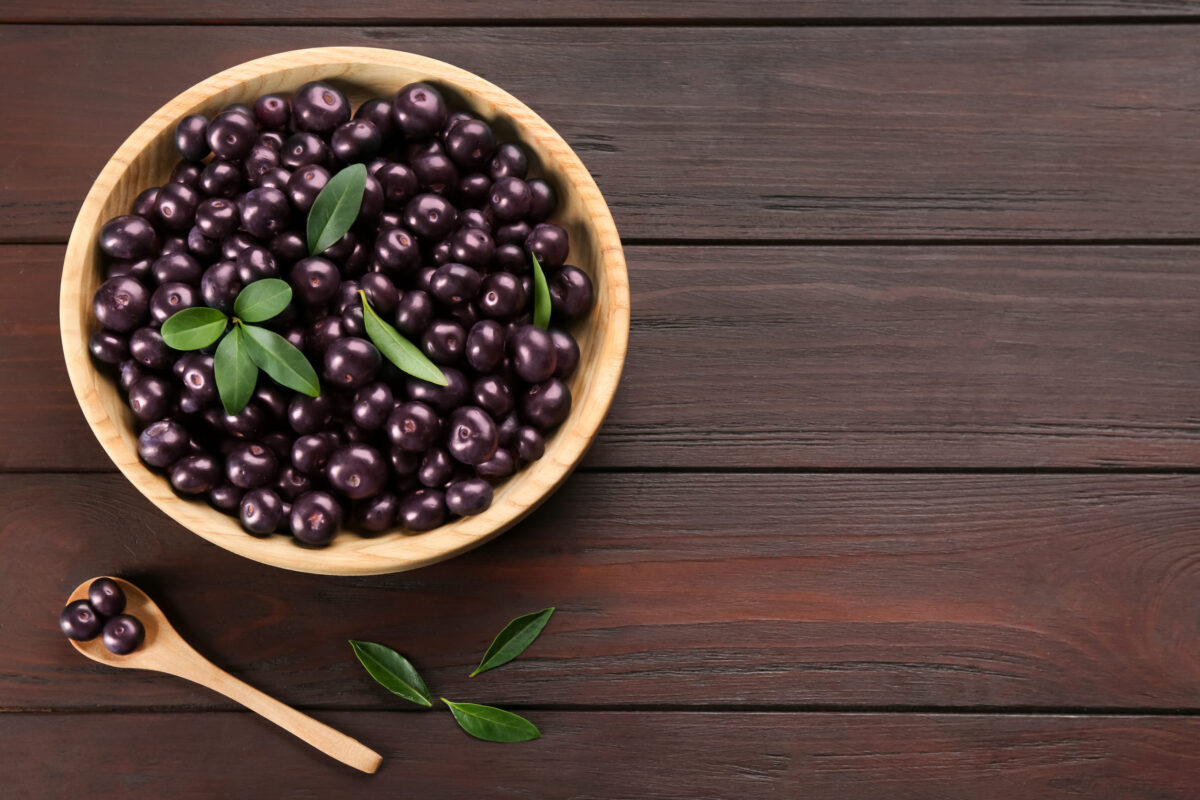
Acai berries have gained massive popularity due to their high antioxidant content, but these little purple fruits may not be as healthy as they are marketed to be. When consumed in their purest form, acai berries are relatively low in sugar and packed with nutrients.
However, many acai bowls and smoothies are loaded with added sugar, artificial sweeteners, and sweetened toppings like granola, which turns what should be a nutritious snack into a sugar bomb. Overconsumption of sugar leads to a spike in insulin levels, which can increase your risk of developing type 2 diabetes, heart disease, and weight gain. Acai in the form of sugary bowls and drinks is a health hazard in disguise.
Kale
Kale has long been celebrated as one of the healthiest leafy greens, packed with vitamins, fiber, and antioxidants. But did you know that kale, like other cruciferous vegetables, contains high amounts of oxalates? These compounds can contribute to kidney stone formation when consumed in excessive amounts.
For those prone to kidney stones, eating too much kale could be setting the stage for a painful health issue. While kale in moderation is generally safe, excessive consumption can be problematic, especially for individuals who already have kidney issues.
Goji Berries
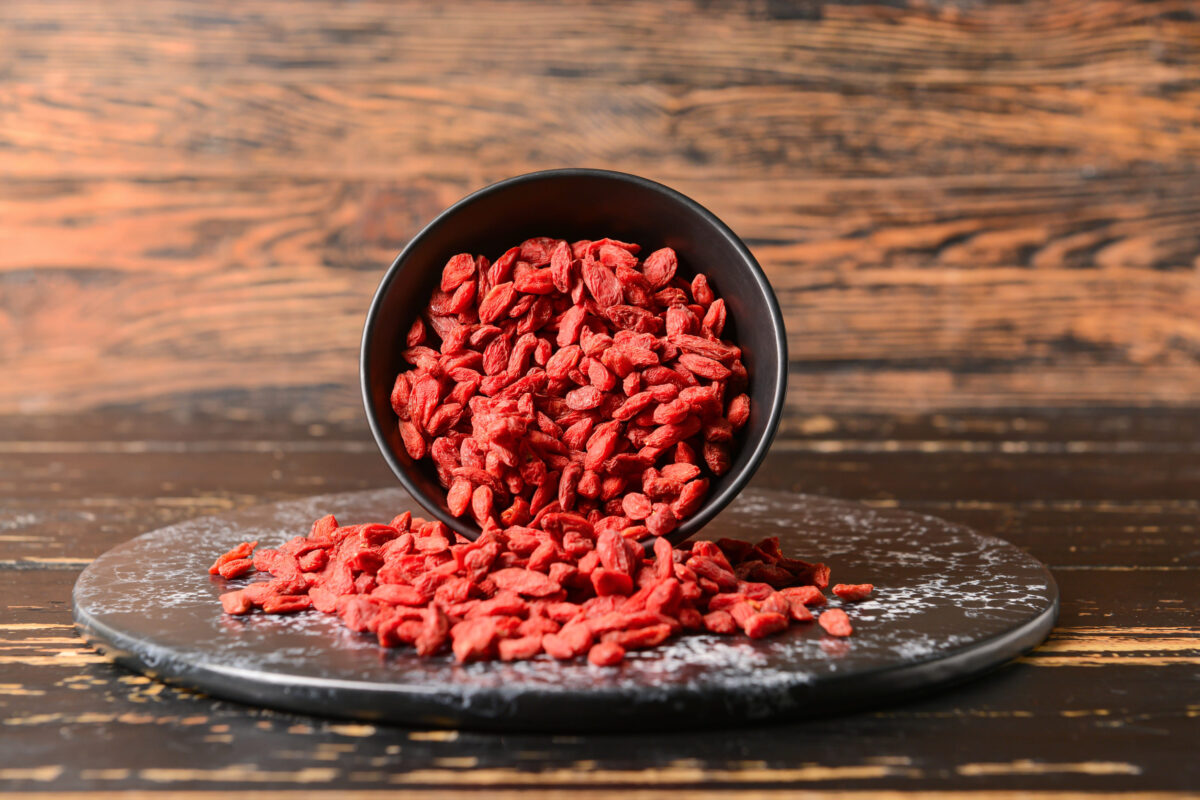
Goji berries are known for their vibrant color and impressive health benefits, including immune support and antioxidant properties. However, if you’re taking medication, particularly blood thinners like warfarin, goji berries could pose a significant health risk.
Studies have shown that goji berries can interfere with the effectiveness of these medications, increasing the risk of bleeding. They can also interact with medications for diabetes, potentially causing blood sugar levels to drop too low. While they’re healthy for most people in moderation, anyone on medication should exercise caution.
Almonds
Almonds are often touted as a healthy snack, loaded with protein, healthy fats, and fiber. But what many people don’t realize is that raw bitter almonds, which are sometimes used in almond-based products, contain amygdalin, a compound that can release cyanide when metabolized.
While the sweet almonds we commonly eat are safe, bitter almonds can be dangerous, and even in small amounts, they pose a risk of cyanide poisoning. Fortunately, the bitter variety is rare in most consumer products, but it’s worth noting when buying almond-based items.
Coconut Oil
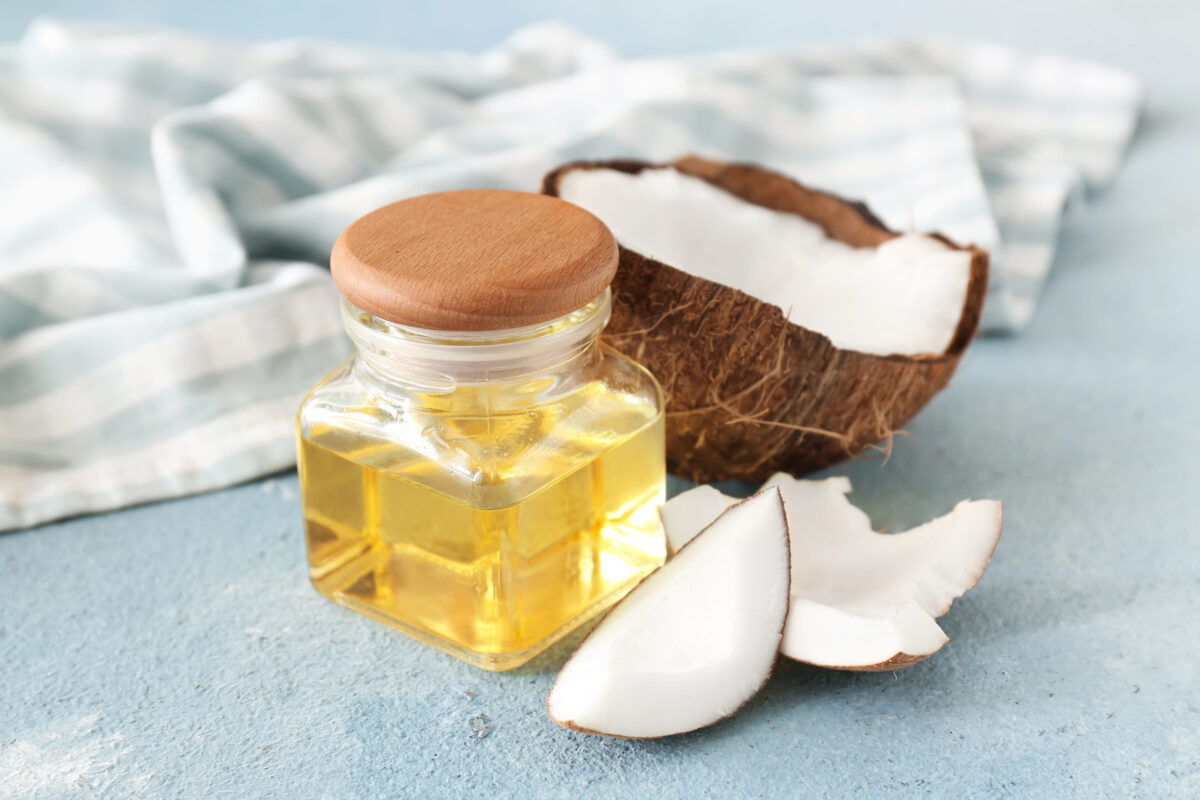
Coconut oil is a staple in many diets, especially in health-conscious circles. Many people believe that coconut oil is a healthier alternative to other oils due to its natural fats and medium-chain triglycerides (MCTs). However, coconut oil is extremely high in saturated fat, with around 90% of its fat content coming from saturated fats.
Excessive intake of saturated fats can raise cholesterol levels, increasing the risk of heart disease. Despite its popularity, consuming coconut oil in large quantities is not as healthy as it may seem, especially for those with cardiovascular concerns.
Chia Seeds
Chia seeds have made their way into everything from smoothies to baked goods, praised for their fiber, omega-3 fatty acids, and protein. But like many other seeds, chia seeds can absorb environmental toxins, including heavy metals such as cadmium and lead, which can accumulate in the soil.
If these seeds are not sourced properly, you could be ingesting harmful levels of these toxic substances. Although chia seeds can be part of a healthy diet, be sure to buy from reputable brands that test their products for contaminants to avoid health risks.
Quinoa

Quinoa has gained immense popularity as a gluten-free, protein-packed alternative to grains like rice. However, it contains high levels of phytic acid, which is known as an “anti-nutrient” because it can bind to minerals like zinc, iron, and calcium, preventing their absorption in the body.
This can lead to mineral deficiencies if quinoa is consumed in large quantities without a balanced diet. Although quinoa can be part of a nutritious meal, overconsumption may reduce the body’s ability to absorb essential nutrients, potentially leading to long-term deficiencies.
Matcha
Matcha, a powdered green tea, has become a go-to for its purported health benefits, including boosting metabolism and enhancing brain function. However, matcha can sometimes be contaminated with lead due to the way the tea is grown.
The leaves used for matcha powder are often grown in the shade, which allows them to accumulate more soil-borne toxins, including lead. While matcha can be a healthy drink in moderation, consuming it in large quantities or choosing low-quality matcha powder could expose you to harmful toxins.
Wheatgrass
Wheatgrass has been heralded for its detoxifying properties and is often consumed in shots or smoothies. It is packed with vitamins and minerals, including vitamin A, C, and iron. However, because wheatgrass is grown in soil and exposed to water, it can easily become contaminated with harmful bacteria like E. coli or Salmonella, especially if not properly washed or handled.
This makes it a risky choice for people with weakened immune systems, pregnant women, or young children. When consuming wheatgrass, it’s crucial to ensure it’s from a trusted source and is properly prepared to minimize the risk of contamination.
Avocado
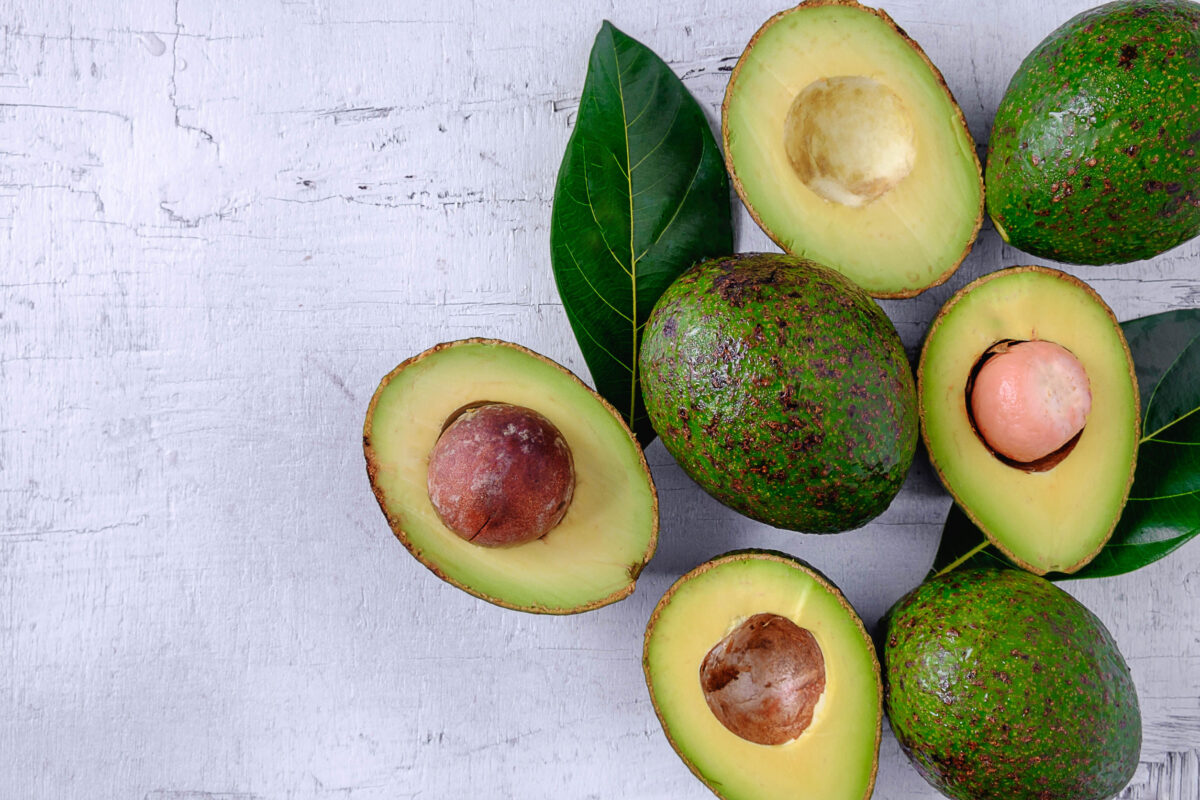
Avocados are often considered a superfood due to their healthy fats, fiber, and numerous nutrients. However, conventional avocados are often grown with significant amounts of pesticides, which can harm the environment and your health.
Avocados are known to retain pesticides in their skin, and while the flesh may be less affected, it’s still possible to ingest harmful chemicals if you’re not washing or peeling the avocado properly. To reduce the risk of pesticide exposure, it’s recommended to buy organic avocados or wash the skin thoroughly before consumption.
Conclusion
While many of these so-called superfoods have legitimate health benefits when consumed correctly, it’s essential to understand that not all of them are as beneficial as they seem. In fact, many of them may pose risks that outweigh their benefits, especially when consumed in excess or purchased from low-quality sources.
It’s important to practice moderation, choose organic or well-sourced products, and be mindful of potential contaminants or interactions with other substances. Before jumping on the superfood bandwagon, make sure to do your research and, when in doubt, consult with a health professional to ensure you’re making the best choices for your health.