These 6 Beautiful American Coastal Towns Will Make You Rethink Your Next Beach Vacation
A beach can sell you on a vacation. A coastal town gives you reasons to stay after you’ve shaken the sand from your shoes. Maybe it’s a waterfront lined with Victorian buildings, a harbor that doubles as an artist’s favorite subject, or a walking path where the ocean keeps interrupting your conversation. These six American destinations offer different versions of that seaside escape, from Oregon’s towering sea stacks to North Carolina’s maritime history.
This isn’t a ranking of secret places, and there’s no need to pretend they’re undiscovered. Their appeal is more interesting than that: each has something distinctive to build a trip around. For your next bucket-list getaway, consider a beach with protected tide pools, a town shaped by local carpenters, or a historic seaport where forest trails and former gun batteries share the itinerary. Here’s what makes each destination worth your attention.
For Pacific Coast Scenery: Cannon Beach and Carmel-by-the-Sea
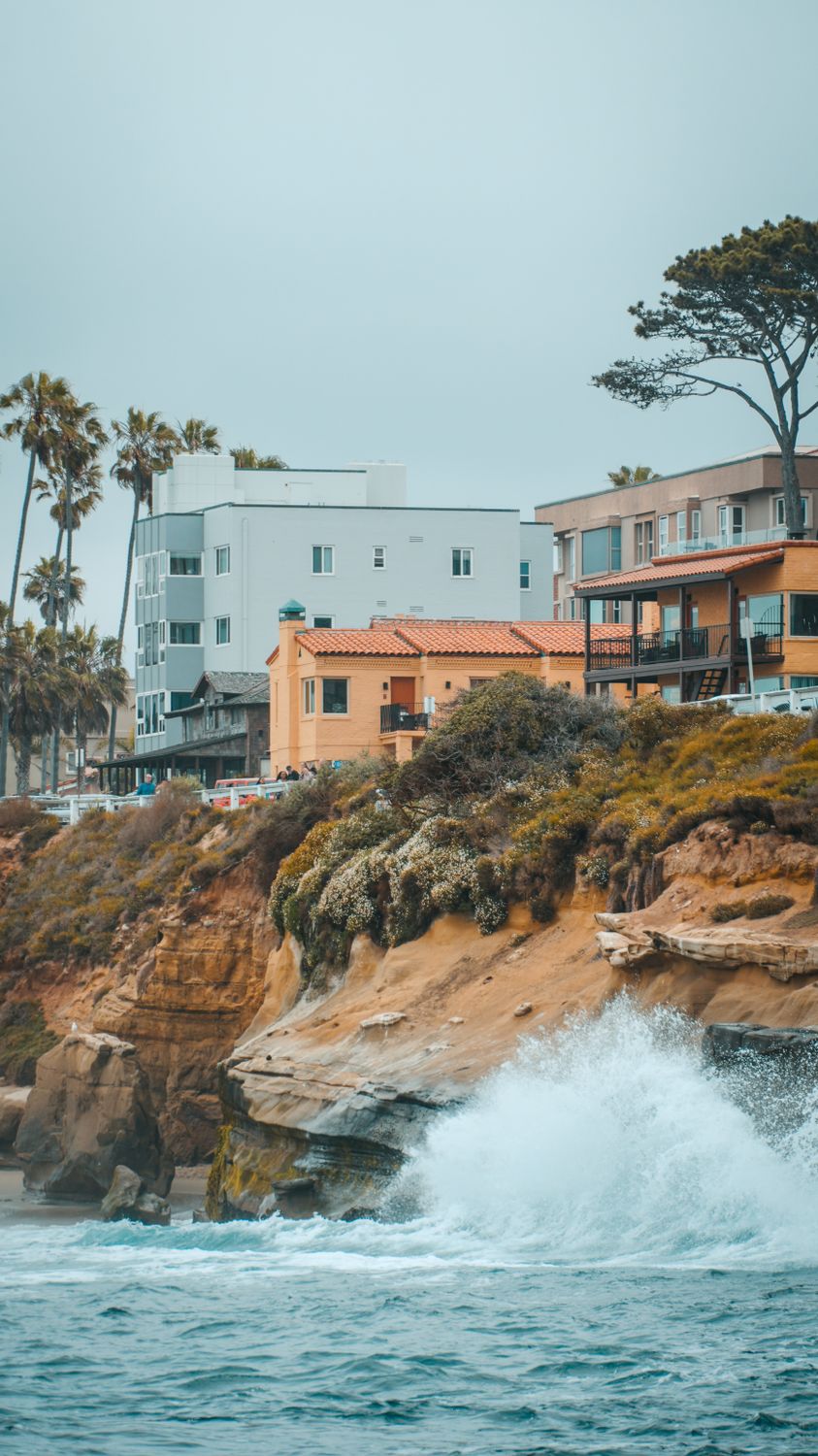
Cannon Beach, Oregon
Cannon Beach makes a memorable first impression without needing much help from your itinerary. Haystack Rock rises 235 feet at the shoreline, giving the broad sandy beach a centerpiece that is impossible to confuse with an ordinary beach umbrella. Nearby, two rocky spires called the Needles add to the scene. The town’s official tourism website describes nearly four miles of beach stretching from downtown, leaving plenty of room to make the shoreline itself the main event.
The real surprise, however, is at your feet. Around Haystack Rock, low tide reveals an intertidal world of sea stars, green anemones, crabs and other marine life. Check the tide tables before planning that part of your visit, and remember that this is a protected Marine Garden, not a souvenir shop: marine life and materials must stay where they belong. Walk on sand or bare rock rather than across living creatures. That turns a pretty beach stop into a closer look at a remarkable coastal habitat.
Carmel-by-the-Sea, California
Carmel-by-the-Sea offers a different kind of Pacific drama: white sand, blue-green water and a coastline framed by cypress trees. Carmel Beach sits at the foot of Ocean Avenue, making the connection between town and ocean part of its appeal. You don’t have to organize an ambitious expedition to appreciate the setting. Head toward the beach, take in the bay, and let the shoreline provide the afternoon’s entertainment. Sometimes the best travel plan really is that straightforward.
If you prefer your ocean views without sand in your shoes, follow the bluff-side path along Scenic Road. Benches provide places to pause, and the route offers views toward Point Lobos. One practical detail to know before you arrive: the destination’s official visitor website warns that beach parking can be scarce, especially on busy weekends. When practical, walking from your lodging makes more sense than assuming a space will be waiting beside the water.
For Historic Streets and Harbor Views: Cape May and Rockport
Cape May, New Jersey
Cape May’s seaside appeal doesn’t stop at the beach. At the southern tip of New Jersey’s Cape May Peninsula, the city combines a beachfront promenade and Washington Street Mall with a remarkable concentration of Victorian buildings. Its historic district is a National Historic Landmark, so an architecture walk is more than a pleasant diversion between beach visits. It is one of the clearest ways to understand what distinguishes this resort town from another stretch of Atlantic coastline.
Look beyond the decorative details, and you’ll find a story of local ingenuity. Architectural historian Carolyn Pitts, who prepared the district’s landmark nomination, wrote: “Many of the buildings in Cape May must have been designed by creative local carpenters using the handbooks of construction that were standard reference,” according to CapeMay.com’s account of the nomination. The buildings mix influences including Gothic, Queen Anne and Italianate styles. Cape May MAC offers historic-district tours for visitors who want more context than a camera roll can provide.
Rockport, Massachusetts
Rockport has a coastal landmark with a very different personality: a dark-red fishing shack known as Motif No. 1. Standing on the harbor, it has become a recognizable subject through paintings, prints and photographs. The regional tourism organization North of Boston identifies it as Rockport’s trademark, and it gives a visit an obvious starting point. Find the shack, study the waterfront around it, and the connection between this fishing village and its artistic identity becomes easy to appreciate.
That relationship extends beyond one photogenic building. Rockport’s visitor organization highlights galleries, shops and the waterfront around Dock Square and Bearskin Neck, while the annual Motif No. 1 Day celebrates both the town’s fishing heritage and creative community. You don’t need to time your trip to the festival to make art part of your visit. Pair harbor views with gallery browsing for a coastal outing that offers more than simply choosing where to spread a towel.
For Maritime Stories and Waterfront Exploring: Beaufort and Port Townsend
Beaufort, North Carolina
Beaufort puts maritime history right on the waterfront. The North Carolina Maritime Museum stands on Front Street, while its Harvey W. Smith Watercraft Center sits across the street on Taylors Creek. The museum explores coastal life through subjects including lighthouses, lifesaving stations, boats, and the seafood industry. It is also the official repository for artifacts recovered from Queen Anne’s Revenge, Blackbeard’s flagship. That gives this coastal stop a genuinely substantial pirate connection, rather than just a themed storefront.
Inside, the collection includes cannons, grenades, belt buckles, and beads recovered from the wreck. Across the street, the watercraft center offers opportunities to watch boatbuilding and take courses. Museum admission is free, though donations are welcome, and it closes Sundays, Mondays, and state holidays. Build your visit around its opening schedule, then spend time at nearby Harborside Park, where an over-the-water deck provides a place to sit and enjoy the creek.
Port Townsend, Washington
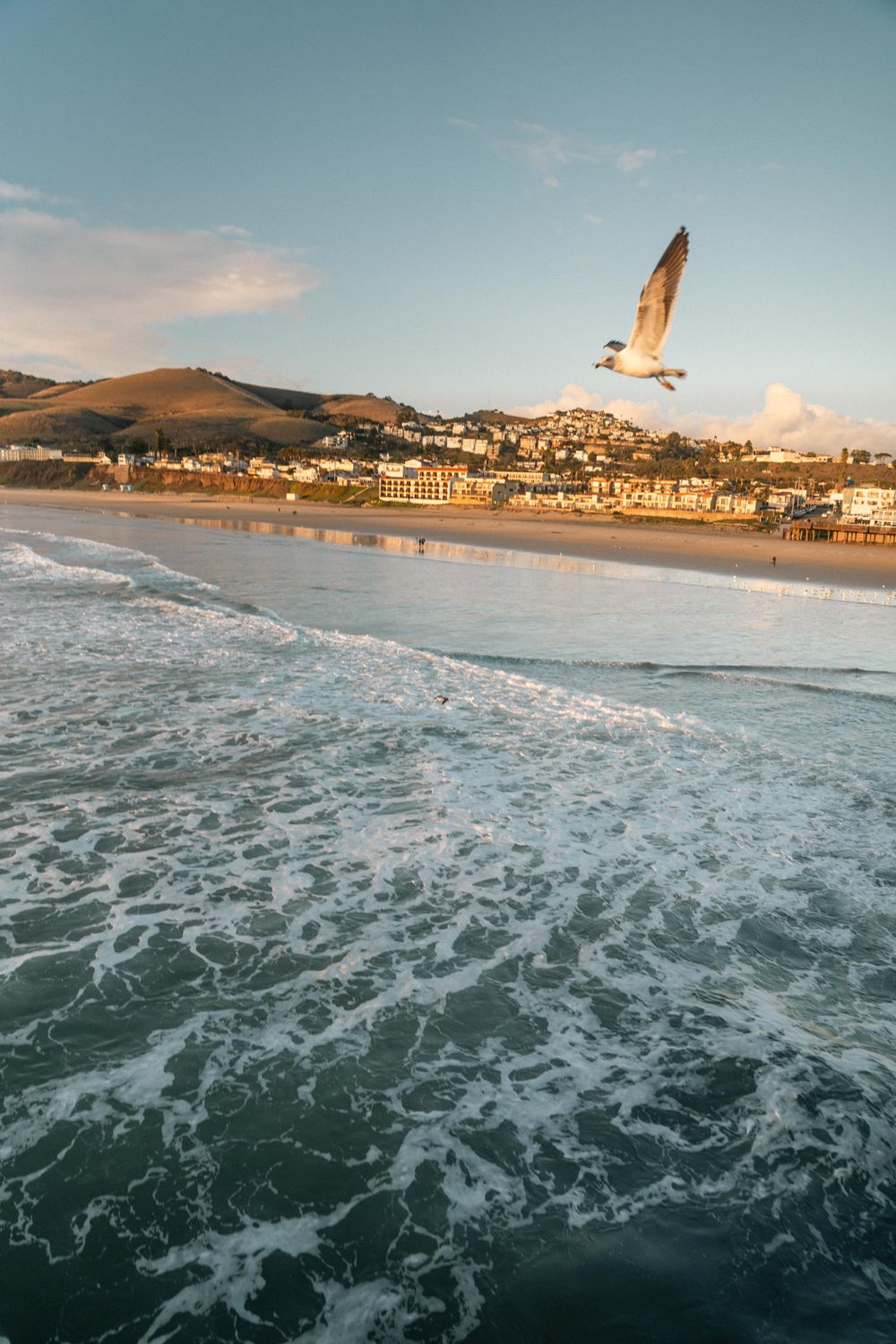
Port Townsend brings Victorian architecture and maritime culture to Washington’s Olympic Peninsula. Regional tourism officials highlight its historic streets, galleries, shops, and seafaring heritage, with both downtown buildings and uptown homes contributing to the experience. This is a destination for travelers who want their waterfront escape to include some exploring. Start with the historic neighborhoods, then make room for the coastline beyond them rather than treating the town as a quick photograph-and-go stop.
Fort Worden Historical State Park supplies that outdoor chapter. Overlooking Admiralty Inlet at the entrance to Puget Sound, the park combines beaches, forests, historic gun batteries and museums, with 12 miles of hiking trails to explore. It’s a fitting place to finish this list because it widens the definition of a coastal vacation. You can come for the water and leave remembering the architecture, the trails and the history just as clearly as the shoreline.