Think Twice Before Handing Over Your Card at These 7 Places
Handing over a card has become so automatic that most of us don’t think twice. We pass it to a server, slide it into a pump or read the number to someone on the phone without a second thought.
Most of the time that is perfectly fine. But a handful of places give thieves, hidden devices or surprise holds a better shot at your money. With the holiday shopping and travel season starting right after Thanksgiving dinner, here are seven places where a little caution goes a long way.
1. Gas Pumps
Pumps are outdoors, often unattended, and easy for criminals to tamper with. The Federal Trade Commission’s alert on card skimming at the gas pump recommends checking that the pump panel is closed and shows no sign of tampering, and comparing the card reader to the others at the station. If it looks different or wiggles when you tug on it, tell the attendant and use another pump.
The FTC also suggests running a debit card as credit at the pump so you don’t enter your PIN, or paying the cashier inside. Our guide to the signs a gas pump or card reader has a skimmer covers what to look for.
2. Standalone ATMs in Quiet Spots
The ATM tucked in a dim corner of a convenience store or parking lot is a tempting target. The U.S. Secret Service recommends on its skimming investigations page using ATMs inside bank branches, in well-lit areas with cameras, or at drive-up lanes, since those are harder to tamper with.
Watch for burned-out lights, a keypad that sits higher than normal, loose parts or stickers in odd spots, and always cover the keypad with your other hand.
3. Restaurants Where the Card Leaves the Table
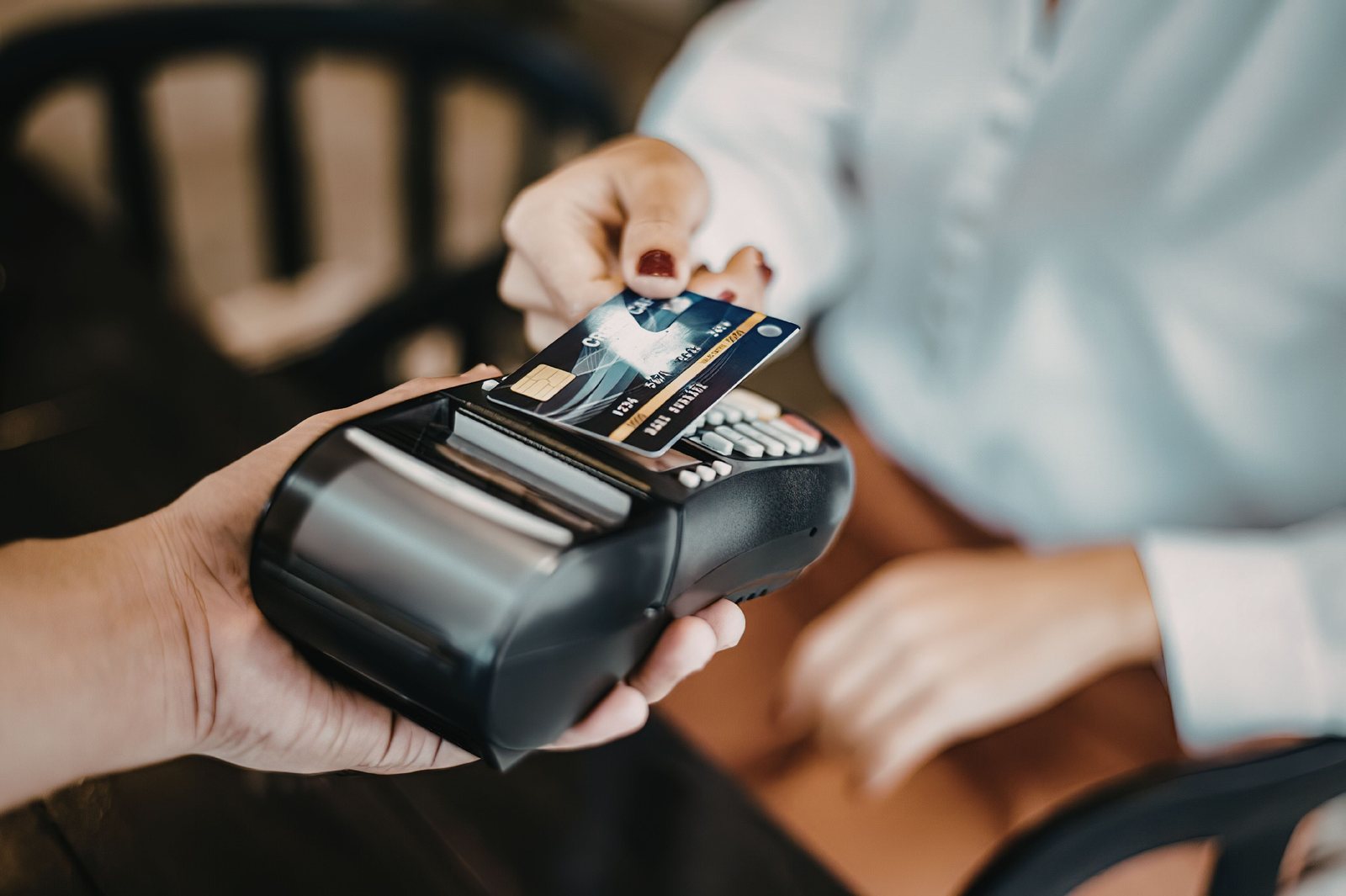
At many sit-down restaurants, the server still walks your card to a terminal in the back. Most servers are honest, but you lose sight of the card. When you can, choose places that bring a handheld terminal to the table, and tap or insert the chip yourself. The Secret Service notes that tap-to-pay and the chip are safer than swiping the magnetic stripe, which is easier to copy.
If a restaurant does take the card away, it is worth checking your account the next day, the same way you would double-check a bill before you settle up on American tipping and other traditions that confuse visitors.
4. Hotel Front Desks
Checking in almost always means a hold on your card. Bankrate’s comparison of credit and debit cards gives the example of a $200 hold for a hotel room or rental car. With a debit card, that money is unavailable in your checking account until the hold is released, while a credit card only ties up part of your available credit.
If you are traveling light this season with a carry-on suitcase that skips the bag fee, a credit card at check-in keeps your cash free for the trip.
5. Rental Car Counters
The same hold logic applies at the rental counter, and it can last for the length of the rental. Using credit instead of debit keeps that hold from squeezing your bank balance while you are on the road. It is one more thing to sort out before you pack your personal-item kit for holiday flights.
6. Anyone Who Calls Asking for Your Card Number
If someone calls claiming to be your bank and asks you to confirm your card number, PIN or security code, think twice before saying a word. Hang up and call the number on the back of your card instead. Our list of things you should never tell a caller who says he’s from your bank explains why.
7. Any Purchase You Won’t Be Able to Track
Card fraud doesn’t always show up right away. The Consumer Financial Protection Bureau’s advice on watching your accounts when card data is hacked says to look for unfamiliar merchants, even small charges, since thieves sometimes test a card with a tiny purchase first, and notes that fraud can surface months after information is stolen.
That matters most for one-off purchases at places you won’t visit again, like a roadside stop or a pop-up holiday vendor. Make a mental note, and glance at your account a few days later.
Know Your Protections
If something does go wrong, speed helps. According to the FTC’s guide to lost or stolen credit, ATM and debit cards, your maximum liability for unauthorized credit card charges is $50, while debit card losses can climb the longer you wait to report them, and could include the full amount taken if you wait more than 60 days after your statement is sent.
That gap is a big reason many people keep a credit card for travel, restaurants and gas, and save the debit card for the bank’s own ATM. A few small changes make it much harder for anyone to get at your money this holiday season.