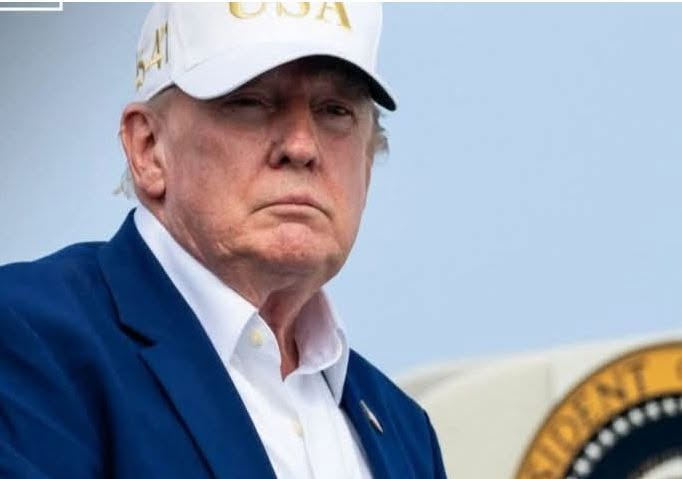
Trump “No Longer Behaving Like Somebody Who Cares,” Haberman Says as Political Tensions Build
A new wave of political scrutiny is forming around Donald Trump’s leadership style, after veteran New York Times reporter Maggie Haberman suggested the president is increasingly acting as though political consequences and voter concerns are no longer central to his decision-making.
Her remarks, delivered during a CNN interview, arrive at a politically sensitive moment where affordability pressures, legislative gridlock, and internal Republican tensions are converging ahead of the next electoral cycle.
A Leadership Style Increasingly Driven by Instinct

At the center of Haberman’s warning is a shift in how Trump appears to be making political decisions. She described a governing style that relies less on polling data than in his first term, and more on what has been characterized as “gut instinct.”
This is not simply a stylistic change. It reflects a broader structural shift in political feedback where traditional data inputs, such as polling and internal memos, appear to carry less influence over decision-making. In its place is a compressed decision loop, where fewer external signals shape executive direction.
The Affordability Divide Sitting Beneath the Politics
Haberman’s comments were made in the context of a broader concern: affordability.
Internal analysis referenced in the discussion reportedly emphasized that cost-of-living pressures remain one of the most important factors shaping voter behavior ahead of the midterms. Housing costs, inflation concerns, and household financial strain are not background issues; they are central drivers of political sentiment.
Yet the tension lies in the perceived gap between that analysis and public messaging. While affordability is identified internally as politically decisive, it has not always been matched with consistent legislative or rhetorical focus.
Housing Bill Delay Becomes a Political Flashpoint
The discussion intensified around Trump’s reported decision to delay signing a bipartisan housing bill, linking its progress to the advancement of his voter ID legislation, the SAVE America Act. That decision, as described in the interview, highlights a growing pattern in which legislative priorities are bundled together in high-stakes political sequencing.
The result is not just policy delay, but a broader perception of misalignment between urgent economic concerns and procedural strategy. In a political environment where housing affordability is increasingly central to voter anxiety, such delays carry amplified symbolic weight.
The SAVE America Act and Rising Legislative Friction
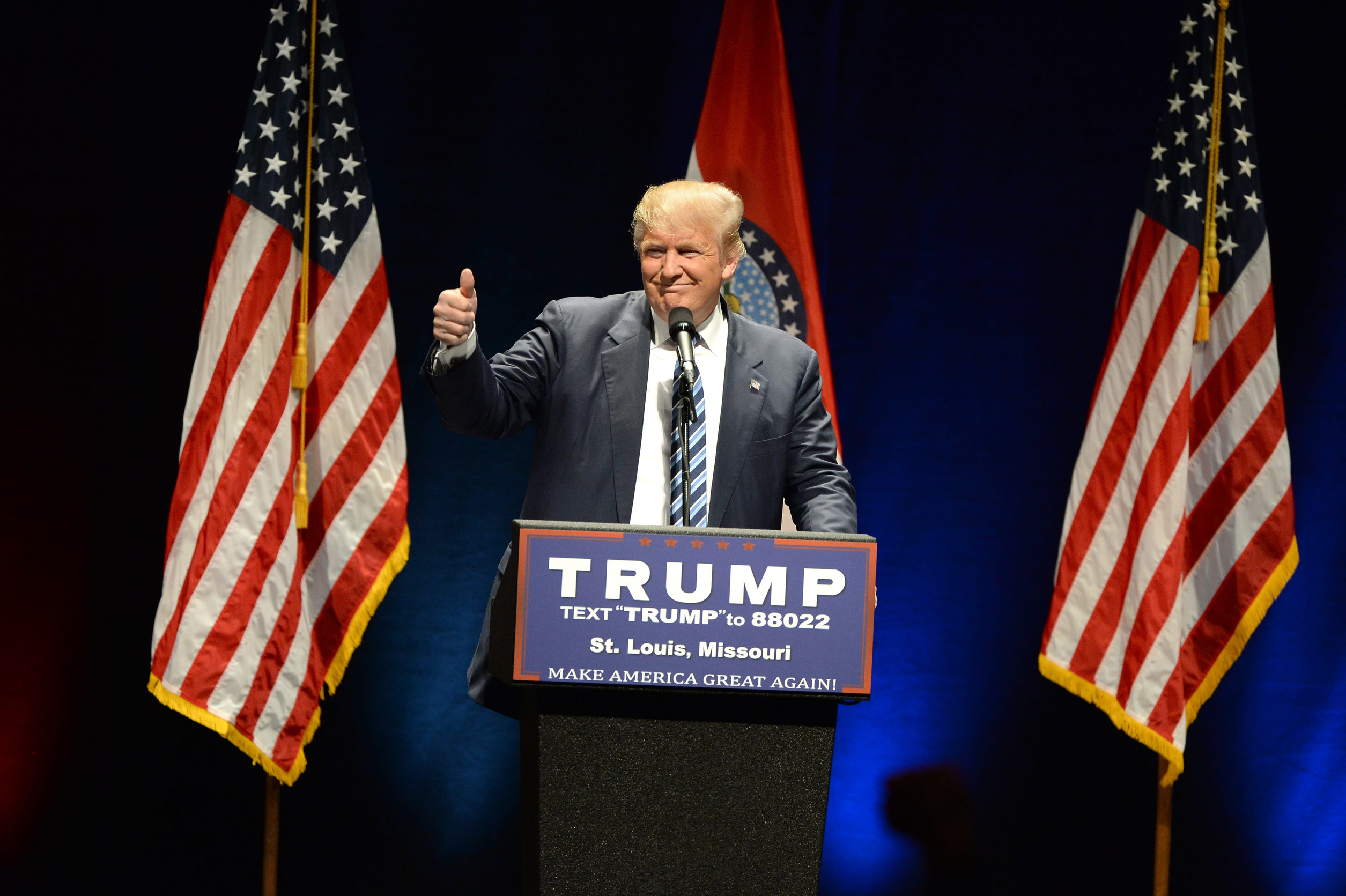
The SAVE America Act has become a focal point of both policy ambition and political tension. Trump’s push to advance the bill, including pressure on Senate leadership to consider procedural changes such as eliminating the filibuster, has added strain within Republican ranks.
Senate Republicans, according to the discussion, have expressed frustration over repeated legislative setbacks and the political cost of pushing contested reforms through a divided chamber. These tensions are not isolated disagreements but part of a broader strain between executive urgency and legislative caution.
A Party Under Strategic Pressure
What emerges from this dynamic is not simply policy disagreement, but a party operating under increasing internal pressure. GOP lawmakers are navigating a difficult balance: maintaining alignment with a high-profile agenda while managing repeated legislative obstacles and the political risks associated with them.
Each failed vote or stalled initiative compounds the perception of friction within the party’s strategic direction. This creates a governing environment where messaging discipline and legislative outcomes are increasingly difficult to align.
The Affordability Memo vs. the Messaging Gap
One of the most revealing elements in Haberman’s reporting is the reference to internal White House analysis suggesting that Republicans would need to directly confront the affordability crisis to maintain political strength in the midterms. Yet the concern raised is not the absence of strategy but the disconnect between strategy and execution.
This creates a structural contradiction: internal recognition of economic pressure as a defining electoral issue, paired with external messaging and policy sequencing that does not always reflect that urgency. There is a gap between what the data signals and what the political system amplifies.
A Presidency Operating on Reduced Feedback Loops
Taken together, Haberman’s comments point toward a broader shift in governance dynamics: a presidency operating with fewer external feedback mechanisms and a greater reliance on internal judgment.
In practical terms, that means fewer polling constraints, fewer corrective signals from traditional political metrics, and a higher degree of directional confidence even in the face of mixed or conflicting external indicators. The political risk in such a model is not immediacy, but accumulation, where misalignment becomes visible only after multiple cycles of voter response.
Midterms as a Test of Political Sensitivity
The upcoming midterm elections, in this framing, become more than a test of party control. They function as a real-time evaluation of political responsiveness. At stake is not only electoral performance, but whether leadership strategy aligns with the dominant voter concern of the moment: affordability.
If voters respond primarily to economic pressure, then the effectiveness of governance will be measured not by legislative ambition alone, but by perceived sensitivity to household conditions.
A Political System Under Behavioral Strain
What Haberman’s remarks ultimately highlight is not a single controversy, but a broader strain within the political system itself. On one side is a leadership style increasingly driven by instinct and priority stacking.
On the other hand, there is an electorate shaped by economic constraint and immediate financial pressure. Between them lies a narrowing space where policy, perception, and consequence must align or drift further apart as the election cycle intensifies.
For now, the question is not just whether political decisions are being made. It is whether they are still being made with consequence in mind.