7 Things You Should Think Twice About Cleaning With OxiClean
You spot an impossible, stubborn stain, your blood pressure spikes, and suddenly you’re reaching into the cleaning cabinet like a warrior unsheathing a weapon. Naturally, your hand lands on OxiClean, the undisputed heavyweight champion of making mysteries disappear from white tees.
But before you unleash that sparkling blue-and-white magic, take a breath. That tub of oxygen-powered glory might seem like an all-powerful miracle worker, but on the wrong surface, it’s less a savior and more a wrecking ball. Data from the American Cleaning Institute indicates that 48% of U.S. adults pre-treat stains as part of their regular laundry habits.
The danger isn’t that OxiClean doesn’t work; it’s that it works too well, tempting us to assume it belongs on every surface in the house. Spoiler: it definitely doesn’t
Wool sweaters and blankets need special care
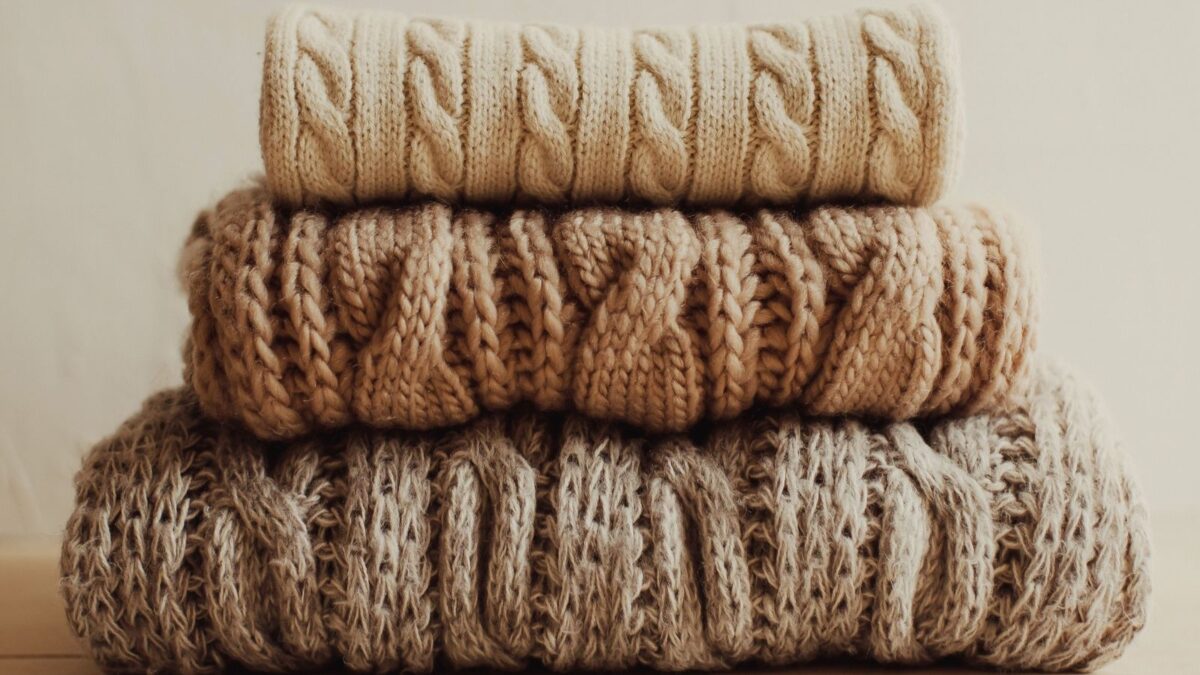
That cozy wool sweater deserves better than an experimental stain-removing soak. OxiClean’s manufacturer specifically warns against using Versatile Stain Remover on wool and wool blends. Even a sweater that combines wool with synthetic fibers falls under that restriction. That routine might suit an ordinary washable cotton shirt, but it doesn’t make sense for a wool cardigan or favorite winter blanket.
Instead, check the garment’s care label before attempting to remove a stain. Some wool garments allow gentle cleaning, while others require professional care. A quick glance at the tag could save you from an unnecessary laundry mishap. Your favorite sweater deserves a little more attention than whatever happens to sit beside the washing machine.
Silk pillowcases and scarves should stay out of the soaking bucket
Silk pillowcases can make a bedroom feel luxurious, but their delicate fabric calls for a thoughtful cleaning routine. OxiClean officially instructs users not to use Versatile Stain Remover powder on silk, silk blends, wool, wool blends, leather, or any items labeled dry-clean only. The warning applies even when a manufacturer combines silk with another material. That means a silk-blend scarf doesn’t automatically qualify for the same treatment as everyday washable clothing.
OxiClean advertises its powder as a chlorine-free stain remover, but that feature doesn’t make it suitable for every textile. Its usual soaking directions allow up to six hours for compatible garments, yet silk sits outside those recommendations. Check the care label and choose a cleaning method that suits the fabric. A little caution can help you avoid turning a small makeup mark or coffee splash into a much bigger wardrobe headache.
Leather items and dry-clean-only clothing require another approach
A stain on a leather handbag or favorite jacket can make you want to act immediately. However, grabbing OxiClean powder isn’t the answer. The manufacturer’s warnings specifically exclude leather and clothing marked “dry clean only.” Those exclusions leave little room for experimenting with a weaker mixture or shorter soaking time.
Check the material and care instructions before taking action. For leather, follow the item’s manufacturer’s recommended cleaning method. For garments requiring dry cleaning, consider asking a professional cleaner about the stain. That extra effort makes more sense than gambling with an expensive coat, handbag, or tailored outfit simply because a multipurpose stain remover happens to be nearby.
Relatable: 8 Old-Fashioned Cleaning Tricks That Still Work
Some sofas and rugs cannot handle the same stain treatment
A spilled drink on the living room sofa can send anyone scrambling for cleaning supplies. Yet OxiClean doesn’t recommend its Versatile Stain Remover powder for every couch, carpet, or decorative rug. Official instructions from OxiClean show you must strictly limit upholstery and rug applications to water-washable materials. That detail deserves attention before you tackle an expensive upholstered chair or living room rug.
For compatible carpets, OxiClean recommends leaving the solution on the stain for one to five minutes, then blotting and rinsing.
Upholstery requires another method. The brand advises applying the prepared mixture to a clean white towel and gently blotting the affected area rather than pouring liquid directly onto the furniture. It also warns against letting the solution dry on fabric. Start with the furniture maker’s cleaning instructions, and test a hidden area where appropriate. A rushed attempt to remove one ugly stain shouldn’t create another cleaning problem.
Finished wood furniture isn’t the same as an unfinished deck
Your dining table and backyard deck might both contain wood, but OxiClean doesn’t treat them as interchangeable cleaning surfaces. Its product directions specifically exclude finished wood. That distinction matters for polished tables, wooden cabinets, and furniture with protective finishes.
Don’t assume the cleaner that tackles dirt on an unfinished deck belongs on your coffee table. Before cleaning outdoor wood, confirm its finish and check the product instructions. For indoor furniture, follow the furniture maker’s cleaning recommendations. A multipurpose cleaning powder might sound convenient, but protecting the surface matters more than finding one product for every household chore.
Jewelry deserves a cleaner made for its materials

That favorite ring might look dull after months of daily wear, but an OxiClean soak isn’t the shortcut to try. The brand addresses this question directly in its official frequently asked questions. Its explanation states, “OxiClean Versatile Stain Remover is not designed to remove stains on jewelry.” That’s a clear reason to keep necklaces, bracelets, and rings away from the laundry-stain treatment.
Jewelry also presents a different cleaning challenge from ordinary household fabrics. A necklace may combine metal, stones, coatings, and decorative details that require individual attention. The manufacturer’s restriction doesn’t establish that OxiClean damages every type of jewelry, but it certainly doesn’t support experimenting with it. Instead, check the jewelry maker’s care recommendations or consult a qualified jeweler for valuable pieces.
Coffee makers are off the cleaning list
Coffee stains on your favorite shirt and residue inside your coffee maker might seem like similar problems. OxiClean, however, draws a firm distinction between the two. Interestingly, the manufacturer does provide instructions for cleaning another kitchen appliance. It allows users to wipe the inside of a dishwasher with a properly dissolved solution, then run an empty rinse cycle. But that permission doesn’t extend to coffee makers.
Different appliances have different cleaning instructions, and the company makes this particular restriction clear. Check your coffee maker’s manual for its recommended cleaning or descaling process. That approach keeps your morning coffee routine simple without turning an ordinary appliance-maintenance task into an unnecessary experiment.