8 Chain Restaurants Losing Diners as Prices Keep Climbing

Eating out used to feel like a small reward after a long day. Now, for many Americans, the receipt feels like a warning label. A burger meal, a sandwich combo, or a plate of wings can suddenly look less like casual dining and more like a household budgeting decision.
That shift has changed how people judge familiar restaurant chains. Customers are not just asking if the food tastes good anymore. They are asking if the price still makes sense. Below are the eight chain restaurants losing diners as prices keep climbing.
McDonald’s

McDonald’s built its empire on speed, comfort, and the promise of affordable food. That promise feels shakier now, as a simple combo can creep into double digits in many locations. The brand still has strong loyalty, but even loyal customers notice when a quick stop starts to feel like a sit-down bill.
The bigger problem is emotional. People remember when McDonald’s felt like the cheap option, not the backup plan after everything else got expensive. Once a chain loses its value image, discounts and app deals have to work much harder to win people back.
Subway

Subway once owned the idea of the affordable sandwich. The famous bargain era made the chain feel practical, filling, and easy to justify. Today, a footlong with extras, chips, and a drink can leave customers wondering when lunch became such a commitment.
The frustration is not just about price. Customers compare the sandwich in their hands with what they could buy at a grocery store for the same amount. When that comparison becomes embarrassing, the brand has a problem that no slogan can fix.
Five Guys
Five Guys has always leaned into quality, fresh toppings, and generous fries. Many fans still love the food, but the bill can shock those who walk in expecting typical fast-food prices. A burger, fries, and a drink can feel closer to casual dining than counter service.
That creates a tricky value gap. Customers may praise the taste and still decide they cannot make it a regular habit. Five Guys has become the chain many people crave, only to skip it once they remember the total.
Chipotle
Chipotle still has one of the strongest fast casual identities in America. The bowl feels customizable, fresh, and filling. But rising prices have made customers much more sensitive to portion size, especially when they feel the scoop of meat or guacamole has become less generous.
This is where perception becomes powerful. A customer may forgive a higher price if the bowl looks loaded. But when the price rises, and the portion feels smaller, frustration spreads fast because people feel they are paying more and receiving less.

Applebee’s
Applebee’s has long depended on the middle ground between fast food and pricier restaurants. That middle ground is harder to protect now. Appetizers, drinks, entrées, taxes, and tips can quickly turn a casual family meal into a bill that feels too heavy for an ordinary night out.
The chain has responded with deals and limited-time offers, but those promotions also reveal the problem. Customers now wait for specials instead of trusting the regular menu. Once diners become deal hunters, full price becomes harder to defend.
Buffalo Wild Wings
Buffalo Wild Wings used to feel like an easy choice for sports, groups, and casual nights out. Wings, sauces, screens, and drinks made the chain feel lively and social. But wings have become expensive, and group dining gets painful when every order adds up quickly.
The chain still sells an experience, not just chicken. That helps, but it does not erase sticker shock. When customers realize they can watch the game at home with cheaper snacks, the restaurant has to prove the atmosphere is worth the extra money.
IHOP
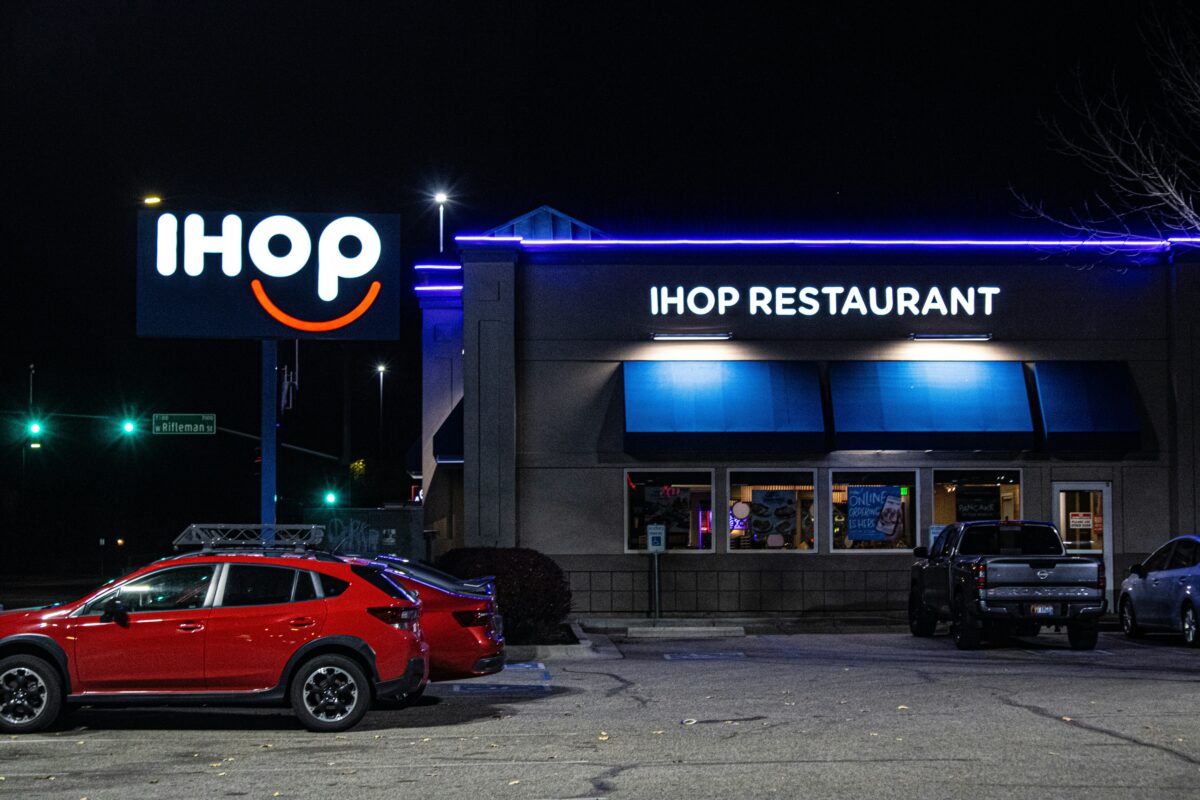
IHOP has a nostalgia advantage that many chains would love to have. Pancakes, eggs, coffee, and late-night comfort food are part of its charm. But breakfast is one of the easiest meals for families to compare with home cooking, and that makes rising prices feel sharper.
When pancakes and eggs start to feel expensive, customers react differently than they do to steak or seafood. They know the ingredients. They know what breakfast costs at home. That makes the restaurant bill harder to swallow, even when the experience feels cozy.
Panera
Panera built its reputation around soups, salads, sandwiches, and a slightly calmer dining experience. For years, it felt like a smarter lunch choice. But customers have grown louder about prices, especially when a soup-and-sandwich combo can feel too close to a full restaurant meal.
The risk for Panera is that its food lives in a crowded space. Grocery stores, coffee shops, fast casual rivals, and meal prep all compete for the same lunch dollars. If customers stop seeing Panera as a convenient value, they may decide the quiet dining room is not enough.
The Real Problem Is Trust

The restaurant industry can explain higher prices by citing labor, rent, food costs, packaging, delivery fees, and supply pressures. Those reasons may be real, but customers judge the final receipt. They do not study operating costs before deciding if lunch felt fair.
That is why chain restaurants are facing a deeper challenge than inflation. They have to rebuild trust around value. Diners will still pay for food they love, but they want the price, portion, and experience to line up. When that balance breaks, even famous chains start looking optional.