8 Marriage Customs From the 1970s That Younger Couples Find Shocking
Marriage in the 1970s looked very different from marriage today. Couples married younger, wedding planning was simpler, and many expectations about husbands and wives were still shaped by the decades that came before. At the same time, the women’s movement was changing the conversation, so the decade sat right at the edge of old traditions and new ideas.
When younger couples hear about some of the customs their parents and grandparents followed, they are often surprised. Some of these habits sound sweet, while others seem strict or unfair by modern standards. Here are some of the 1970s marriage customs that tend to raise eyebrows with couples today.
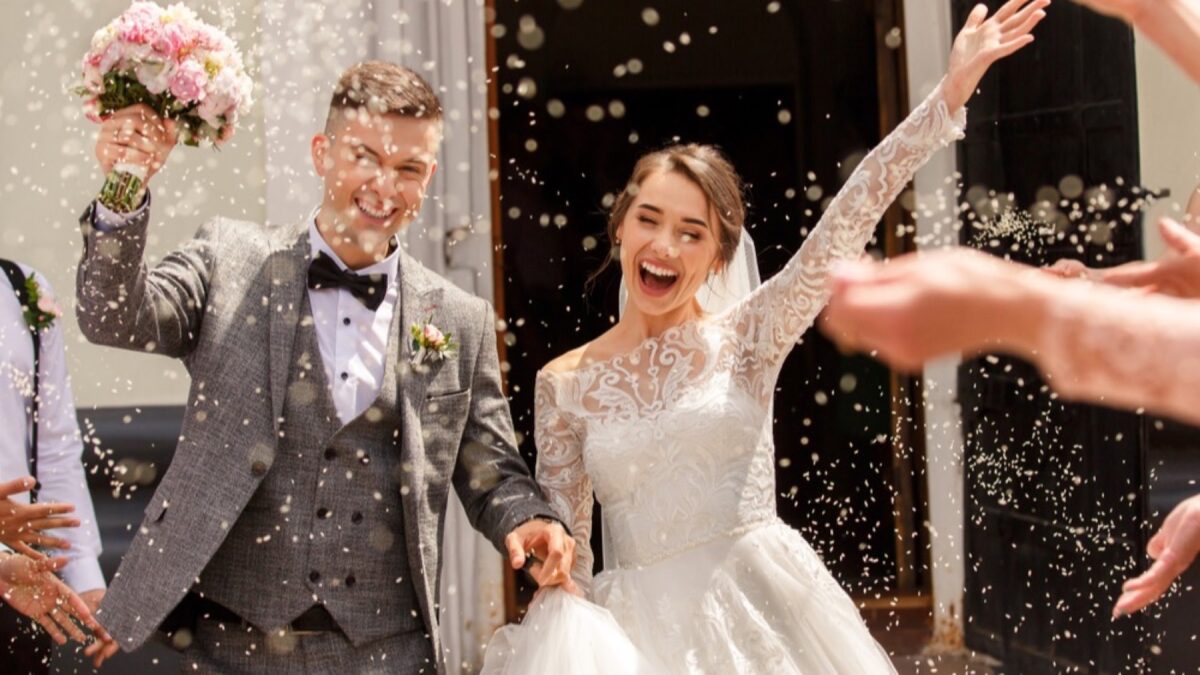
1. Getting Married in Your Early Twenties
In the 1970s, it was common to marry right out of high school or college. According to U.S. Census data, the median age at first marriage in 1970 was about 23 for men and under 21 for women. Many couples were engaged after only a year or two of dating.
Today, the median age is around 30 for men and 28 for women, so younger couples often find the old timeline hard to imagine. Many of them want to finish school, build a career and live on their own before settling down. For boomers, though, marrying young was simply what people did, and many of those marriages lasted for decades.
2. The Wife Taking Her Husband’s Name Without a Second Thought
Most brides in the 1970s took their husband’s last name, and few people questioned it. Being introduced as “Mrs. John Smith” was considered normal and even proper. Bank accounts, mail and invitations were often addressed using the husband’s full name.
Younger couples today have more options, and many choose them. Some women keep their own names, some hyphenate, and some couples even create a new shared name. Hearing that a wife’s identity was once tied so closely to her husband’s name can surprise people who grew up with more choices.
3. Asking the Father’s Permission
In the 1970s, many young men went to their girlfriend’s father to ask for permission to marry her. It was often a nervous conversation in the living room, with the father asking about job prospects and plans for the future. Some fathers gave their blessing on the spot, while others wanted time to think it over.
Some couples still follow this tradition today, but many treat it as a gesture of respect rather than a request for approval. Others skip it entirely, seeing marriage as a decision for the couple alone. The idea that a father’s “yes” was needed before a proposal can feel old-fashioned to many younger people.
4. Separate Roles at Home
In many 1970s homes, the husband was expected to be the main earner, while the wife handled cooking, cleaning and child care. Even when women worked outside the home, they often still carried most of the household duties. Dinner on the table at six was a familiar expectation in many households.
Modern couples are more likely to split chores and child care, or at least talk openly about how to divide them. Research from Pew Research Center shows a growing share of marriages where husbands and wives earn about the same. That shift helps explain why younger couples find the old division of labor surprising.
5. Credit in the Husband’s Name
One of the most shocking facts for younger women is how hard it once was for married women to get credit in their own name. Before the Equal Credit Opportunity Act of 1974, banks could deny women credit cards or loans, or require a husband’s signature. Many wives had no credit history at all.
The law changed that, but it took time for practices to catch up. Many women who married in the early 1970s remember that the family’s finances were officially in their husband’s name. For younger couples who open separate accounts and credit cards as a matter of course, this part of history can be eye-opening, and it also shaped the way many couples think about money today.
6. Small Weddings in Church Halls
Many 1970s weddings were simple affairs held in a church, followed by a reception in the church hall or a family backyard. The menu might be cake, punch, mints and nuts, or a buffet made by relatives. Brides often wore homemade dresses or borrowed gowns.
Today, weddings can be elaborate events with venues, caterers, photographers and planners. Younger couples are often surprised to learn how little their parents spent and how much was handled by family and friends. Some couples now look back on those simpler weddings with admiration, especially as the cost of modern weddings keeps rising.
7. Staying Together “for the Kids”
In the 1970s, divorce was becoming more common, especially after states began passing no-fault divorce laws. Still, many couples felt strong pressure to stay married, especially if they had children. Unhappy marriages were often kept private, and couples were expected to work things out quietly.
Younger generations tend to talk more openly about emotional needs and mental health. Many believe that staying in a deeply unhappy marriage can be harder on children than a respectful separation. The idea of sticking it out at all costs can seem surprising to people who grew up with more open conversations about relationships.
8. Rarely Living Together Before Marriage
Living together before marriage was still uncommon and often frowned upon in the early 1970s. Many couples moved straight from their parents’ homes into their first apartment as newlyweds. Some families considered cohabitation a scandal.
Today, living together first is extremely common, and many couples see it as an important step before marriage. Younger people are often shocked to hear that their parents set up house together for the very first time after the wedding. For boomers, the first night in a shared apartment was part of the excitement of being newlyweds.
A Decade of Change
The 1970s were a time when many old customs started to shift. Laws changed, women entered the workforce in larger numbers, and couples began to rethink what marriage could look like. Many of the habits that seem surprising today were already being questioned back then.
Still, many boomer couples who married in that decade are celebrating 50th anniversaries now. Their stories show that while customs change, the commitment behind a long marriage can stand the test of time. Younger couples may find some of the old ways shocking, but they can also learn a lot from the people who made those marriages last.