Legal Weed Was Supposed To Beat the Black Market. Critics Say It May Be Helping It Win
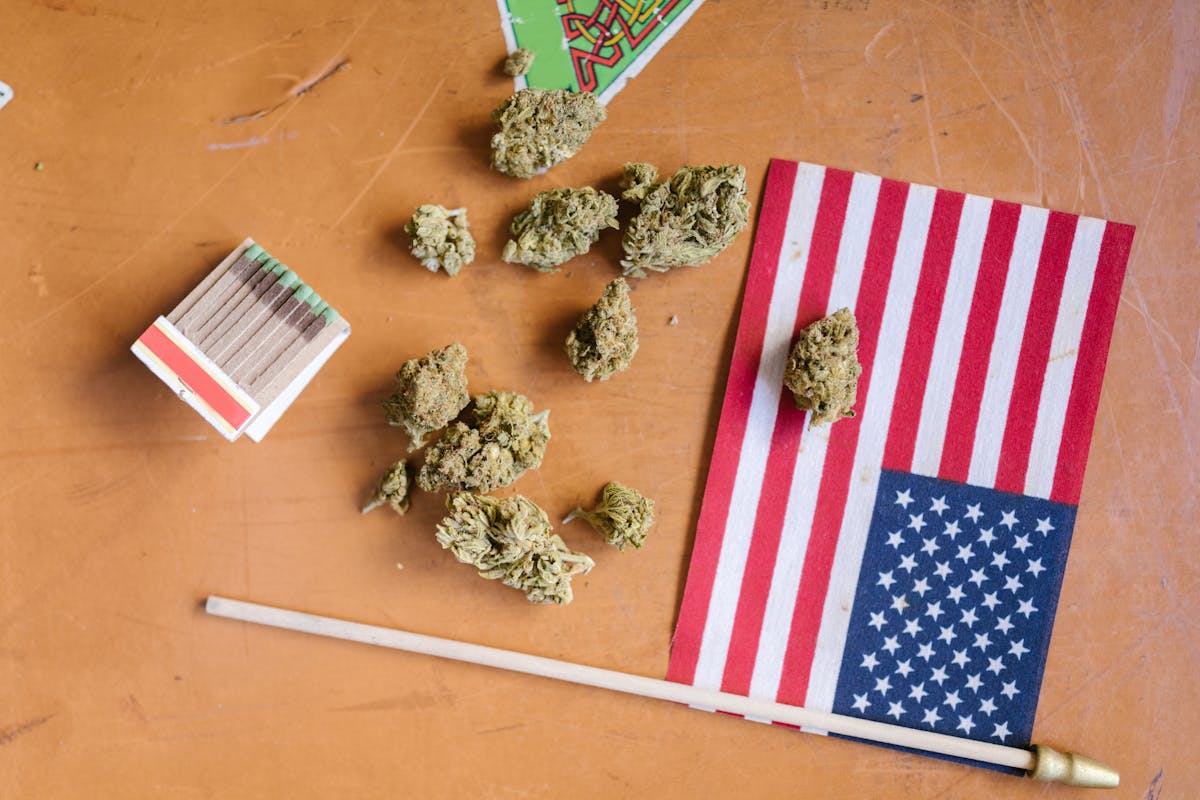
Legal weed black market concerns are becoming harder for Americans to ignore. Legalization was sold as a cleaner, safer way to bring cannabis out of the shadows, tax it, regulate it, and weaken illegal dealers. But critics now say the promise looks far more complicated. In states such as California, legal cannabis businesses are under pressure, underground sellers remain active, and some buyers may still be choosing cheaper products outside the licensed system.
That is what makes this story bigger than another marijuana debate. It touches money, public safety, parenting, small businesses, and trust in government promises. Supporters may still believe adults should have legal access, but many voters may wonder whether the system was built in a way that gave illegal sellers too much room to survive. Here are the biggest reasons this debate is getting harder to brush aside.
The Promise Sounded Simple Until the Market Pushed Back
Legalization came with a clear pitch. If cannabis became legal, states could regulate the market, test products, collect taxes, reduce arrests, and push illegal dealers out of business. That sounded practical because it turned a long-running underground trade into something that looked controlled. Licensed stores would replace street sales, and public programs would benefit from the new tax money.
The problem is that real markets do not always follow campaign slogans. Critics say legal weed did not erase the black market. It created a legal system that now competes with illegal sellers for the same customers. That is the tension behind the story. Americans were told that legalization would bring order, but in some places, the old market may still stand beside the new one.
Cheap Weed Is Still a Powerful Sales Pitch
The biggest reason the black market survives may be painfully simple: price. Legal cannabis shops often face licensing fees, product testing, security regulations, payroll costs, rent, insurance, and local and state taxes. Those costs eventually reach the customer. Illegal sellers do not carry that same burden, which means they can often sell more cheaply.
That matters in an economy where many Americans already feel squeezed. A buyer may support legal cannabis in theory but still choose the lower price in practice. This is where the legal-weed black-market issue becomes a money story. If lawmakers make the legal product too expensive, illegal sellers do not need a polished brand or a fancy storefront. They only need to be cheaper.
California Has Become the Warning Sign
California is important because it is one of America’s biggest cannabis markets. The source article points to a decline in legal cannabis sales in the state, from $4.4 billion in 2023 to $4.2 billion in 2024 and $3.9 billion in 2025. At the same time, cannabis use across the country has continued to rise. That contrast creates a hard question for policymakers.
If more people are using cannabis but legal sales are weakening, where are some of those purchases going? Critics argue that some demand may be slipping into illegal channels. That does not prove every state faces the same problem, but California is too large to ignore. If the model struggles there, other states may need to ask whether their own legal markets are strong enough to compete.
Legal Stores May Be Building Demand for Everyone
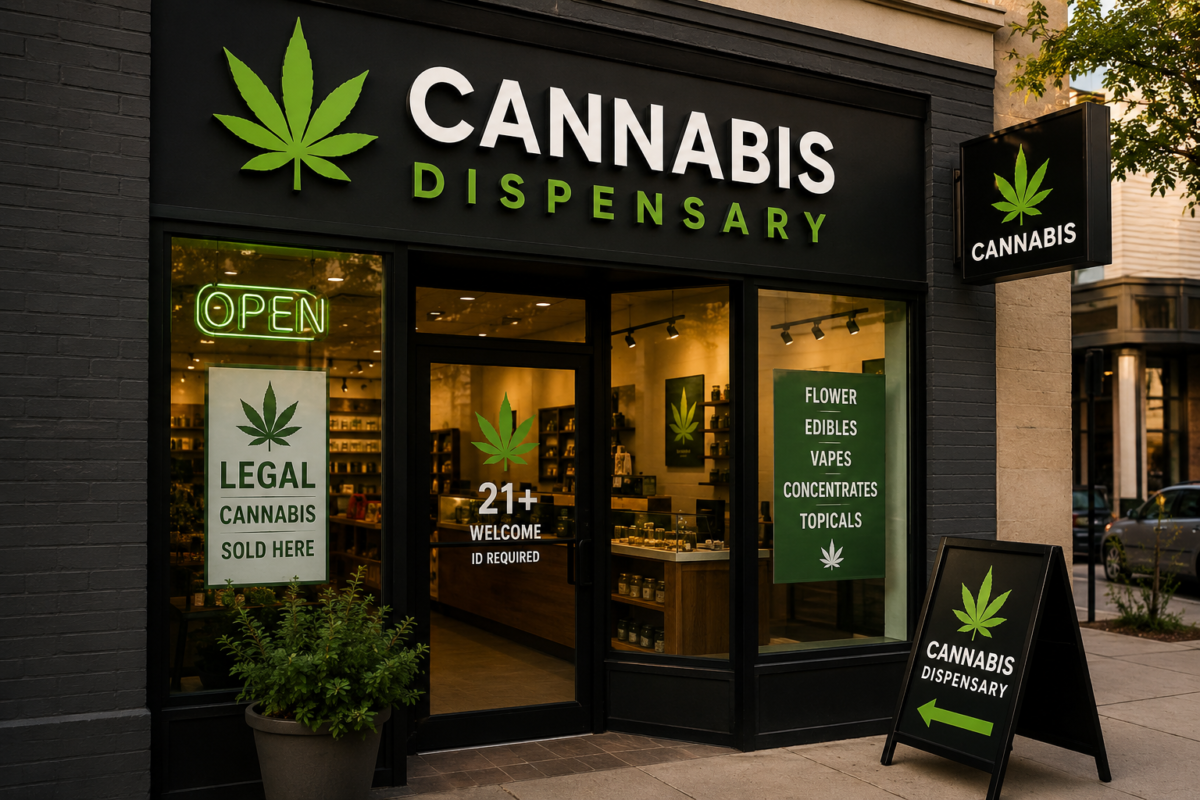
One of the sharpest arguments is that legal cannabis stores may help normalize marijuana use in a way that benefits both legal and illegal sellers. Licensed shops use polished branding, clean storefronts, product menus, loyalty programs, bright packaging, and mainstream advertising. That can make cannabis feel ordinary, modern, and less risky to many adults.
But once cannabis becomes a normal purchase, price and convenience can take over. Critics say legal businesses may spend money introducing customers to cannabis culture, only for some buyers to later choose cheaper illegal sources. That is the backfire angle readers will understand quickly. The legal market may be doing the public-facing work while the underground market keeps winning bargain shoppers.
Rule-Following Dispensaries May Be Getting Squeezed
There is a small-business story hiding inside this debate. Many licensed dispensary owners entered the industry believing legalization would give them a fair shot. They paid for licenses, followed inspections, hired workers, secured storefronts, tested products, and tried to build legitimate companies. Some were drawn in by social equity promises that framed cannabis as a path to opportunity.
Yet those businesses can still lose customers to illegal sellers who do not pay the same costs. That makes the issue feel less like a culture-war argument and more like an unfair competition story. A legal shop can follow every rule and still struggle against an underground seller with lower prices. For many readers, that is where the system starts to look upside down.
Parents May See a Risk the Market Does Not Measure
Parents often hear this debate differently. They are less focused on tax codes and more worried about access, gummies, vapes, stronger products, and cannabis becoming too casual around young people. Legal stores may check IDs, but normalization does not stop at the dispensary. It travels through social media, music, packaging, conversations, and everyday culture.
That does not mean every parent wants to reverse legalization. Many simply want a system that takes youth exposure seriously. The legal weed black market debate adds another concern because illegal products may be untested, mislabeled, or easier for young people to access. If high legal prices push buyers toward unregulated sellers, families may wonder whether legalization improved safety or merely shifted the risks.
Taxpayers May Start Asking Where the Promise Went
Cannabis legalization was also sold as a revenue win. Tax it, regulate it, and use the money for public programs. That message helped make legalization more appealing to voters who may not have cared much about cannabis itself. Schools, youth programs, enforcement, and public health efforts all sound better when a new industry is supposed to help pay for them.

But if legal sales fall short, those promises become harder to defend. Cities and states still need regulation, staffing, enforcement, and oversight. If illegal sellers keep a large share of the market, taxpayers may ask why the system is not delivering what they were told to expect. That is why this story reaches beyond marijuana. It becomes a story about public money, planning, and trust.
The Real Failure May Be the Design
The strongest takeaway is not that legalization automatically failed everywhere. The more interesting argument is that some states may have designed legal cannabis markets badly. High taxes, slow licensing, local restrictions, confusing rules, limited access, and weak enforcement could all help illegal sellers survive. In that case, the black market may not be winning because legalization exists. It may be winning because the legal version is too expensive and complicated.
That angle makes the story more credible and less preachy. Some readers will blame cannabis. Others will blame politicians, taxes, and poor planning. The truth may sit somewhere in the middle. America tried to pull a long-illegal market into the open, but the open market came with costs that illegal sellers never had to carry.
Legal weed was supposed to make the cannabis market safer, cleaner, and easier to control. Instead, critics say the legal weed black market problem shows how quickly a neat political promise can collide with prices, behavior, and weak enforcement. If legal stores keep struggling while illegal sellers remain active, Americans may have to ask a tougher question: Did legalization fail, or did lawmakers build a system the black market was always ready to beat?