9 Foods From Summer Camp in the 1960s That Every Boomer Remembers
Ask anyone who went to summer camp in the 1960s what they remember, and the answers come fast. There was the lake that was always too cold, the cabin that smelled like pine and bug spray, and the counselor who knew every word of every campfire song. But somewhere in that list, almost every time, comes the food.
Camp food was never fancy, and that was half the charm. Cooks had to feed dozens of hungry kids three times a day on a tight budget, so the menu leaned on cheap staples, big pots and anything that could be made over a fire. Some of those dishes have stayed with boomers for sixty years, and a few still show up at family cookouts today.
If you spent a few weeks of your childhood in a mess hall or around a fire ring, see how many of these you can still taste. Here are nine foods from 1960s summer camp that every boomer seems to remember.
1. S’mores Around the Campfire
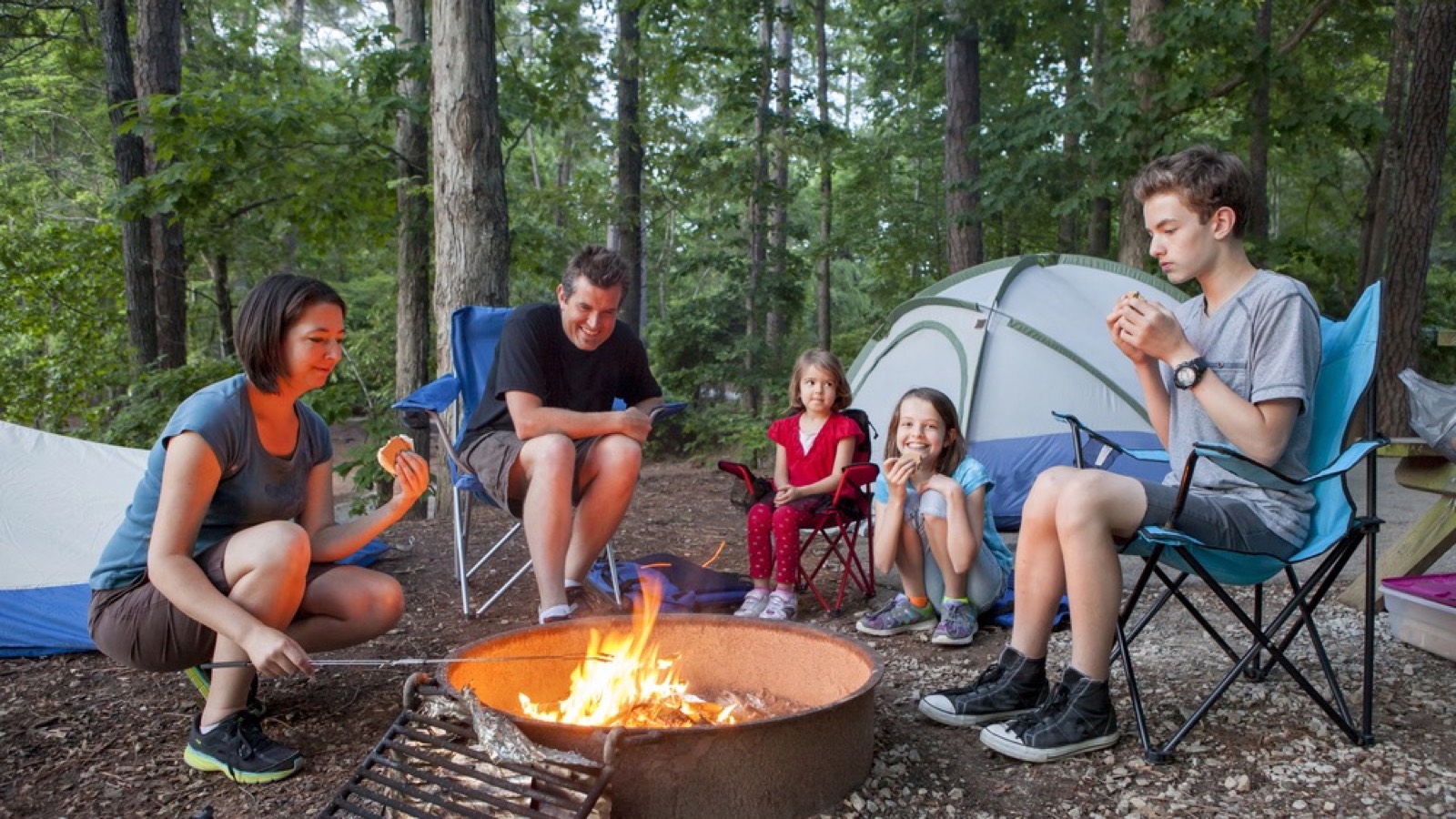
No camp memory is complete without a sticky marshmallow on the end of a stick. The treat has a longer history than most people think, and it has deep roots in scouting. According to National Geographic, the first known recipe ran in a 1925 issue of The Girl Scout Leader magazine, and the treat was first called “some more” before the shorter name stuck.
By the 1960s, s’mores were the reward at the end of a long day. Every camper had a strategy. Some kids toasted their marshmallow slowly to a perfect golden brown, while others shoved it straight into the flames and blew out a flaming black ball. Either way, the chocolate never fully melted, the graham cracker always cracked in half, and nobody cared one bit.
2. Bug Juice in a Plastic Pitcher
Every camp had a drink, and at most camps it was called bug juice. It was a bright red or purple punch made from powdered mix, stirred up by the gallon and poured into plastic cups at every meal. Nobody ever found an actual bug in it, but the name stuck anyway, and campers still use it today.
The powder that made it possible had a humble start. Edwin Perkins created Kool-Aid in Hastings, Nebraska, in 1927, and Nebraska Studies notes the company was sold to General Foods in 1953. By the time boomers were heading off to camp, a few cheap packets and a lot of sugar could keep a whole dining hall in drinks all summer.
3. Peanut Butter and Jelly Sandwiches
When the lunch bell rang before a hike or a canoe trip, there was a good chance a stack of PB&J sandwiches was waiting. Camp cooks loved them because they were cheap, filling and almost impossible to mess up. They also held up well in a knapsack, even if the jelly soaked through the bread by noon.
The sandwich had become an American staple during the war years. The U.S. Army notes that soldiers in World War II made PB&J sandwiches from the bread, peanut butter and jelly in their ration kits, and many of them came home still loving the combination. Their kids, the boomers, grew up on it, and summer camp was where many of them ate more PB&J in one week than they did all year at home.
4. Tang at the Breakfast Table
In the 1960s, Tang felt like the future in a jar. The orange powder was stirred into water and served at breakfast, and kids loved that it was the drink of astronauts. A lot of camps put out pitchers of it alongside the pancakes, and some campers swore it tasted better than real orange juice.
The space story is a bit more complicated than the ads suggested. As Discover Magazine explains, General Foods developed Tang before NASA ever used it, and it went on sale in 1959. Sales were slow until John Glenn took it into orbit in 1962. After that, every kid wanted to drink like an astronaut, even if they were just sitting in a dusty mess hall in Michigan.
5. Sloppy Joes on a Soft Bun
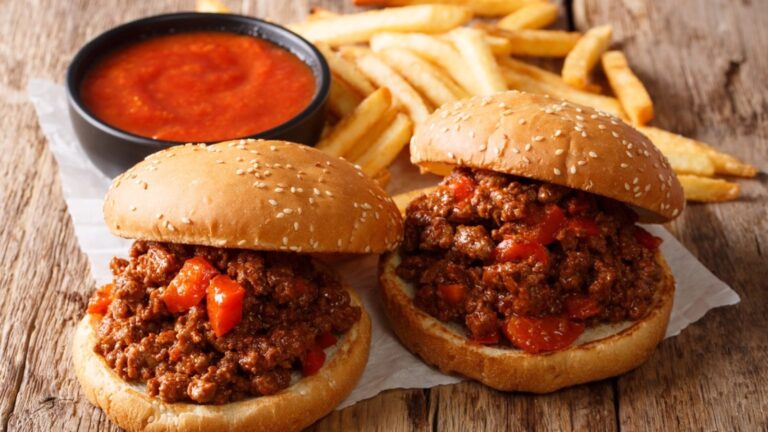
Sloppy joes were a camp cook’s best friend. Ground beef, onions and a sweet tomato sauce could be simmered in one giant pot and scooped onto buns for a hundred kids in minutes. They were messy, they dripped down your arm, and they were usually gone before the counselors sat down.
What made sloppy joe night special was that it felt like a treat. It was the kind of dinner that kids rarely got to eat with their hands at home, and at camp nobody told you to use a fork. Many boomers say the smell of browning beef and ketchup still takes them straight back to a long wooden table and a tin tray.
6. Foil Packet Dinners
Overnight campouts often meant learning to cook your own dinner, and the foil packet was the go-to lesson. Campers would layer a hamburger patty, sliced potatoes, carrots and onions on a sheet of foil, fold it tight and set it right into the hot coals. Some groups called them hobo dinners, and others just called them foil dinners.
The results were never the same twice. One packet might come out perfectly tender, while the next had raw potatoes on top and charcoal on the bottom. That was part of the fun, because everyone compared packets and traded tips. Plenty of families still make them today, and if you’re planning a trip, it helps to know the common camper mistakes before you build your first fire.
7. Banana Boats
If s’mores were the classic, banana boats were the camp counselor’s secret weapon. You took a banana, sliced it open lengthwise without peeling it, stuffed the slit with chocolate chips and mini marshmallows, wrapped it in foil and set it near the coals. A few minutes later, you had a warm, gooey dessert you could eat with a spoon right from the peel.
Banana boats felt a little fancier than s’mores, which is why kids remembered them. They also took patience, something not every eight-year-old had. Many campers learned the hard way that pulling a hot foil packet out of the fire with bare fingers is a mistake you only make once.
8. Jell-O for Dessert
Jell-O was everywhere in the 1960s, and camp was no exception. Big sheet pans of red or green gelatin were cut into squares and served after dinner, sometimes with fruit cocktail set right into it. On a hot July evening, a wobbly square of cold Jell-O felt like the best dessert on earth.
Some camps went further and served it with a dollop of whipped topping or layered it into parfaits for special nights. The colors alone made it fun, and kids loved watching it jiggle on the tray. It’s one of those boomer foods that never fully went away, even if it shows up less often today.
9. Pancakes on a Griddle
Breakfast at camp was usually loud, crowded and early, and pancakes were the star. Cooks poured batter onto huge flat griddles and flipped them by the dozen, then stacked them onto platters with butter and syrup. On the best mornings, there were blueberries picked nearby or a side of crispy bacon.
Pancake breakfasts also became a camp tradition on the last day. Families arriving for pickup were sometimes invited to join in, and the whole dining hall filled with the smell of syrup and coffee. For a lot of boomers, the taste of a slightly burnt camp pancake is tied to the bittersweet feeling of saying goodbye to new friends.
The Taste of Summers Gone By
Most of these foods were simple, cheap and made in huge batches, but that’s exactly why they stuck. They were tied to campfires, cabin friends and long summer days with no school in sight. It’s the same reason so many comfort foods from that era still hold a special place at the table.
So which one takes you back the fastest? Was it the bug juice, the burnt pancakes or the banana boat that scorched your fingers? Share your favorite camp food memory in the comments, and tell us which dish you’d bring back to the mess hall tomorrow.